Durban: Accommodation, Attractions and Practical Planning for Visitors
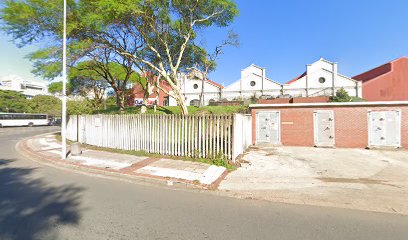
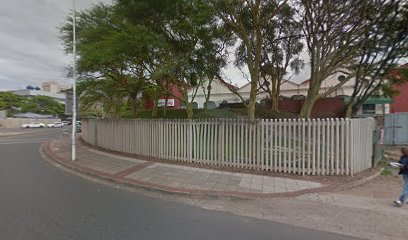
Durban in KwaZulu-Natal offers a warm, subtropical welcome with a mix of laid‑back seaside charm and city city‑buzz. When planning a stay, many visitors choose to base themselves in a few well‑established neighbourhoods, before venturing to the rolling hills and coastal highlights a short drive away. A guest house such as B & B Winsome View provides a friendly, homely baseline from which to explore, while other options range from boutique hotels to self‑catering flats and mid‑range guest houses. The city’s hospitality sector tends to prioritise comfort, easy access to beaches, and convenient transport links, making Durban a practical choice for both short breaks and longer stays.
Durban’s most popular areas to consider are the Berea, which includes leafy streets and a calm, residential vibe close to the harbour and the city’s centre; the Golden Mile and nearby beachfront districts for easy sea access and promenade walks; Umhlanga with its contemporary hotels and upscale dining; and Durban North or Morningside for a more residential feel while staying within reach of popular attractions. If you prefer a lively, central base with quick access to night markets, casual eateries, and cultural venues, the central business district and nearby South Beach areas offer convenient options as well.
When booking accommodation, look for a few key features to ensure a comfortable stay. Ample on‑site parking or easy access to public transport helps, as Durban’s layout often rewards staying within a short ride of major sights rather than walking long distances in heat or rain. A reliable air‑con system is particularly welcome in the warmer months. A good guest house or hotel should offer clean, well‑maintained rooms, a welcoming communal area, adequate security, and clear information about local transport options and day trips. In smaller properties such as B & B Winsome View, a personal touch can be a big benefit: friendly hosts, included breakfast, and small but thoughtful extras can greatly enhance the experience.
Typical amenities to expect include secure parking or easy lift access, complimentary Wi‑Fi, in‑room tea and coffee facilities, and en‑suite bathrooms or well‑appointed shared facilities. Dining options vary; many guest houses include breakfast, and some offer light meals or packed lunches. If you’re planning longer stays, an equiped kitchenette or access to communal cooking areas can be highly convenient. For families or groups, look for family rooms or suites with multiple beds and flexible layouts. Accessibility features may be important if you have specific mobility needs, so check on access ramps, wide doorways, and shower arrangements where relevant.
Transport in Durban is well served by a range of options. The MyCiTi bus network covers several coastal and central routes, while Uber, meter taxis, and car hire are common choices for visitors who prefer door‑to‑door convenience. If you plan to explore beyond the beachfront, renting a car can save time and open up the Valley of a Thousand Hills, inland reserves, and outlying towns. For train travellers, some areas offer easy access to local railway stations for day trips. Always confirm the best way to reach your accommodation from the airport or railway stations, and consider requesting a map or personalised directions from your host or hotel reception.
The best time to visit Durban is during the warmer months, when the beaches are most inviting. The city experiences a humid subtropical climate, with hot summers and mild winters. If you prefer fewer crowds, shoulder seasons can be appealing, while the months of December to February are peak season and can be busier. Coastal weather can be changeable; pack a light waterproof layer for occasional showers and a sun hat for bright days on the shore. If you’re interested in hiking or nature escapes, periods outside peak heat can be more comfortable for outdoor activities, especially in the surrounding hills and reserves.
Attractions around Durban are varied and generally easy to reach from most accommodation bases. Along the coast you’ll find long beaches with promenades suitable for strolls at any time of day, as well as markets, cafés, and casual eateries that capture the city’s relaxed spirit. Inland, you can plan visits to botanical gardens, cultural institutions, and wildlife‑friendly reserves. Practical tips include budgeting for a couple of longer day trips, keeping reef‑safe sunscreen handy, and staying hydrated in the warm coastal climate. In terms of dining, you’ll encounter a spectrum of venues from casual beachfront cafés to family‑run diners and contemporary bistros. Many establishments pride themselves on casual, generous portions and an emphasis on fresh, local produce. When booking, it’s sensible to check whether a venue has outdoor seating to enjoy Durban’s temperate evenings.
- Areas to base your stay: Berea, Golden Mile/Beachfront, Umhlanga, Durban North, Morningside.
- What to look for in a booking: comfortable beds, reliable Wi‑Fi, security, easy transport links, and clear information about local excursions.
- Transport tips: consider proximity to MyCiTi routes or ride‑hailing options, plus access to parking if you intend to drive.
- Best time to visit: warm, sunny months for beaches; consider shoulder seasons for lower crowds.
- Practical planning: plan day trips to hills and reserves, pack sun protection, and stay hydrated.
Durban’s hospitality and its nearby attractions offer a relaxed but rewarding experience for travellers. Whether you’re drawn by the prospect of long beach walks, mouth‑watering South African cuisine, or quiet days in a comfortable guest house like B & B Winsome View, a well‑chosen base will help you make the most of your KwaZulu‑Natal visit. For more ideas and practical planning, consider visiting official tourism resources or local accommodation websites for the latest details and suggestions.