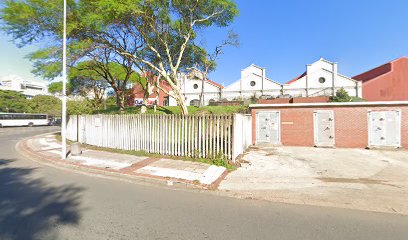
Durban: Where to Stay and What to Do in KwaZulu-Natal’s Coastal City
Durban sits on the east coast of South Africa, blending subtropical climate, golden beaches and a lively mix of cultures. For travellers seeking a comfortable base from which to explore, there are guesthouses, boutique hotels, coastal lodges and well-appointed B&Bs scattered across the city and its neighbourhoods. Planning a stay in Durban means considering where you want to be, what you want to experience, and how easy it is to get around without a car.
Locations to consider include the central and foreshore area, which offers convenient access to the beachfront promenade, restaurants, and a compact urban feel. The wider coastal stretch is lined with guesthouses and boutique stays that focus on beach access and a relaxed vibe. For a quieter scene with tree-lined streets, suburbs a short drive inland offer guesthouses and small hotels with a more residential character. If you’re after a touch of luxury and panoramic views, elevated properties along the coast or in trendy districts can provide excellent vantage points for sunsets over the Indian Ocean.
When choosing accommodation, think about the typical amenities you value most. A reliable breakfast option, free Wi‑Fi, on-site parking, and 24‑hour reception can ease day-to-day logistics. If you’re seeking guest experiences, some properties offer personalised recommendations for local eateries, markets and cultural activities. Look for well‑maintained rooms, clean en-suite facilities, adequate storage, and clear access to the street or parking area. For those travelling with family or a group, consider properties that offer family suites or multiple rooms, along with shared living spaces or kitchens.
Transport is a practical consideration in Durban. The city is served by taxis, ride‑hailing services and bus routes, with several areas connected by pedestrian-friendly streets along the coast. If you plan to explore beyond the beachfront, a car can be convenient, though many attractions are reachable via a short drive or organised tours. If you prefer not to drive, look for accommodation close to main transport links or within walkable distance of beaches, markets and dining precincts. Some guesthouses arrange airport transfers or offer guidance on public transport options to make your stay smoother.
Best time to visit Durban depends on your preferences. The city enjoys warm, humid summers with afternoon thunder showers and mild, pleasant winters. For beach days and outdoor activities, the dry season and shoulder months offer more comfortable conditions. If you enjoy street markets, live music and seasonal events, check local calendars for cultural happenings that can enrich a stay. Pack layers for the evenings and a light rain shell for sudden showers in the shoulder seasons. A sunhat, sunscreen and comfortable walking shoes will serve you well during days spent exploring the beachfront promenade, botanical gardens, and city markets.
Accommodation types you may encounter include:
- Guest houses and B&Bs with personal hosts who can share local tips and help tailor your itinerary.
- Small boutique hotels offering stylish rooms and enhanced service in convenient districts.
- Self-contained units or lodges with kitchen facilities, ideal for longer stays or families.
- Mid-range hotels that balance comfort, accessibility and value in popular neighbourhoods.
What to look for when booking:
- Safety and security features, such as secure entrances, well-lit surroundings and reliable reception.
- Proximity to the areas you plan to visit, whether it’s the beachfront, markets, or cultural sites.
- Guest reviews focusing on cleanliness, hospitality, and accuracy of room descriptions.
- Clear information about breakfast options, parking availability, and Wi‑Fi reliability.
- Cancellation policies and any seasonal pricing that may apply during peak periods.
Typical amenities that enhance a Durban stay include en-suite bathrooms, air‑conditioning or fans, tea and coffee facilities, and access to a communal lounge or outdoor spaces. Some properties may offer pool access or garden areas, which are especially welcome in the warm climate. If you’re particular about dining, verify whether breakfast is included and whether there are on-site dinner options or recommended local eateries within walking distance. For families or groups, look for multi-room configurations, child-friendly amenities, and safe play spaces.
Attractions and experiences to consider during a Durban stay span nature, culture and food. The coastline offers opportunities for swims, walks along the promenade, and waterside recreation. Inland, botanical gardens and nature reserves provide quieter escapes, while cultural precincts showcase a vibrant mix of arts, crafts and performances. Durban’s dining scene ranges from casual seaside spots to stylish eateries that highlight local ingredients and flavours. When planning daily activities, consider streaming itineraries that balance time outdoors with opportunities to rest during the warmer parts of the day.
Practical tips to make the most of your visit:
- Arrive with a rough plan but stay flexible to enjoy spontaneous markets, street food and live performances.
- Book accommodation with easy access to reliable transport links or short walks to dining hubs.
- Respect local customs and engage with neighbourhoods in a considerate way, especially in residential areas.
- Budget for moderate dining experiences and occasional inter-city day trips to nearby coastal towns or nature reserves.
- Consult your host or reception for updated recommendations on safe areas to explore after dark.
If you’re considering a stay with character and personal service, a Durban guest house such as African Ocean Guest House (where appropriate to reference) can offer a cosy base from which to discover the city’s warmth and its coastal beauty. For further planning, you can explore official Durban tourism resources and reputable travel guides online to tailor an itinerary that matches your interests, whether that be long seaside walks, cultural encounters, or food-driven explorations. Durban rewards visitors who blend relaxation with discovery, making it possible to return home with a renewed sense of South Africa’s eastern coastline.