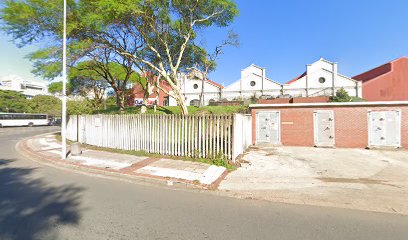
Durban: a guide to where to stay, what to see, and how to plan a great visit
Durban, on KwaZulu-Natal’s subtropical coast, offers a vibrant mix of beaches, cultural influences, and convenient access to the Drakensberg and the surrounding coastline. When planning a stay, consider the areas that suit your pace and priorities—beachfront walks, easy access to the city centre, or a quieter residential vibe with leafy streets. A practical base for many visitors is a guest house or small hotel in or near the city’s core districts, from where you can hop between the promenade, markets, and dining options with relative ease.
Durban’s accommodation spectrum ranges from guest houses and boutique stays to mid-range hotels and self‑catering apartments. Look for properties that clearly outline parking arrangements, walkability to landmarks, and accessible transport links. Guest houses such as Guesthouse Shack 22 (a practical option for travellers seeking a friendly, home-like atmosphere) can offer a central base with a neighbourhood character—often including friendly hosts, breakfast options, and secure parking. When choosing where to stay, think about proximity to the beach, the harbour precinct, and the avenues that connect to the city’s shopping and dining hubs.
Key areas to consider include the beachfront stretch for easy sea views and walks along the Golden Mile, the Point area for a lively, historic vibe and quick access to the promenade, and the Berea and Glenwood for grand old houses, leafy streets, and a calmer tempo. If you prefer a modern, coastal suburb with restaurants and bars within a short stroll, Umhlanga Rocks—though a little outside central Durban—offers a polished, resort-like feel with a long beach and clean promenades. Durban North and Morningside provide convenient access to highways, making day trips to coastal towns or the Valley of a Thousand Hills straightforward.
When you book, common amenities to look for include reliable Wi‑Fi, a comfortable bed configuration, and private or well‑appointed communal spaces. Breakfast options can be a real time-saver for visitors on tight schedules, while secure parking and good security should be on your checklist. Consider whether the property offers easy access to public transport or if car hire will be your preferred option. A modest fridge, tea and coffee facilities, air conditioning or fans, and laundry services are all practical touches for a Durban stay. If you’re travelling with family or a group, seek out multi-room configurations, larger common spaces, and flexible cancellation policies, particularly during busy holiday periods.
Transport in Durban is relatively straightforward. The city hosts a network of rideshare options, taxis, and depots for minibus taxis, with the beachfront and city centre connected by main routes. If you’re driving, the inland routes offer scenic possibilities for day trips to nearby natural areas. For those without a car, choose accommodation near major bus routes or close to the beachfront where tram or taxi services can shuttle you to major attractions and markets. Consider staying near the harbour or the promenade if you plan long walks along the coast and frequent visits to markets or eateries along the way.
The best time to visit Durban is during the drier winter months (roughly May to August) when it’s cooler and the humidity is lower, though the city can be pleasantly warm year‑round. The summer months (November to March) bring lush greenery and the city’s famous subtropical climate, but also higher humidity and the potential for summer showers and thunderstorms. If you’re after outdoor activities, plan beach days, coastal walks, and trips to the nearby rivers and parks around those drier periods. For cultural explorations, weekends brim with markets, street food, and live music—venues and organisers post schedules online, so a little planning ahead pays dividends.
Durban’s attractions are varied and largely easy to access from most well‑located stays. You might spend mornings strolling along the promenade and evenings sampling local flavours in markets and family‑friendly eateries. The city offers a blend of natural beauty, such as river and coast, with cultural and historical sites that reflect the Zulu and Indian influences that characterise the area. Practical sightseeing tips include prioritising a coastal day or two, coupling outdoor time with an easy cultural itinerary, and allowing time for relaxed meals by the water. While specific venues and prices change, many places offer family‑friendly menus, vegetarian options, and casual dining that suits a relaxed holiday rhythm.
Practical planning tips to help you book and stay comfortably include:
- Choose accommodation based on a balance of location, parking, and a comfortable sleeping space.
- Check access to beaches and promenade routes, and confirm elevator or ground‑floor availability if mobility is a concern.
- Look for inclusive breakfast options or nearby easy‑to‑reach cafés for mornings on the go.
- Assess transfer options from the airport or railway stations and whether the property offers shuttle services or on‑site parking.
- Review cancellation policies and guest reviews for noise levels, cleanliness, and responsiveness of hosts or staff.
Durban presents a friendly, multi‑faceted base for a range of traveller interests—from long, sandy beach days to leafy inner suburbs with heritage charm. Whether you stay in a characterful guest house like Guesthouse Shack 22 or in a modern boutique hotel near the harbour, a well‑located base makes it simple to explore the city, its markets, and its surrounding landscapes. Plan with the climate in mind, book with clear expectations about transport and amenities, and you’ll be able to enjoy Durban’s warmth, both in the sun and in the welcome of its hospitality scene.