Cape Town: Accommodation, Attractions and Practical Planning for a Memorable Stay
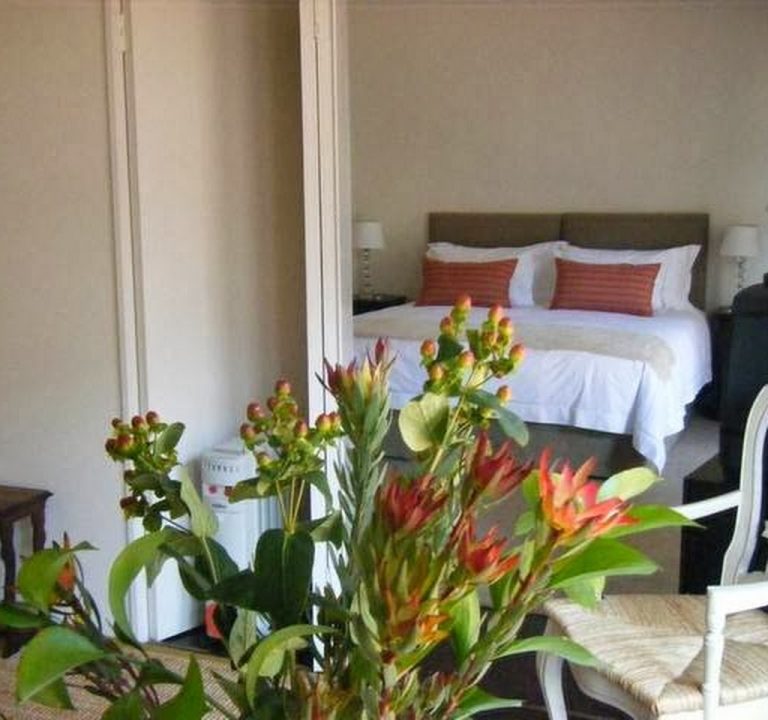
South Africa’s most iconic city offers a vibrant mix of landscapes, vibrant neighbourhoods and a warm hospitality scene. When planning a stay in Cape Town, think about the range of areas that suit different rhythms—from the sea-salted mornings on the Atlantic Seaboard to the leafy calm of Constantia Valley. A cosy cottage such as Southey Cottage provides a gentle introduction to city life while still placing you within easy reach of major sights. Whether you favour boutique guesthouses, stylish hotels, or self-catering options, you’ll find a comfortable base before you explore the region’s mountains, shorelines and cultural offerings.
Areas to consider
The City Bowl and the central foreshore put you within walking distance of museums, theatres and a wealth of dining options. If you relish coastal scenery and sunset sails, the Atlantic Seaboard is ideal, with dramatic views, long beaches and easy access to Table Mountain’s cable car. For a more relaxed, wine-country ambience, Constantia and nearby Hout Bay offer green hills, wine estates and scenic drives. For families and those seeking a quieter stay, Constantia’s leafy streets or a characterful cottage in areas like Southey Cottage can provide a peaceful retreat while still being a short drive from city sights. If you’re aiming for a beach holiday and lively nightlife, Camps Bay and Bloubergstrand are worth considering, though they book up quickly in peak season.
Booking wisely: what to look for
When choosing accommodation, consider the proximity to transport links, ease of access to attractions and the availability of practical amenities. Look for options that offer self-catering facilities if you’d like flexibility, or consider B&Bs and guesthouses that include breakfast to simplify mornings. Check for reliable air conditioning or heating, given Cape Town’s changing microclimates, and ensure good Wi‑Fi if you need to work or stay in touch. A well-equipped kitchenette, laundry facilities, and secure parking can make a big difference for longer stays. Sympathetic, well-maintained interiors, clear cleanliness standards and responsive hosts or managers are worth prioritising in any property type.
Typical amenities and transport tips
In many Cape Town accommodations you’ll find comfortable beds, modern en-suite bathrooms, a well-equipped kitchenette or kitchen space, access to outdoor spaces such as courtyards or balconies, and, in many boutique properties, a stylish common area. For transport, the city’s MyCiTi bus network offers a straightforward way to navigate popular routes, while Uber and other ride-hailing apps are widely used. If you plan day trips to Cape Point, the Cape Winelands, or Cape Town’s surrounding coast, a car rental can provide the greatest flexibility. Remember that parking can be a consideration in central areas, so look for properties with secure on-site parking or easy street access if you’ll be exploring by car.
The best time to visit
Cape Town’s seasons offer distinct experiences. Spring (September to November) and autumn (March to May) are often favoured for mild weather, blossoming gardens and fewer crowds. Summer (December to February) brings warm days ideal for beaches and outdoor activities, but popular spots can be busier. Winter (June to August) is cooler and occasionally rainy, yet this season reveals a lush, emerald landscape and fewer visitors in some areas. Travellers should plan for water-related activities to be seasonal and check local forecasts ahead of trips to the coast or the Cape Point region.
What to add to your itinerary
Beyond Table Mountain’s iconic views, consider a day’s wander through Cape Town’s historic districts, parks and markets. Coastal paths and beaches are complemented by harbour cruises and scenic drives along the Atlantic coast. Wine lovers may want a day trip to the nearby Winelands, with chance to visit a selection of estates and enjoy tastings in peaceful countryside. For diners, Cape Town’s restaurant scene spans everything from casual bistros to refined eateries focusing on coastal and farm-to-table ingredients. While this article does not list exact names or prices, you’ll find many establishments offering seasonal menus and local flavours, often with terraces that overlook sea or mountain vistas.
- Research neighbourhoods in relation to your planned activities and pace
- Check cancellation policies and local advisories prior to booking
- Prepare a flexible itinerary to balance iconic sights with rest periods
- Book in advance for popular periods, especially around school holidays and peak summer
Practical tips for a smooth stay
Book accommodation with clear access to transport options and an easy route to planned day trips. Read recent guest reviews for insight into quiet hours, cleanliness and host responsiveness. If booking Southey Cottage or a similar cottage, check how close you are to essential amenities, and whether self-catering provisions suit your plans. Always have a backup plan for weather changes and be mindful of safety in busy areas. Cape Town’s natural beauty is a daily invitation to explore, but a measured approach—combining comfortable lodging with thoughtful planning—will ensure your visit is both enjoyable and restorative. For more information about Cape Town’s tourism offerings and practical planning, you can visit official tourism pages and local guides at reputable sites such as capetown.travel.