Cape Town: Accommodation, Attractions and Planning Your Stay
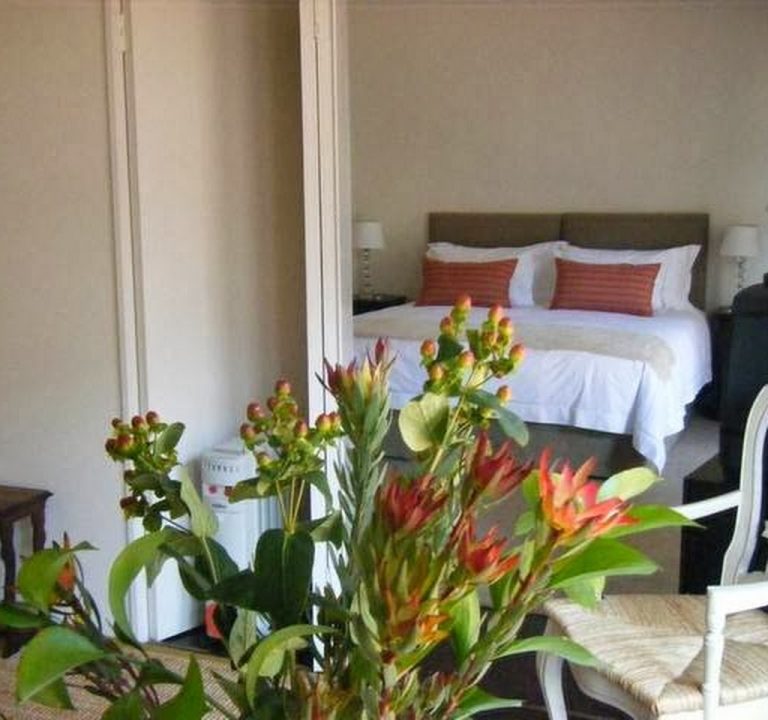
Cape Town offers a tapestry of places to stay, from stylish self‑catering apartments to boutique guesthouses and family‑run lodges. When planning a visit, think about which neighbourhood aligns with your interests, how you want to move around the city, and what kind of pace you prefer for your days. For travellers seeking flexibility and a home‑from‑home feel, self‑catering options such as Glencoy self‑catering accommodation provide spaces with kitchen facilities, living areas and private balconies that let you shape mornings and evenings to your own rhythm.
Neighbourhoods play a central role in the Cape Town experience. The City Bowl offers convenient access to central sights, museums, markets and a vibrant dining scene. The Atlantic Seaboard, including areas near the beaches, pairs ocean views with a cosmopolitan atmosphere and easy access to hiking trails and scenic drives. Constantia and the southern suburbs provide leafy, scenic streets, wine routes and coffee spots, ideal for relaxed day trips. For proximity to nature and good value family stays, the Atlantic coast and southern suburbs often offer wide, leafy streets, secure parking and convenience for exploring Table Mountain National Park.
When choosing a stay, look for a few practical features. Self‑catering properties should have well‑equipped kitchens, clear safety information, reliable wi‑fi, and easy access to public transport or parking. If you plan to explore rather than rely on taxis, consider places with off‑street parking or easy access to major bus routes. The best options often combine character with useful amenities: comfortable beds, adequate heating or air‑conditioning, good lighting for reading, and a practical workspace if you need to catch up on emails during a trip.
Transport in Cape Town is well served by buses, de facto ride‑sharing options, and car hire for day trips beyond the city core. The MyCiTi bus network covers many popular routes, while parts of the city are best explored on foot or by ride‑hailing services. If you’re staying near the V&A Waterfront, you’ll be within a short stroll of ferries, markets and harbour views. For trips to the Cape Winelands, Camps Bay and Clifton beaches, or the scenic drives along Chapman's Peak, a hire car can be a practical choice. When planning your day, allow extra time for traffic on the Atlantic seaboard and for parking in popular districts during peak hours.
The best time to visit Cape Town depends on what you want from your trip. Spring (September to November) and autumn (March to May) offer milder weather with fewer crowds and beautiful natural light for outdoor activities. Summer (December to February) brings warm days ideal for beaches and outdoor dining, but it is the peak tourist season, so book well in advance. Winter (June to August) is cooler and wetter, yet the city’s indoor attractions, markets and wine routes remain appealing, especially for visitors seeking a quieter pace.
Top attractions and experiences in general terms include cable‑car access to Table Mountain for panoramic views, a visit to Robben Island for insights into South Africa’s history, and time at the V&A Waterfront with its shops and eateries. Nature lovers can stroll through Kirstenbosch National Botanical Garden, explore coastal reserves and enjoy scenic drives along the Atlantic coast. Kayaking, beaches and hiking trails offer active options, while museum spaces, galleries and local markets provide cultural discoveries. For dining, Cape Town’s restaurant scene ranges from informal eateries with local flavours to refined dining rooms that showcase fresh seafood and farm‑to‑table produce. When planning, it’s sensible to check current opening times and any reservation prerequisites, especially in peak periods.
Here are a few practical tips to help you plan a smooth stay:
- Book accommodation with clear cancellation terms and a transparent cleaning schedule, particularly for longer visits.
- Check whether the property offers self‑catering facilities, laundry access, and secure parking if you will be driving.
- Consider safety and proximity to your planned activities; choose areas convenient for your must‑see sights while keeping practical travel times in mind.
- Ask hosts or property managers for local tips on markets, sunset viewpoints, and family‑friendly attractions away from the main tourist routes.
- Pack adaptable layers for varied weather, and plan for both outdoor days and indoor relaxation, especially if travelling with children or older travellers.
Whether you are drawn to the magnetic scenery, the cosmopolitan dining scene, or the easy access to nature, Cape Town supports a range of stays that fit different budgets and preferences. Start by identifying your preferred neighbourhood, verify the essentials in the listing, and map out a rough itinerary that balances iconic must‑see sights with slower days to enjoy a café, a walk along the coastline, or a green‑belt trail. With thoughtful preparation, your Cape Town visit can feel like a well‑paced holiday rather than a hurried itinerary.