Staying and Exploring Cape Town: Accommodation, Attractions, and Practical Tips
Cape Town sits at the southern tip of Africa, offering a mix of coastal beauty, mountain scenery and vibrant city life. When planning a stay, think about balance between convenient access to sights, neighbourhood character and value for money. From historic lodges and boutique BnBs to self-contained apartments, the choice largely comes down to location, amenities and the kind of pace you want for your trip.
Neighbourhoods to consider include the Atlantic Seaboard for ocean views, families and easy access to beaches; the City Bowl for a central, walkable base close to museums, markets and night-life; and the Southern Suburbs for quieter streets, lush gardens and close proximity to Kirstenbosch and Constantia wine estates. For a more authentic, less touristy experience, look to characterful lodges or guesthouses in areas such as Green Point, Gardens or even the historic Bo-Kaap with its colourful houses and steep lanes. If you’re renting a self-catering unit, a compact apartment in a well-connected area can be a smart option for frequent day trips along the Peninsula and beyond.
When booking, clarity on transport and parking is essential. Cape Town’s public transport has improved, but many visitors rely on a mix of Uber or local ride-hailing apps, booked transfers for day trips, and car hire for greater flexibility. Check whether your accommodation offers secure parking or parking options nearby. If you prefer a car-free stay, prioritise locations near MyCiTi bus stops or major tram or ferry routes, and choose properties with ground-floor access or elevator if needed.
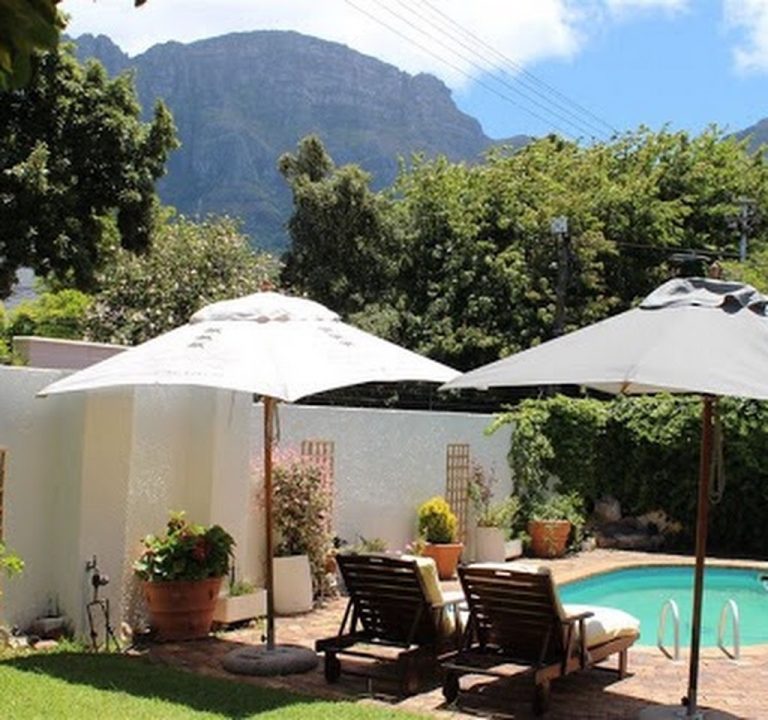
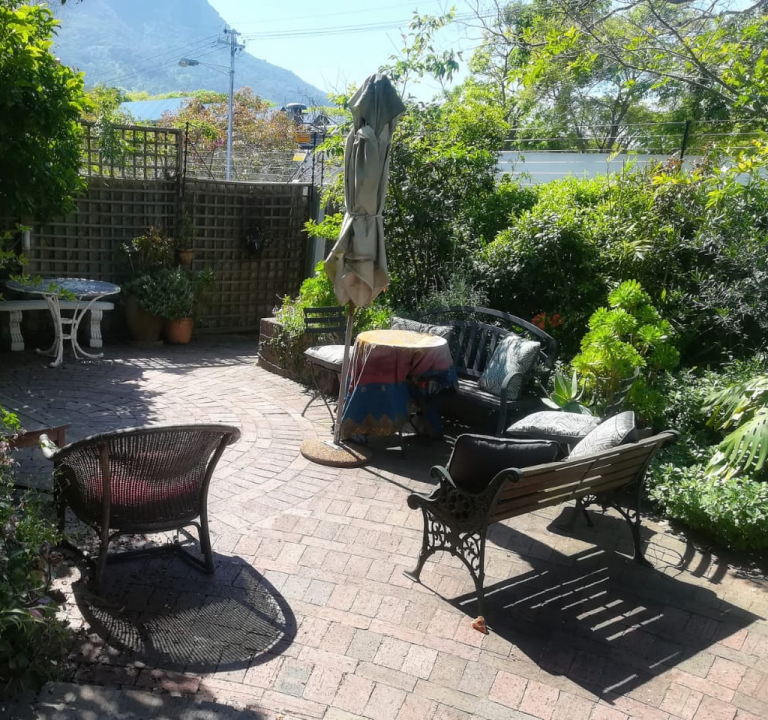
Typical amenities to look for include reliable Wi‑Fi, comfortable bedding, climate control for the coastal climate, and well-equipped kitchens or kitchenettes if you plan to cook. A thoughtful host will provide clean towels, hairdryers, and a well-stocked information folder with practical tips on public transport, local markets, and top day trips. Some smaller lodges or BnBs may offer shared spaces such as a guest lounge, a sunny verandah, or a garden for relaxing after a day of sightseeing. For families or longer stays, consider properties with a washer-dryer, a larger living area, or access to a pool or outdoor seating area.
Best time to visit Cape Town depends on what you want from your trip. The summer months (December to February) offer warm weather, ideal for beaches and outdoor activities, but can be busy. Shoulder seasons like spring (September to November) and autumn (March to May) often provide pleasant temperatures, fewer crowds, and excellent conditions for hiking in Cape Town’s surrounding mountains. Winter (June to August) brings cooler, wetter weather but can be a good time to explore indoor attractions, markets and the city’s restaurant scene, often with fewer visitors.
Top experiences in the area typically include a cable-car ride up to a dramatic coastal viewpoint, a visit to a world-renowned wine region nearby with scenic estates, and explorations of the Cape Peninsula along a route that includes dramatic coastal scenery and wildlife experiences. In the city itself, museums, galleries, markets and waterfront precincts offer a blend of culture and maritime heritage. Outdoor enthusiasts can plan hikes along mountain trails, coastal paths, or protected nature reserves. For families, wildlife experiences, penguin viewing, and kid-friendly museums provide engaging, educational activities. Dining-wise, Cape Town’s restaurant scene ranges from casual eateries with fresh seafood to fine dining with Cape Malay influences and modern fusion concepts. A good approach is to map a few “anchor” spots—one afternoon at the waterfront, one morning on the mountain, and one day in a nearby wine region or nature reserve—and then fill in with local markets, cafes and scenic stops along the way.
Practical tips for a smooth stay:
- Plan to stay at least three to four nights to balance city sights with day trips to the Cape Peninsula, the Winelands and the Cape Flats nature reserves.
- Book accommodation with flexible cancellation and clear information on check-in and check-out, especially if your plans may shift due to weather or travel conditions.
- Pack layers for changing weather and a light rain jacket, even in summer, as coastal winds can be breezy.
- Bring a map or offline navigation on your phone for areas with limited mobile signal, particularly along the coast or in parkland.
- Respect local etiquette and safety guidelines, stay in well-lit areas at night, and keep valuables discreet in busy districts.
- Check if your lodging can arrange airport transfers or curated day tours; some hosts offer tips on safe, scenic routes and hidden gems away from the main tourist routes.
For those seeking accommodation with a distinct character, lodges and guesthouses such as Farthings Cottage can provide a sense of place, often set within tranquil streets while still being a short drive from the city’s major sights. When researching, read recent guest reviews to gauge consistency in Wi‑Fi quality, cleanliness and the local knowledge hosts offer about transport and must-visit sites. Trusted official tourism resources and local travel guides can help you plan an efficient route and discover lesser-known viewpoints and eateries that capture the spirit of Cape Town.
In sum, Cape Town rewards thoughtful planning: choose a neighbourhood that fits your pace, confirm transport options, and build flexibility into your sightseeing. With careful selection of a well-equipped base and a balanced plan of outdoor adventures, museum visits and dining experiences, you can enjoy a memorable stay that highlights the city’s natural beauty and vibrant culture. For more information and ideas, explore official tourism sites and reputable travel guides that focus on contemporary Cape Town experiences.