Staying in Cape Town: where to stay and what to do
Cape Town in the Western Cape is a city of remarkable contrasts, where beaches, mountains, vineyards and vibrant neighbourhoods come together to create a memorable stay. When planning a visit, choosing the right area for your accommodation can make a substantial difference to how you experience the city. From stylish urban pads in the City Bowl to relaxed coastal retreats along the Atlantic Seaboard, there are options to suit a range of styles and budgets.
Beginnings in Cape Town often start with the neighbourhoods. The City Bowl and De Waterkant offer convenient access to restaurants, markets and nightlife, with compact guesthouses and boutique hotels that place you within walking distance of attractions and public transport. The Atlantic Seaboard, including areas like Camps Bay and Clifton, provides a stunning seaside setting with sea views and easy access to long sandy beaches. Constantia and South Peninsula offer greener, quieter alternatives that are perfect for those seeking golf courses, wine estates and mountain trails just beyond the city bustle. For a more traditional, family-friendly experience, stay near Green Point or the V&A Waterfront, where you’ll find well-run self‑catering options and serviced apartments.
When booking, look for properties that clearly describe what you’ll get. Cape Town experiences can be highly dependent on location, so consider the following factors:
- Proximity to your planned activities (Table Mountain, Kirstenbosch, robben Island tours, or the V&A Waterfront).
- Access to reliable transport or on-site parking if you plan to hire a car.
- Availability of self‑catering facilities if you prefer cooking some meals.
- Well‑insulated rooms and climate control for comfort in varying weather.
- Safety features and guest reviews that reflect the property’s atmosphere and responsiveness.
Typical amenities in sturdy accommodation options range from well-equipped kitchens and common lounges to access to a laundry, secure parking, and on-site or nearby dining options. Many self‑catering and guesthouse properties in Cape Town offer weekly or even daily housekeeping, high-speed Wi‑Fi, and flexible check-in arrangements to suit travellers arriving at different times of day. If you need additional conveniences, check whether the listing notes a pool, braai facilities (barbecue), or outdoor spaces for enjoying the pleasant Cape Town climate.
Public transport and getting around are practical considerations. The city has a growing network of buses and ride-hailing services, but routes can be limited in some suburban areas. If you plan to explore multiple neighbourhoods or venture to the Cape Peninsula, a car can be advantageous. For shorter stays, staying within walking distance of cafés, markets and major sights can reduce travel time and allow more spontaneous exploration.
The best time to visit Cape Town blends weather, daylight and crowd considerations. Spring (September to November) and autumn (March to May) offer mild temperatures and lower crowds, making it a pleasant time for outdoor activities and winery visits. Summer (December to February) has longer days and warmer seas, ideal for beaches and coastal hikes, though popular spots can feel busy. Winter (June to August) is cooler and wetter, yet some indoor activities and museums can provide a warm, cultural escape. Plan ahead for peak holiday periods, and always check the local weather forecast before setting out for outdoor excursions.
To help you balance activity with rest, here are some practical tips for a smooth Cape Town stay:
- Book accommodation with clear cancellation policies and recently updated guest reviews.
- Budget extra time for travel between sights, as roads and traffic can vary with the season.
- Consider a mix of experiences: one or two nights in a city-centre base, plus a couple of days in a more relaxed, nature-forward area.
- Pack layers and sun protection; coastal weather can be changeable, and strong winds are common.
- When dining out, be open to a range of eateries—from casual markets and bistros to fine dining establishments that showcase local flavours.
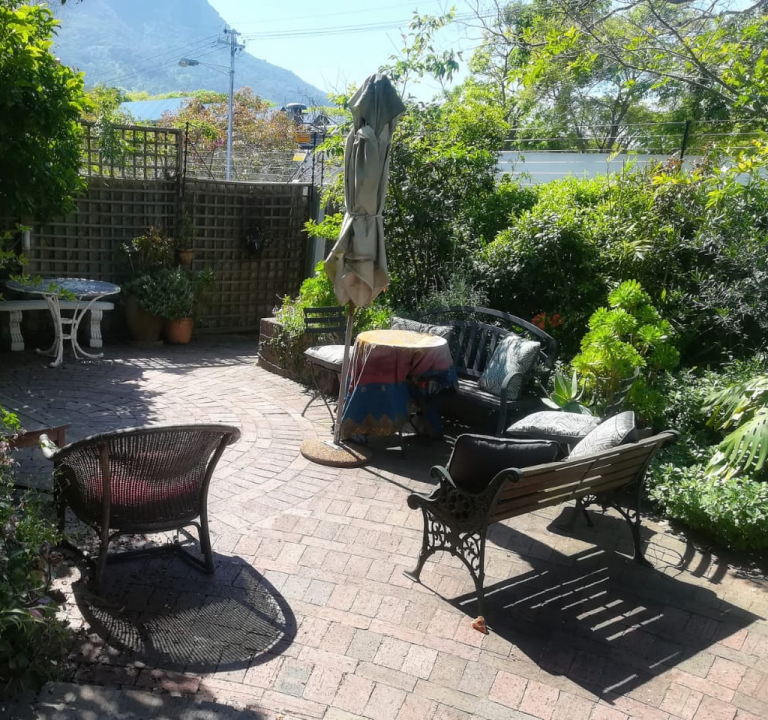
As a practical option for travellers seeking self‑contained comfort, Park West Self Catering in the area offers indoor lodging that can suit a relaxed city stay. For more information, you can visit the property’s official website at Park West Self Catering.
Beyond the accommodation, Cape Town’s attractions and dining scene are designed to complement a restful base. Natural wonders like a city‑built cable car ride or walks with panoramic views are commonly central to itineraries. Cultural and historical tours, markets, and restaurant clusters offer opportunities to taste local produce, embark on scenic drives along the coast, and discover the surrounding winelands. While specific venues and their offerings may evolve, the overall experience of Cape Town tends to blend outdoor adventure with cosmopolitan charm, ensuring that a well-planned stay feels rewarding from dawn until dusk.