Cape Town: An Alpine-Coastal City to Base Your Stay From a Comfort-First Guesthouse
Cape Town blends dramatic landscapes with a rich tapestry of culture, cuisine and easy access to nature. When planning a visit, choosing a comfortable base can transform how you experience the city. A guesthouse or boutique stay can offer a more personal, intimate atmosphere than larger hotels, while still providing a thoughtful range of amenities and local insights. The key is to align your choice with your itinerary, preferred neighbourhood atmosphere, and how you like to move around the city.
Neighbourhoods to consider include the Atlantic Seaboard for vantage points over the ocean, the central city for eateries, markets and cultural sites, and the colourful precincts of the southern suburbs for leafy streets and easy access to the wine country. Each area has its own pace and character, so think about what you want from mornings (sunrise walks, coffee stops, beaches) and afternoons (hikes, museums, harbour views, shopping).
Booking a guesthouse or boutique stay in Cape Town often means prioritising comfort, convenience and a personalised touch. Look for hosts or managers who can provide tailored tips—where to catch a sunset, the best short walks with city views, or a reliable route to popular attractions. It’s common for guesthouses to offer inclusive breakfasts, which can be a practical way to start busy days, and many provide courteous, knowledgeable front-of-house service that can help you plan day trips or restaurant reservations.
When searching for a place to stay, consider these practical factors to refine your options:
- Proximity to the sights you want to visit and easy access to transport links, such as MyCiTY buses, taxi services, or ride-hailing apps.
- Bedroom and bathroom comfort, noise levels, and the availability of air conditioning or heating for seasonal comfort.
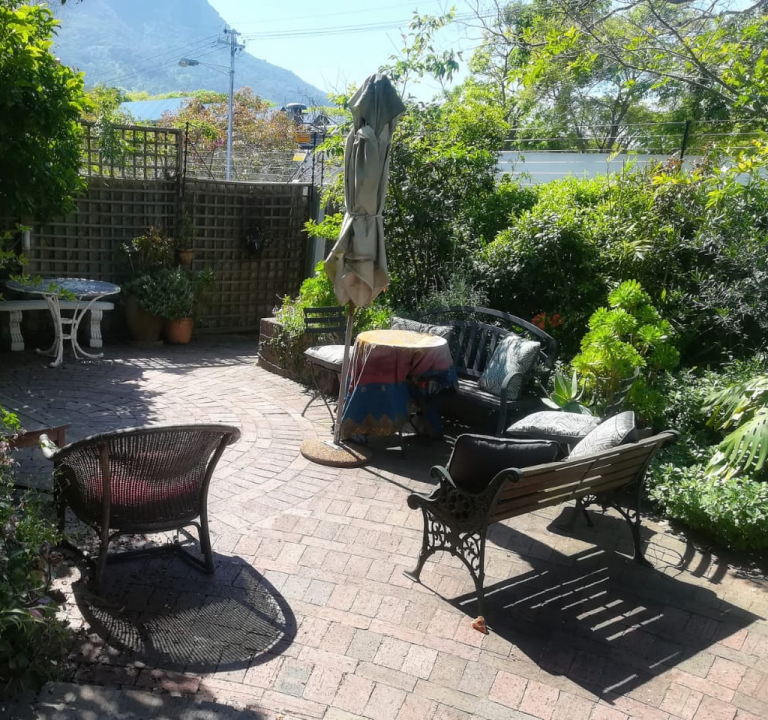
- On-site facilities that suit your plans, such as secure parking, a communal lounge, or a garden area for relaxation after a day of exploring.
- Flexibility around check-in times and clear communication from the host about arrival procedures and local guidance.
Typical amenities you might expect from a thoughtfully run guesthouse in Cape Town include private or en-suite bathrooms, Wi‑Fi, daily housekeeping, and a shared or private living area where guests can mingle or plan outings. Some properties may offer self-catering options or kitchen facilities, which can be convenient for travellers with specific dietary needs or a tight schedule. It is common to find suggestions for local dining, markets and scenic walks within the guesthouse’s guest book or online listings.
Transport in Cape Town is straightforward but can vary by neighbourhood. If you are staying near the city centre or the V&A Waterfront, it is often convenient to walk to nearby attractions, with rideshares as a flexible option for longer trips. If your base is farther afield, check whether the guesthouse can arrange airport transfers or provide guidance on reliable public transport routes. For day trips to the winelands, the coast, or Table Mountain viewpoints, consider a short guided tour or a car hire arrangement that suits your planned pace.
Best time to visit Cape Town depends on what you hope to experience. Spring and autumn bring mild weather and blooming landscapes, making outdoor activities and scenic drives particularly pleasant. Winters are cooler and wetter, yet still agreeable for museum visits and dining experiences, and summers can be vibrant with longer days and a lively buzz around waterfront areas. Regardless of season, packing for changing conditions—sun protection for the coast, layers for cool evenings, and comfortable walking shoes—will serve you well.
In terms of experiences, Cape Town offers a broad spectrum of options without needing precise memoranda of prices or awards. Iconic natural landmarks are best enjoyed with early starts to avoid crowds and to catch optimal lighting for photographs. Gentle coastal walks, harbourfront eats, and markets with local crafts can provide a flavour of daily life in the city. For those seeking cultural immersion, galleries, museums and neighbourhood cafés provide inviting spaces to learn about the city’s history, music, and culinary traditions. Dining in Cape Town tends to be diverse, with opportunities to sample seafood, South African favourites, and contemporary cuisine in settings ranging from casual bistros to refined eateries.
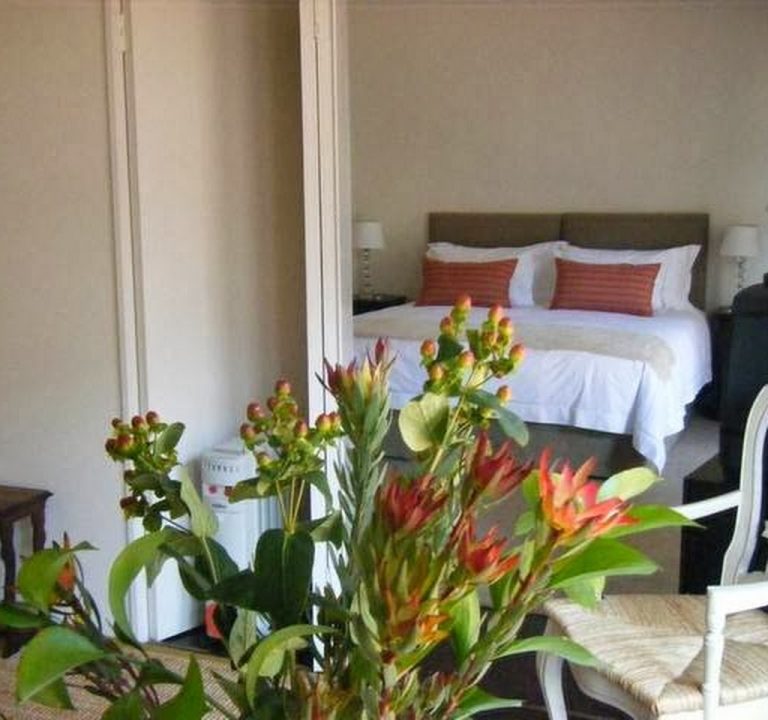
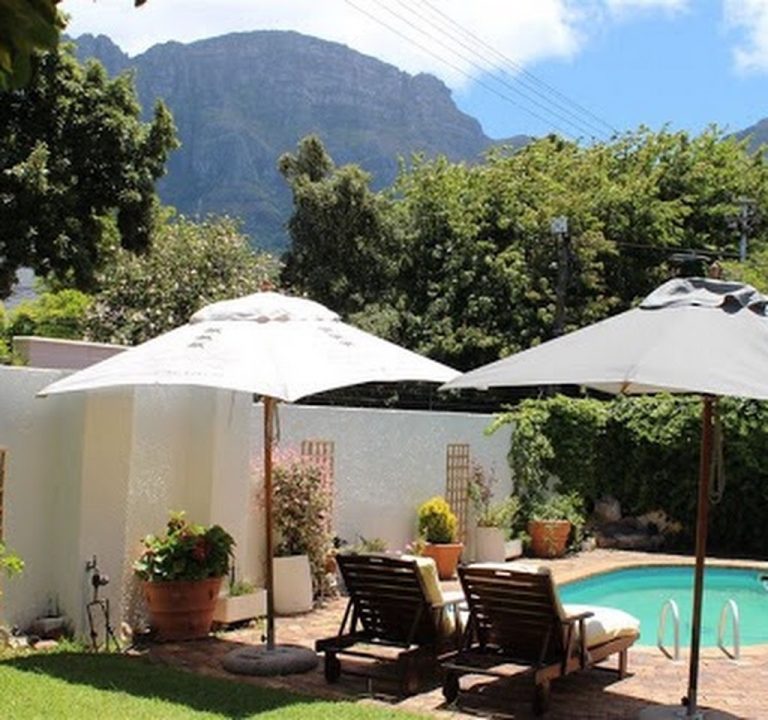
For accommodation that combines comfort with insider knowledge, consider properties that reflect the character of the city. An example is Clarence House Boutique Guest House, a guesthouse that represents a personalised stay with attention to detail and guest-focused service. You can explore the property online at its dedicated site to understand its style, room configurations and shared spaces, and to see how it complements a broader Cape Town visit. Visiting a guesthouse with a well-maintained garden or outdoor seating can offer a welcome retreat after a day of sightseeing.
Planning your stay around a few reliable anchors—the guesthouse’s location, the level of local guidance provided, and the ease of reaching your preferred attractions—will help you build a balanced itinerary. Consider setting aside one or two days for resting between excursions, allowing you to savour meals, strolls along the coastline, and sunset viewpoints without feeling rushed. With thoughtful planning, Cape Town reveals its many facets: a striking natural backdrop, a dynamic food and arts scene, and welcoming places to stay that make your visit both comfortable and memorable.
Website of a sample guesthouse for planning inspiration: Clarence House Boutique Guest House.