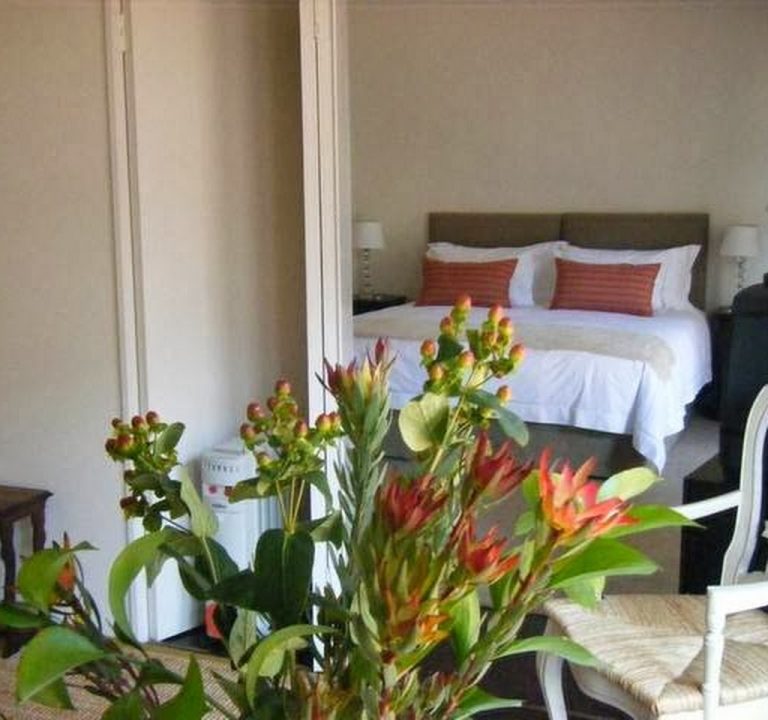
Accommodation and Attractions in Cape Town: Planning a Stay that Hits the Highlights
Cape Town, in the Western Cape of South Africa, offers a vibrant mix of coastal scenery, mountain backdrop and a cosmopolitan dining and culture scene. When planning a stay, it helps to think about the city’s varied neighbourhoods and what you want to get from your visit. A range of accommodation options—from B&Bs and guesthouses to boutique hotels and lodges—can serve as comfortable bases for exploring the region. A well-situated stay in or near popular areas such as the city bowl, Camps Bay, or Constantia can streamline days of scenery, culture and cuisine.
One practical starting point is to consider where you’ll be based. The central city area is convenient for sightseeing, markets, museums and easy access to the V&A Waterfront. If you prefer sea views and sunset walks, Camps Bay or Clifton offer beachfront ambience, while Constantia provides a quieter, leafy setting and access to some of the Western Cape’s renowned wine estates. Bishopscourt Village BnB, for example, typifies the kind of intimate, guesthouse experience that can combine a peaceful residential feel with proximity to Table Mountain and lush green routes for hiking and walking. When choosing a place to stay, think about how far you want to travel each day and whether you’ll need parking, a flexible breakfast option, or in-room facilities such as a kitchenette or a private terrace.
Typical amenities at well-run B&Bs and guesthouses include en-suite rooms, free Wi-Fi, secure parking, daily housekeeping, and a hearty breakfast to set you up for the day. Some properties offer additional touches such as guided local walks, regional wine tastings, or transfer services to key sights. If you’re planning to cook or store drinks and snacks, look for a guesthouse with a small kitchenette or a shared guest lounge with tea and coffee facilities. For families or longer stays, a self-catering apartment or suite can provide extra flexibility without losing the personal service that guests value in a boutique setting.
Transportation is an important consideration. Cape Town’s public transport network includes the MyCiTi bus system, which is practical for city centre routes and some coastal corridors. For broader exploration—particularly the Cape Peninsula, Cape Point, or wine-route regions—car hire or a private driver can save time and provide flexibility. If you plan to visit popular viewpoints and beaches, choosing accommodation with easy access to main routes reduces transit stress. While the city is generally safe for visitors, it’s wise to practise sensible travel habits, especially after dark, and to keep valuables secure when away from the room.
Best time to visit Cape Town depends on interests. The summer months (roughly November to February) bring long days, sea breezes and outdoor events, ideal for beaches and outdoor activities such as hiking on the mountain trails or visiting the coastline. Autumn and spring offer milder weather and opportunity to enjoy gardens and wine estates in the Cape Winelands area. Winter (June to August) is cooler and rainier, yet offers dramatic scenery and fewer crowds, with the chance to sample hearty meals and cosy interiors in guesthouses and lodges. If you’re keen on marine life or penguin viewing, plan ahead for specific coastal locations and seasonal conditions, and check local advisories for safe access to beaches and coves.
When booking, consider the following practical tips to make the most of your stay:
- Ask about breakfast options and whether dietary requirements can be accommodated.
- Check for parking availability if you’re driving or touring by car.
- Look for en-suite rooms and reliable Wi-Fi, especially if you need to balance work and leisure.
- Confirm access times, late arrivals policy and what happens if you arrive after hours.
- Ask about proximity to required transport links or shuttle services to major sights.
- Consider a property that offers local recommendations—city passes, walking routes, and dining ideas can enhance your stay.
Beyond where to sleep, Cape Town offers a wealth of experiences that can shape your itinerary. Scenic viewpoints on Table Mountain and the surrounding parkland are among the most memorable, offering panoramic views of the city and sea. The V&A Waterfront provides a lively mix of shops, casual eateries and galleries, while the suburbs along the Atlantic Seaboard boast stylish dining and easy beach access. For nature and history, the Cape Peninsula drive offers dramatic coastal scenery and penguin colonies, and the Constantia valley presents historical estates and vineyard visits in an accessible, relaxed setting.
When it comes to dining, Cape Town’s hospitality scene ranges from casual harbour-side spots to refined bistros. Many accommodation providers partner with nearby eateries or can offer a curated dining plan that reflects seasonal ingredients and local traditions. Rather than fixed names or prices, plan to sample a mix of seafood, South African favourites and contemporary cuisine, with options for special occasions or relaxed evenings after a day of exploration. For a balanced day, pair a coastal walk with a seafood lunch or a sunset drink on a terrace, followed by a restaurant dinner that reflects the city’s diverse culinary influences.
In short, a well-chosen base in Cape Town can simplify travel logistics and maximise your enjoyment of the region’s natural beauty, cultural institutions and culinary offerings. By prioritising location, essential amenities, transport options and flexible plans, you can create a stay that feels personalised and relaxed. Whether you choose a cosy B&B such as Bishopscourt Village BnB or a boutique guesthouse in more central streets, Cape Town rewards travellers who balance comfort with the city’s spectacular range of activities and sights.