Accommodation and experiences in Cape Town: planning your stay and enjoying the city
Cape Town, set between the Atlantic Ocean and the iconic Table Mountain, offers a diverse range of places to stay, from intimate bed and breakfasts to chic hotels and modern apartments. When planning your visit, think about the kind of neighbourhood that matches your interests—whether you want easy access to the beaches and waterfront, quiet hillside views, or a bustling central vibe with museums, markets and nightlife. The city’s hospitality sector is well geared to hotel guests, couples, families and solo travellers, with options that typically balance comfort, character and value.
Areas to consider include the City Bowl for a cosmopolitan feel within walking distance of restaurants, galleries and historic sites; the Atlantic Seaboard for dramatic coastlines and upscale beach life; the V&A Waterfront for easy harbour access and entertaining appeal; Constantia for wine-country calm and leafy estates; and Camps Bay or Clifton for sunny beaches and stylish dining. If a short drive or ride share is acceptable, the nearby Cape Winelands around Stellenbosch and Franschhoek invite day trips that pair scenic drives with cellar doors and fine dining.
Typical accommodation types span boutique guesthouses, family-friendly guesthouses with shared or en-suite facilities, modern hotels with spa and business amenities, and self-catering apartments or cottages. A well-run bed and breakfast can offer a cozier, more personal experience, with guests often enjoying a thoughtful breakfast and insider tips from hosts. When booking, you’ll usually see listings described by room type, level of privacy (private entrance or shared spaces), on-site facilities (wifi, secure parking, pool), and breakfast options (self-serve, cooked to order, or continental). If you’re seeking quiet mornings and a homely atmosphere, a B&B such as Veronique Bed and Breakfast can illustrate the approachable charm of this sector, subject to availability and disclosure by the host.
To help you plan a smooth stay, here are some practical considerations and practical tips to keep in mind when booking:
- Location versus pace: decide how close you want to be to the waterfront or Table Mountain access, and whether you prioritise convenience for daily outings or a quieter residential setting.
- Layout and amenities: check for en-suite bathrooms, comfortable bedding, reliable wi‑fi, air conditioning or heating, and parking arrangements if you’ll be driving.
- Transport options: Cape Town has ride-hailing apps and a growing public transport network, but some areas are easier to reach by car. Consider whether the property offers shuttle services or is within easy reach of MyCiTi bus stops.
- Safety and access: read reviews about security measures, such as gated parking, 24-hour reception in hotels, and well-lit entrances in guesthouses.
- Seasonality and rates: peak season (summer and school holidays) tends to be busier and pricier; shoulder seasons can offer better value with pleasant weather.
When you arrive, you’ll typically find breakfast options that range from simple continental setups to more elaborate cooked offerings, often featuring local produce. Hosts in Cape Town frequently share curated suggestions for day trips, beaches, scenic routes, and neighbourhood eateries, helping you tailor experiences to your interests. For a taste of the city’s flavours, you’ll encounter everything from casual waterfront eateries to refined dining options that showcase the region’s seafood, wine pairings, and South African produce. Verbal recommendations from hosts and front desk teams can be invaluable for planning evenings, markets, and sunset viewpoints.
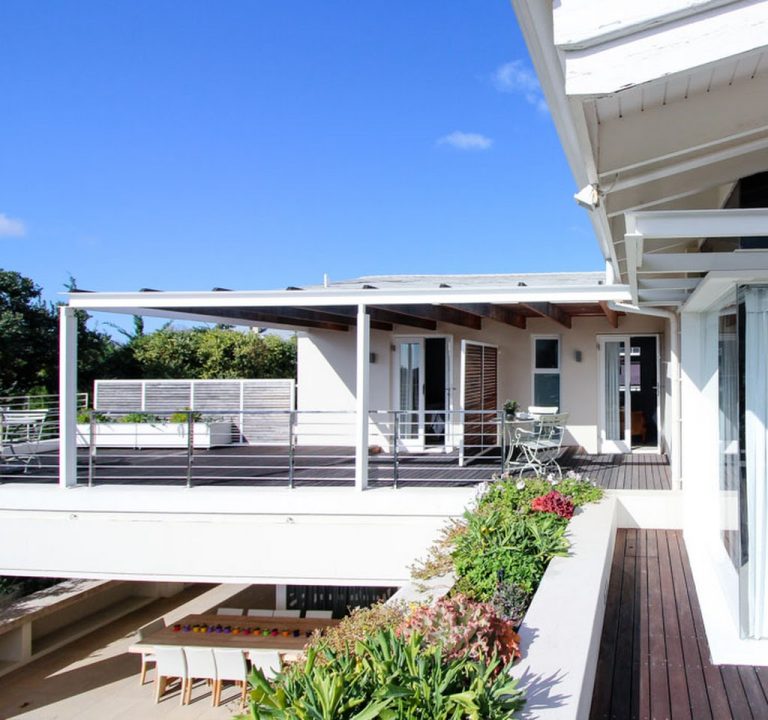
Typical on-site facilities can enhance your stay: a swimming pool or sun terrace for downtime, well-equipped kitchens or self-catering options for convenience, laundry facilities, and comfortable common areas for socialising or planning the day. Some properties offer terraces or balconies with sea or mountain views, which can be a real highlight, especially at sunrise or golden hour. Accessibility is another factor to consider; if you have mobility needs, check for lift access, step-free entry, and ensuite bathrooms designed for convenience.
In terms of itineraries, Cape Town’s attractions are easy to weave into a few days or a longer stay. You can plan a half-day trip up to Table Mountain or the nearby nature reserves, a trip to the cape peninsula to see the coast and penguins, or a day exploring a historic neighbourhood, markets, and museums. For food lovers, aim to explore a mix of casual cafes and finer dining venues that celebrate local ingredients and world-class wine. For families, look for properties with room to stretch, a safe environment, and neighbourhoods close to parks and child-friendly attractions.
Best time to visit Cape Town is generally from late spring to early autumn (September to April), when the city enjoys longer days and plenty of outdoor activities. However, weather can be changeable, especially on the coast, so packing a light jacket and layers is sensible. If your trip includes nature and wine country, plan some time beyond the city to visit the Constantia valley or Stellenbosch, which offer scenic drives, vineyards and markets that are enjoyable at any visiting pace.
For planning and bookings, always check the latest guest reviews and the property’s own policies on cancellation and guest access. A well-chosen stay in Cape Town can be comfortable, convenient and a gateway to some of South Africa’s most celebrated scenery and experiences. With thoughtful selection of location, amenities, and transport options, you can focus your days on discovery, relaxation, and enjoying the famed hospitality of the region.