Accommodation in Cape Town: Where to stay and how to plan your visit
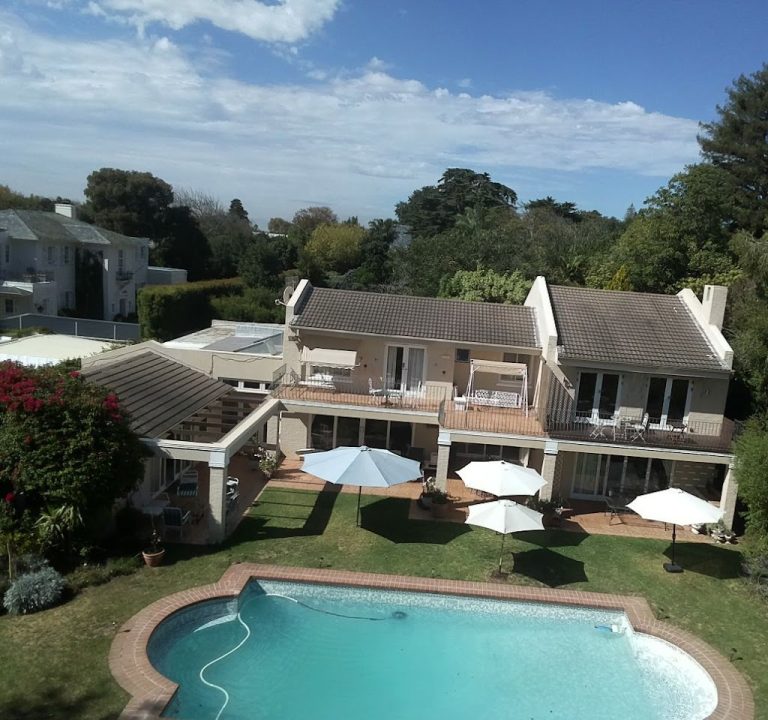
Cape Town is a city of striking contrasts, where beaches meet mountains and neighbourhoods offer distinct character. When planning a stay, consider which area will shape your daily rhythm as much as the accommodation itself. From the leafy lanes of the City Bowl to the seaside avenues of Sea Point and Camps Bay, to the wine routes of Constantia, there is a diverse range of options to suit different tastes and budgets. A charming guest house such as White Cottage can provide a comfortable base that feels like a home from home, while still being well placed for exploration around the city centre and beyond.
When choosing where to stay, think about access to transport, proximity to the sights you want to visit, and the atmosphere you prefer. If you value easy access to museums, markets, and restaurants, a stay in the City Bowl or Green Point gives you walkable convenience and a buzzing urban scene. If you would rather be near the coast with sea views, consider Sea Point or Camps Bay. For a slower pace and leafy streets, Constantia or the Constantia Valley offers a more tranquil setting with close proximity to vineyards and nature trails.
Typical amenities to look for include reliable Wi‑Fi, secure parking or easy access to transport, generous breakfast options, and friendly staff who can offer local tips. For large families or groups, look for flexible room configurations, self-catering facilities, or communal lounges. If you are visiting during peak season, a guest house or boutique hotel with a welcoming common area can help you feel rested after busy days out.
Transport in Cape Town is part of the experience. The city has a range of options from guided tours to independent travel. The MyCiTi bus network is user-friendly for short hops around the city, while car hire gives you the freedom to explore the Cape Peninsula at your own pace. Uber and other ride-hailing services are widely available, and many guest houses offer parking or arrangements with trusted drivers for day trips to the Cape Peninsula, Chapman’s Peak, or nearby nature reserves. If you plan to visit Robben Island, nearby ferries depart from the V&A Waterfront, so staying within easy reach of the city centre can save time in the mornings.
The best time to visit Cape Town depends on what you want from the trip. The spring and autumn months (September to November and March to May) bring mild temperatures and calmer crowds, ideal for hiking Table Mountain and strolling along the beaches. Summer (December to February) is warm and lively, with longer days and excellent seaside conditions, but it can be busier with higher prices. Winter (June to August) is cooler and wetter, yet green landscapes and fewer crowds can appeal to travellers seeking a peaceful escape. Pack layers for cool mornings and breezy evenings, and remember that coastal winds can be stronger in some neighbourhoods, so a light jacket and a sunhat are useful companions.
When it comes to planning a stay, set a realistic balance between rest days and sightseeing. Early starts to reach popular viewpoints are worth it, and booking key activities in advance can help you secure preferred times. If you enjoy wine tasting or scenic drives along the coast, allocate a day to the Southern Suburbs or to the Cape Peninsula loops. For families and outdoor enthusiasts, mornings spent in Table Mountain National Park, Kirstenbosch Botanical Gardens, or at excellent beaches can be complemented by relaxed evenings at friendly eateries and informal cafés.
Accommodation types span guest houses, boutique hotels, and self-catering flats. A guest house can offer a more intimate feel, with locally sourced breakfasts and staff who know the city well. A boutique hotel can provide premium amenities and a curated experience, while a self-catering option gives you wonderful flexibility for longer stays. Regardless of type, reading recent guest reviews and confirming cancellable rates can help you adjust plans if weather or closures alter your schedule. For families or special occasions, look for spacious rooms, quiet courtyards, and communal kitchens or lounges that encourage a relaxed, sociable atmosphere.
Regional attractions and experiences sit beside the practicalities of accommodation. Iconic natural routes and viewpoints are easiest to enjoy with solid footing, while the city’s markets, harbour and waterfront precincts offer generous spaces for strolling, snacking, and people-watching. In terms of dining, Cape Town’s culinary scene ranges from casual seafood shacks by the coast to modern, chef‑led restaurants in the heart of the city. Many establishments emphasise local ingredients and seasonal menus, giving visitors a taste of the Western Cape’s produce without the need for elaborate plans. Day trips to the Cape Peninsula and the Cape Winelands can be woven into a longer itinerary, providing balanced, memorable experiences alongside your stay in the city.
- Location: proximity to sights, ease of access to public transport
- Amenities: reliable Wi‑Fi, secure parking, breakfast options, 24-hour reception
- Room configuration: en suite bathrooms, extra beds or family rooms
- Facilities: outdoor spaces, on-site parking, kitchen or lounge areas
- Host guidance: local tips on routes, safety, and best times to visit
In summary, Cape Town offers a wide spectrum of accommodation styles to suit every traveller. By selecting a base that aligns with your preferred neighbourhood and pace, you can enjoy easy access to the city’s dramatic scenery, vibrant dining scene, and easy day trips to the surrounding wonders of the Western Cape. Plan deliberately, pack for the variable weather, and allow for relaxed mornings and longer evenings in this remarkably scenic part of South Africa.