Cape Town: Accommodation and Planning for a Memorable Stay
Choosing where to base yourself in Cape Town is part of the adventure. The city offers a mix of vibrant urban stays, coastal retreats, and tranquil countryside lodgings just beyond the city lights. When planning a visit, consider the character of each neighbourhood and how it aligns with your plans for sightseeing, dining, and day trips along the coast or to wine regions nearby.
Area considerations help shape your itinerary. The City Bowl and the central foreshore are ideal for guests who want quick access to museums, markets, and a lively dining scene, with easy links to table-top routes and quick commutes to the southern suburbs. The Atlantic Seaboard, from Green Point to Camps Bay, is renowned for dramatic views, long beaches and a cosmopolitan pace; a great choice for sunset walks and relaxed breakfasts with ocean vistas. Constantia and the southern suburbs provide leafy tranquillity, excellent wine estates, and a slower rhythm perfect for couples and families seeking a slower pace. Woodstock and the inner city offer stylish boutique stays, creative hubs, and convenient access to food markets and cultural spots. If you plan day trips along the Cape Peninsula, including Chapman's Peak or Simonstown, a base closer to the Compromise between city buzz and coastal drives can be beneficial.
What to look for when booking
- Location relative to your plans: proximity to MyCiTi bus routes or commuter rail can greatly reduce travel time.
- Amenities that suit your pace: reliable Wi-Fi for remote work, on-site parking, breakfast options, and 24-hour reception can make a stay smoother.
- Room types and layout: consider whether you need separate sleeping spaces, a kitchenette, or a balcony with sea or mountain views.
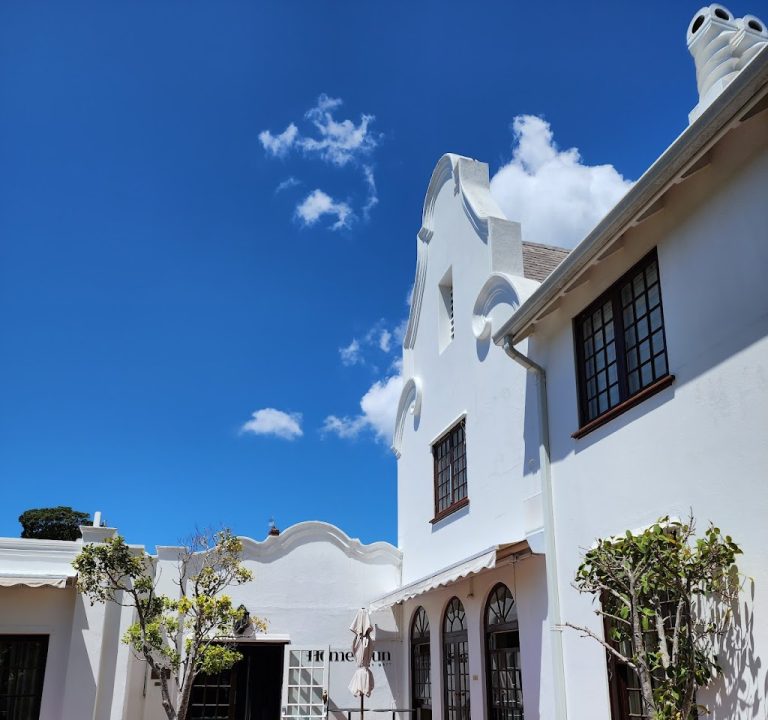
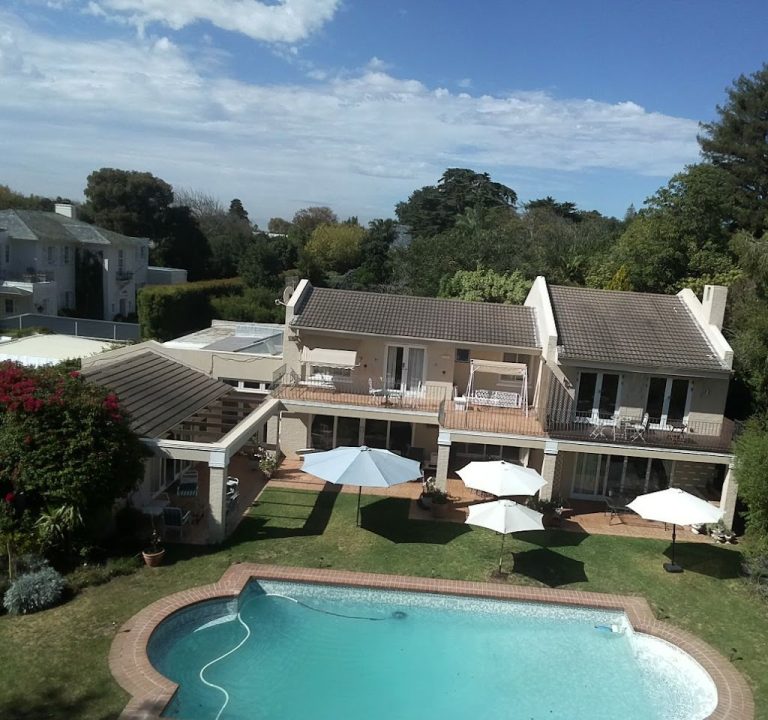
- Character of the property: boutique guesthouses often offer personal touches and local knowledge, while larger hotels may provide extensive facilities such as pools, spas, and fitness suites.
- Safety and access: confirm well-lit entrances, secure access, and clear directions to major sights, especially if you’ll be returning late from city walks or dinner.
Typical amenities you might encounter include en-suite bathrooms, climate control, and well-equipped kitchens or tea/coffee provisions. Some properties offer complimentary breakfast, while others provide continental options or in-house dining. Outdoor spaces—terraces, gardens, or rooftop decks—are particularly enjoyable in Cape Town’s favourable climate. If you’re exploring with family, look for child-friendly rooms, flexible bedding configurations, and proximity to parks or beaches. For solo travellers, properties with social lounges or organised activities can help you meet other guests and get local tips.
Planning transport and getting around
Public transport in Cape Town is well-supported by buses and trains, though services can vary in frequency by area. The MyCiTi bus network is generally reliable for central areas and the Atlantic Seaboard, with routes that connect to key sights. Taxis and ride-hailing apps are widely available and convenient, particularly for evening outings or early starts for sunrise views from Table Mountain. If you plan to explore beyond the city, consider renting a car for flexibility, especially for coastal drives or wine country excursions. When booking accommodation, check parking arrangements if you’ll have a vehicle, and inquire about shuttle services to popular beaches or mountain viewpoints where available.
Best time to visit and practical tips
The city enjoys its peak charm in the South African summer (roughly November to February), with longer days and warm ocean temperatures. Spring (September to November) and autumn (March to May) offer milder weather and fewer crowds, which can be ideal for museum visits, hikes, and wine-tasting trips. Winter (June to August) brings cooler, windier days but still plenty of sunshine and city life; it can be a good time for city-based dining experiences and lower accommodation rates in some areas.
Practical tips for a smooth stay:
- Book accommodation with flexible cancellation when possible, especially if travel plans are subject to change.
- Check access to beaches and hillside viewpoints; some routes may have seasonal restrictions or safety considerations.
- Pack layers—the coastal climate can be changeable, with cool mornings and evenings even in warmer months.
- Plan a mix of activities: a day on the Atlantic Seaboard for sea breezes, a day in the City Bowl for culture, and at least one wine-tasting excursion to the nearby Constantia or Stellenbosch regions if time allows.
- Respect local guidelines and environmental practices, particularly when visiting natural areas or protected landscapes.
During your stay, you’ll encounter a broad spectrum of dining options and experiences. Restaurants range from casual eateries with seafood and market-fresh ingredients to refined venues offering contemporary South African cuisine. In parallel, Cape Town’s attractions cover iconic landscapes, world-class viewpoints, and cultural hubs. Visitors typically enjoy combining outdoor experiences—such as coastal walks or mountain routes—with relaxed days in well-appointed lodgings that offer quiet spaces after busy days. For further inspiration and practical planning resources, consider official tourism websites and regional guides, which provide up-to-date information on attractions, routes, and seasonal events at www.capetown.travel and related regional portals.