Accommodation and travel ideas for Wellington, Western Cape
Wellington, tucked into the Breede River Valley and backed by rugged mountains, offers a relaxed base for exploring the Western Cape’s wine routes and outdoor scenery. A stay in Wellington can range from intimate guest houses to country lodges and modern self‑catering options. When planning a visit, consider what pace you want: easy days in town, winery hopping, or nature walks with a dramatic backdrop. A well‑chosen stay can act as a comfortable home from home while you discover the surrounding region.
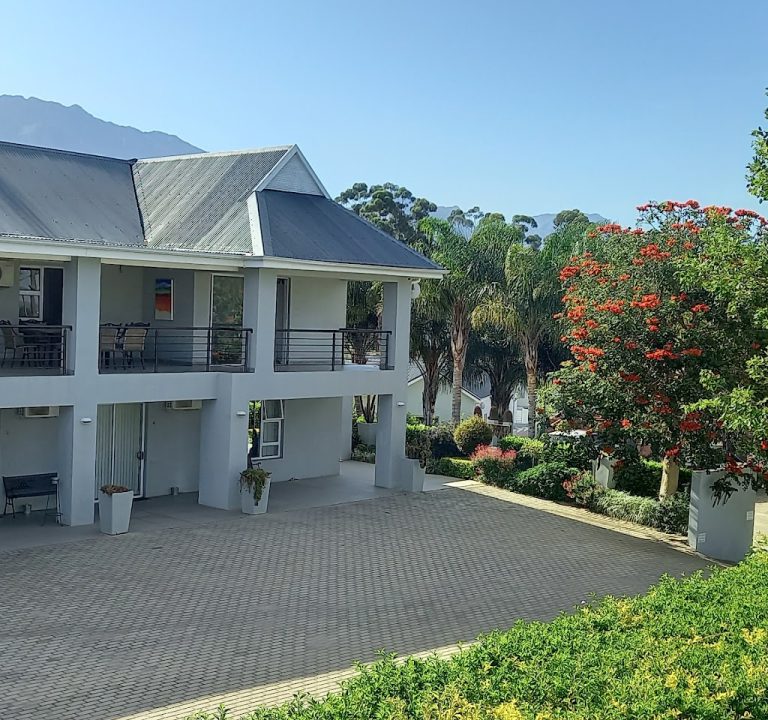
For guests seeking a welcoming and characterful experience, a guest house such as Soete Huys Guesthouse can provide personalised service and a sense of place. These properties often combine traditional charm with practical comforts, like private entrances, on‑site parking, and breakfast options that showcase regional produce. When you book, look for descriptions that emphasise quiet neighbourhoods, good lighting and security, and clear access to the town centre and surrounding farms or trails.
Areas to consider in Wellington include the historic core, where old churches and cottages sit alongside cafés and markets, and the more rural outskirts closer to orchards and vineyards. Staying near the town centre makes day trips simple and lets you walk to eateries, bakeries and shops. If you prioritise scenery and tranquillity, a guest house or lodge on the hillside or closer to the farms can offer panoramic views and easier access to hikes and bike routes. When in doubt, check walking distances to the town’s amenities and to the main roads that lead to surrounding towns and wine estates.
What to look for when booking includes a comfortable bed, quiet rooms, reliable hot water, and adequate privacy. A well‑appointed guest house should provide en‑suite or easily accessible bathrooms, secure parking, and thoughtful touches such as blackout curtains, extra blankets for cool evenings, and good lighting for reading. Where possible, choose properties that advertise guest safety, clear check‑in procedures, and a transparent cancellation policy. If you plan to cook, a kitchen space or self‑catering option can be convenient; if not, ensure breakfast or other meals are offered or nearby options are within walking distance.
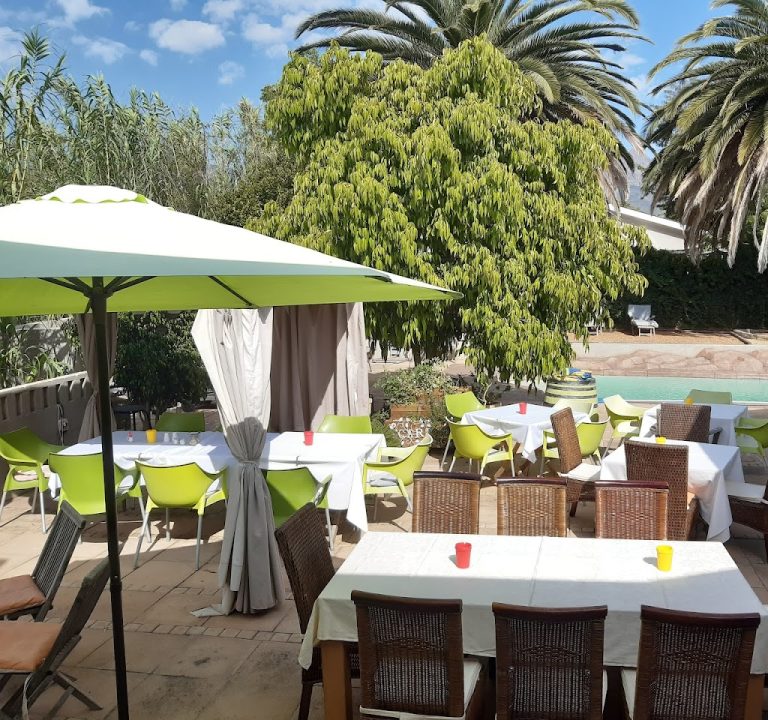
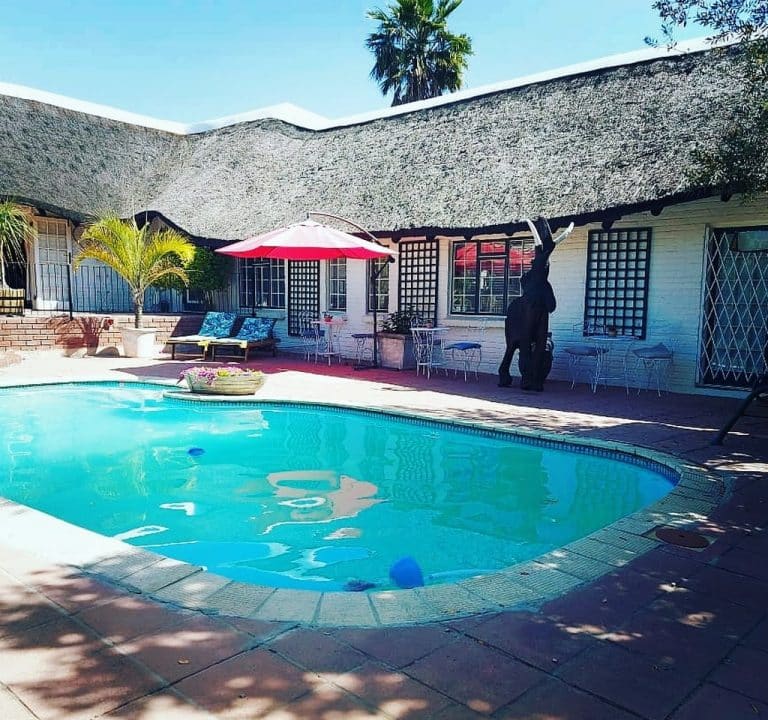
Typical amenities that make a stay more enjoyable include free Wi‑Fi, climate control or fans for warmer months, and outdoor spaces where you can sit with a drink and absorb the valley’s hush. Some guest houses also offer verandas, shared lounges, or small gardens—these are ideal for relaxing after a day of exploration. Transport is a practical consideration: a rental car is common for Wellington and the surrounding wine routes, but you can also arrange transfers from major towns. If you are not driving, check whether the property can assist with local taxi services or guided tour options.
Best time to visit Wellington depends on your interests. Spring and autumn bring pleasant temperatures for walking and outdoor activities, while summer offers longer days for vineyard visits and alfresco dining. Winter can be cooler and greener, with occasional rain, which suits cosy stays and indoor sightseeing. If you are chasing grape harvest atmosphere, plan your visit in late summer to autumn, but be aware that busy periods can mean higher rates and fuller properties. Booking in advance is wise for peak weekends or during event periods in the region.
Public transport is limited within the valley, so most visitors find a car advantageous. However, Wellington is connected by regional roads to Stellenbosch, Paarl, and the coastal towns of the Overberg. From Cape Town, a hire car drive takes roughly an hour, depending on traffic and routes. If you prefer not to drive, consider combining a stay with guided wine tours or day trips arranged through your accommodation or reputable tour operators. Confirm access to attractions and whether many sites require drive‑in or reservation windows ahead of time.
Activities and experiences in the area fall into several broad categories. Outdoor enthusiasts can enjoy short to moderate forest and hill walks, scenic viewpoints, and cycling routes that reveal the valley’s varied landscapes. Food and wine experiences are central here: the Western Cape’s wine estates offer tastings and tours, and many venues highlight locally produced produce and seasonal fare. For a cultural touch, explore the town’s historic streets, churches and public spaces, with markets and small galleries contributing to a relaxed provincial flavour. When selecting restaurants or cafés, look for places that emphasise local ingredients, seasonal menus, and friendly service rather than flashy pretensions. A balanced mix of casual eateries and more refined dining can suit different days and group preferences.
Practical tips for a smooth stay:
- Book flexible rates where possible and confirm cancellation terms in advance.
- Ask hosts about the best routes to your planned activities and whether they offer guidance on local wine estates or scenic drives.
- Plan a couple of full days for major activities and leave space for spontaneous discoveries in the town or countryside.
- Check parking arrangements and access times if you are arriving late or departing early.
- Pack layers for cooler evenings and a light jacket for coastal breezes, even in warmer months.
For more inspiration and practical planning, you can explore general travel information about the Western Cape and Wellington on official tourism resources. A well‑chosen place to stay can anchor a memorable visit, letting you enjoy the region’s landscapes, flavours, and hospitality at a comfortable pace.