Wellington, Western Cape: Accommodation and planning your stay in a traveller-friendly hub
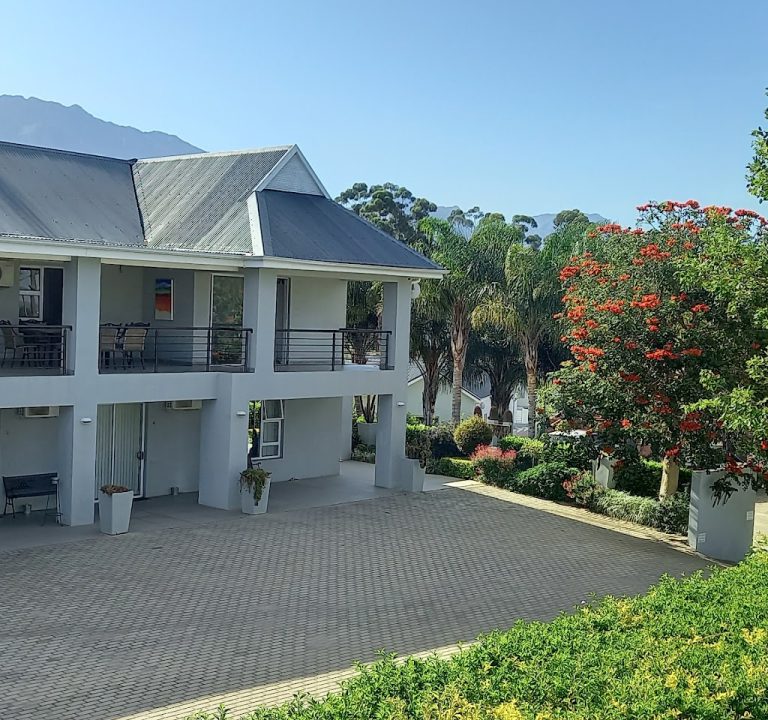
Wellington in the Western Cape offers a calm and characterful base for visitors exploring the region’s wine country, rugged scenery, and rural hospitality. An ideal choice for travellers who value a homely ambience, Wellington’s guest houses, boutique hotels and self-contained cottages provide a range of options from intimate bungalows to larger guesthouse properties with shared spaces. Among them, Hanna Guesthouse exemplifies the kind of welcoming, characterful accommodation that suits couples, families, and solo travellers alike, with thoughtfully designed rooms and a neighbourhood atmosphere that makes you feel rooted in the town.
When planning a stay in Wellington, start by identifying the areas that best suit your itinerary and pace. The town centre offers proximity to shops, eateries and markets, plus easy access to local wine estates and hiking trails. Alternatively, hillside or rural settings provide panoramic views, larger plots, and a sense of retreat while still being within a short drive of eateries and activities. If you are booking a self-contained unit, look for private entrances, parking, and clear indications of accessibility for any mobility needs. For visitors who wish to combine a restorative break with thoughtful exploration, a central or semi-rural location with easy access to scenic drives can be ideal.
What to look for when booking: reliable heating or cooling, good natural light, and comfortable beds are essential, but don’t overlook the little things that elevate a stay. Quiet rooms or well-insulated walls help with restful nights, particularly during busy harvest periods or seasonal events. Check for practical amenities such as adequate storage, a well-equipped kitchenette or tea-and-coffee facilities, free Wi-Fi, and a well-organised guest information pack or on-site staff available to assist with bookings. If you’re travelling with family or a group, confirm the size of rooms or the option for interconnecting spaces. For longer stays, a guest house that offers a small kitchenette, laundry facilities or a communal kitchen can be especially convenient.
Transport and getting around are important considerations in Wellington. A car is often the simplest way to explore the wider region—with vineyards, nature reserves and scenic routes spread across countryside that is best appreciated by road. If you prefer not to drive, check whether your accommodation offers organised excursions, airport transfers, or convenient access to reliable taxi or rideshare services. Some guest houses may provide bicycles or have partnerships with local providers for guided walks or wine-tasting tours, which can help you make the most of your visit without relying on own transport for every excursion.
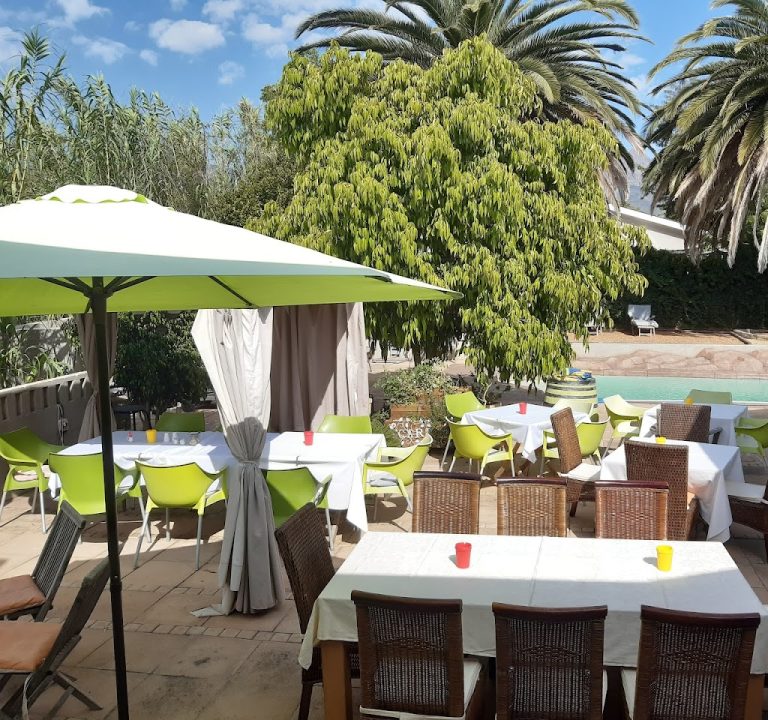
Typical amenities you might encounter include comfortable lounge areas with reading corners, outdoor seating with views, a communal kitchen or dining room, and a garden or courtyard ideal for morning coffee or sunset conversations. Many guest houses in Wellington place a premium on hospitality, offering personalised recommendations on local wineries, farm stalls, and dining experiences. Breakfast is a highlight for many guests, whether a plated continental option, a hot plated dish, or a garden-to-table spread featuring regional produce. If you have dietary requirements, contact the host in advance to understand what can be accommodated and whether self-catering options are suitable for your plans.
Best time to visit Wellington tends to align with the broader Western Cape seasonality. Spring brings mild temperatures and flowering landscapes, while autumn offers harvest photos and quieter crowds. Summer days are long and often sunny, perfect for outdoor tastings and scenic drives, though peak tourist periods can bring busier streets. Winter brings cooler evenings and occasional rain, which can suit travellers seeking a cosy stay with warm fireplaces or lingered evenings in a guest lounge. Pack layers, a light waterproof layer, and comfortable walking shoes for gentle trails and town strolls.
Attractions and experiences in and around Wellington usually revolve around the outdoor and food-and-drink scenes. Expect rural scenery, vineyard terraces, rugged hills, and easy access to nature trails. Visitor activities often include wine-tasting experiences at nearby estates, farm-to-table dining concepts at countryside restaurants, and markets or workshops that showcase local produce and crafts. For those who enjoy exploring on foot or by bike, there are gentle trails and scenic routes that reveal the countryside’s character while maintaining relaxed pacing. Cultural and historical insights—through local architecture, museums, or guided town walks—provide additional layers of interest for a well-rounded visit.
Dining in Wellington ranges from casual cafés to more refined country eateries. The emphasis tends to be on fresh, seasonal ingredients, with menus that highlight local produce and regional flavours. If you are staying in a guest house in the town, ask hosts for balanced recommendations that suit your meal preferences and travel timetable. Whether you prefer a relaxed lunch after a winery visit or a leisurely dinner in a cosy bistro, Wellington offers options that pair well with the tranquil pace of a rural Western Cape visit.
Practical tips to make the most of your stay: confirm check-in times and late-arrival arrangements, especially if you are arriving after business hours. Bring a map or offline route plan, as some rural areas may have limited mobile signal in certain pockets. Respect local customs and privacy when visiting small estates or village centres, and always coordinate access for guided tours or tastings in advance. Finally, leave a little time for spontaneous discoveries—a friendly conversation with a local producer or a hidden courtyard café can be the highlight of a Wellington itinerary.
- Consider central or semi-rural stays for easy access to town amenities and scenic drives
- Prioritise clear communication with hosts about needs, including dietary requirements and accessibility
- Plan a balanced itinerary with wine estates, nature walks, and restful downtime