Wellington, Western Cape: Accommodation, Attractions and Practical Travel Tips
Wellington, nestled in the Western Cape’s vinous heartland, offers a relaxed gateway to the winelands while remaining an approachable base for explorers who prefer smaller towns with genuine local character. When planning a stay, consider a mix of convenient town-centre options and quieter countryside retreats nearby. This enables you to enjoy the comforts of a home-from-home while using Wellington as a stepping stone to the surrounding farms, trails and scenic viewpoints.
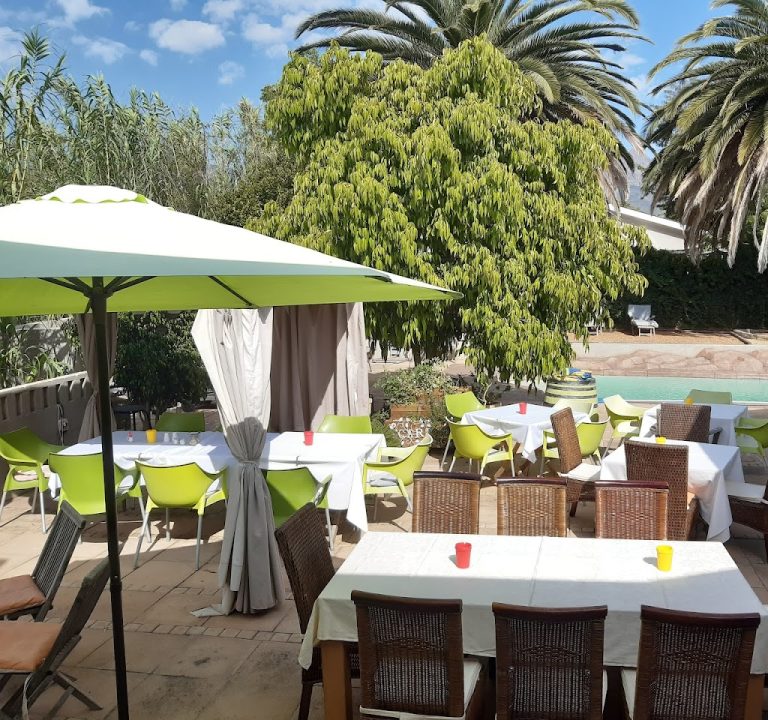
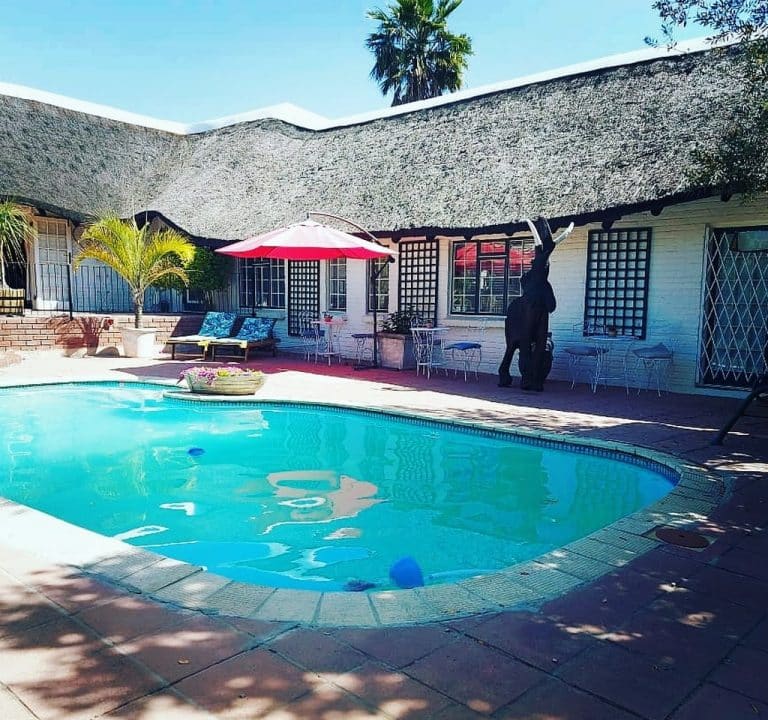
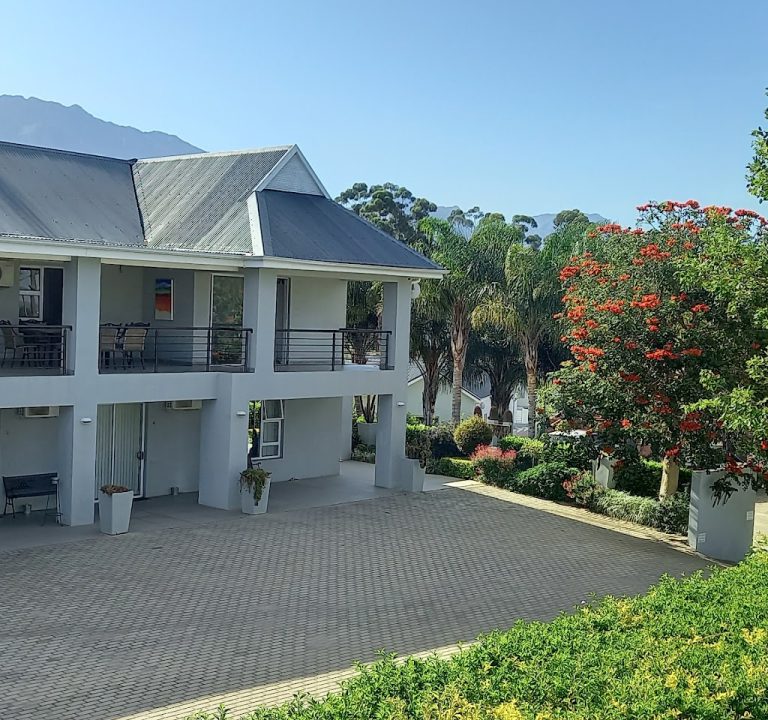
Accommodations in Wellington come in a range of styles, from intimate guesthouses and self-catering cottages to larger boutique hotels and working estate lodges. If you are seeking a tranquil escape, look for lodges or guesthouses set on vineyards or rural estates with views of the surrounding mountains. For those who want convenient access to shops, cafés and the weekly market, stay closer to the town centre. Arlemu Estate, a recognised local retreat, illustrates how a countryside property can combine stylish comfort with a sense of place, while still offering easy access to the town’s amenities. Regardless of style, aim for factors such as private parking, reliable heating or cooling, and clear access to exterior spaces for outdoor living during warm days or cooler evenings.
Typical amenities to look for when booking include en-suite bathrooms, quality bedding, and in-room or on-site facilities for self-catering or light meals. Many Wellington properties offer outdoor seating areas, a pool or suntrap patio, and shaded gardens—perfect for al fresco breakfasts or late-afternoon reads. If you are travelling with families or groups, enquire about family rooms, sofa beds, or separate suites. Wi‑Fi access is now a standard expectation for most visitors, but it’s worth confirming bandwidth in rural settings to ensure productive work sessions or streaming downtime if required.
Transport and getting around Wellington is straightforward with a rental car offering the most flexibility for day trips to nearby towns and wine farms. The town is well connected by regional roads, and you can plan scenic drives through the surrounding countryside. If you prefer not to drive, check whether your accommodation can arrange a private transfer or recommend reputable local taxi services. For those arriving via the main routes north or south, Wellington serves as a well-located base for exploring the Paarl, Franschhoek and Stellensbosch areas, with day trips that combine scenic views, cellar doors and light meals in farm-to-table settings.
Best time to visit Wellington largely aligns with the South African seasonal calendar. Spring (August to October) brings fresh greenery and flowering fruit trees, a good time for outdoor walking, light hikes and photography. Autumn (March to May) offers mellow weather, harvest atmospheres at farms, and comfortable temperatures for longer excursions. Winter is cooler, with crisp mornings that can be ideal for cosy stays by a fire in a guesthouse or lodge. Summer can be warm, so look for shaded verandas and swimming options in or near the accommodation. When planning your itinerary, consider local market days, farmers’ markets and seasonal events hosted by vineyards or community venues—these often provide an authentic sense of the area and additional opportunities to sample regional produce.
What to do in and around Wellington? The town sits within easy reach of the Western Cape’s famed wine routes, so you can expectations of relaxing tastings and slow-paced tours at nearby wine farms. In addition to vineyards, outdoor enthusiasts will find worthwhile walks and light-to-moderate hikes on the surrounding hills and nature reserves. For a relaxed day, explore the local crafts and markets, or take a gentle drive through the countryside to enjoy birdlife, sweeping views, and photo-worthy landscapes. Food lovers should plan to dine at restaurants that champion seasonal ingredients sourced from nearby farms, with menus that reflect the terroir of the region. For those seeking further exploration, consider extending your stay to nearby towns where more extensive dining scenes and more diverse hiking routes exist, while returning to Wellington for restful nights in a comfortable base.
Practical tips to help you plan a smooth visit:
- Book accommodation with clear cancellation policies in case travel plans change.
- Choose a property with on-site parking and easy access to main roads for day trips.
- Check for reliable Wi‑Fi if you need to work or stay connected.
- Pack layers: mornings and evenings can be cool, especially outside of peak summer.
- Investigate nearby markets and farm stalls to discover regional produce and crafts.
- Plan a flexible day or two to allow for weather changes or spontaneous tastings.
When planning a stay in Wellington, balance comfort, location and accessibility. A property that offers a restful base with attention to detail—such as quiet rooms, pleasant outdoor spaces, and responsive hosts—will help you maximise time for enjoying the surrounding landscapes and the region’s relaxed pace. Whether you prioritise a cosy, intimate setting like a countryside estate or a convenient base near town facilities, Wellington provides a welcoming option for travellers seeking a genuine Western Cape experience, with wine, mountains and warm hospitality as everyday companions.