Accommodation and Experiences in Wellington, Western Cape
Wellington sits in the heart of the Western Cape, framed by rolling vineyards and rugged mountains. It is a friendly base for travellers seeking a relaxed South African escape with easy access to wine routes, nature walks, and thriving outdoor spaces. When planning a stay, consider the range of accommodation on offer—from intimate guest houses and B&Bs to boutique hotels and self-catering lodges. Each option can provide a distinct flavour of the town, often with welcoming hosts who can share local tips on hidden viewpoints, markets, and day trips.
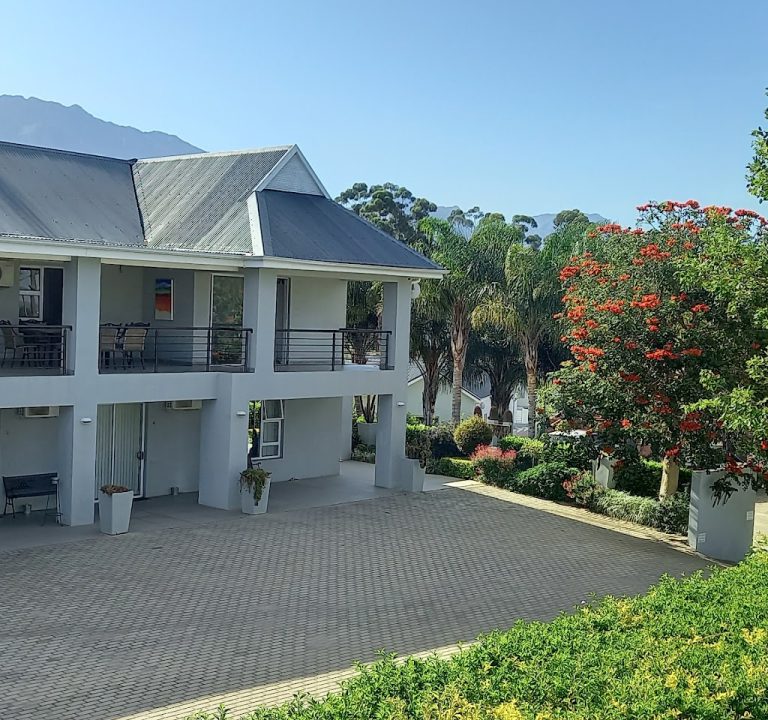
Areas to consider when choosing where to stay include the town centre for quick access to cafés, bakeries, and a gentle walking pace, as well as hillside or vineyard-adjacent properties for views and a more tranquil atmosphere. If you value a morning stroll with a panorama, look for rooms with balcony or courtyard access that catch the sunrise over the surrounding mountains and wine farms. For families or groups, self-catering cottages or guest houses with private lounges and kitchenettes can offer flexibility and value.
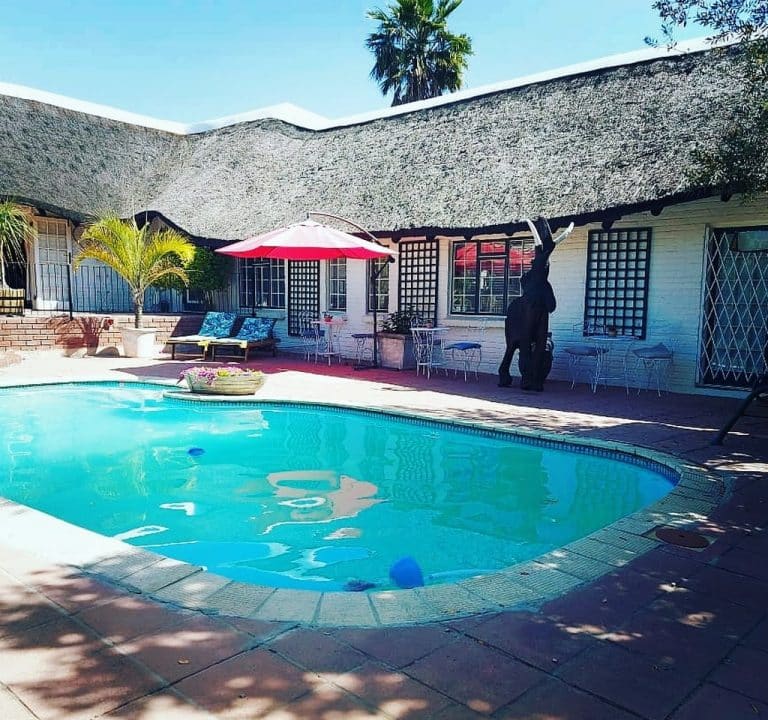
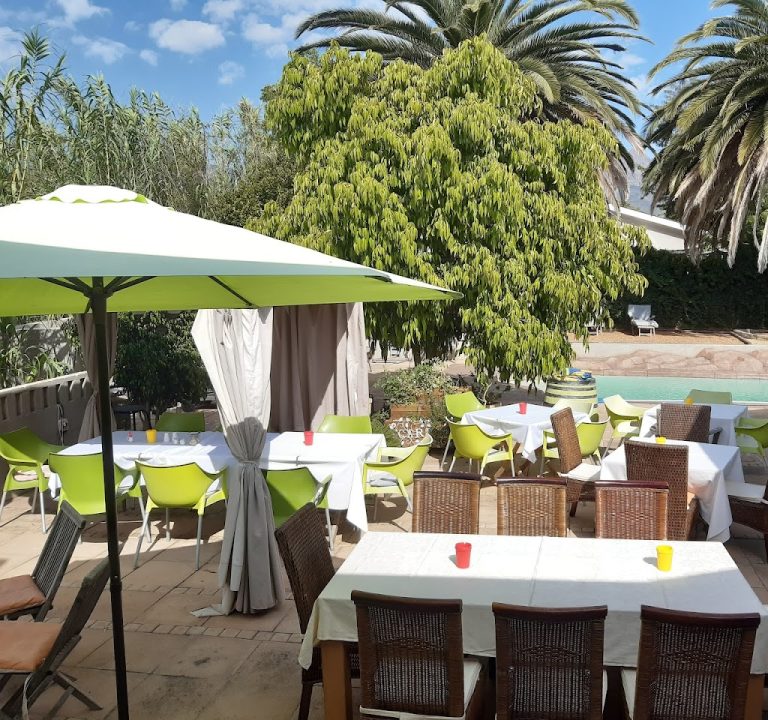
Typical amenities you might encounter include free Wi-Fi, secure parking, self-catering facilities or breakfast options, and guest lounge areas. Some properties offer plunge pools or shaded outdoor spaces, which are especially welcome on warm days. Expect well-kept gardens, informative guest books with local recommendations, and hosts who are happy to assist with personalised itineraries, from wine tastings to scenic walks. Read the listing carefully for details about noise levels, accessibility, and pet policies if you are travelling with companions of the four-legged variety.
Planning a stay in Wellington should also take transport into account. The town is well-connected by road, with car hire being a popular option for visitors who want to explore wine routes and surrounding towns at their own pace. If you prefer not to drive, check whether your accommodation offers a shuttle service to central spots or nearby towns, or confirm access to reliable rideshare options. Proximity to the town’s gateways and main roads can influence both travel time and convenience, especially if you plan day trips to surrounding farms, nature reserves, or markets.
Best time to visit Wellington tends to align with its outdoor and agritourism appeal. Spring (September to November) and autumn (March to May) bring mild weather, blossoming landscapes, and comfortable days for vineyard walks. Winter is cooler and can be quiet but atmospheric, with dramatic skies over the Drostdy hills, while summer offers warm, sunny days ideal for outdoor tastings and hikes. If you are visiting during harvest season, be prepared for busier periods in farm shops and surrounding towns, and always book well in advance for popular stays or experiences.
When it comes to planning activities, Wellington offers a gentle mix of nature, culture, and food-focused experiences. You can expect opportunities for scenic walks along hillsides and along riverine paths, easy day trips to nearby wine estates, and the chance to explore local markets or artisan shops. In general terms, many visitors enjoy combining a stay with relaxed garden visits, short hikes suitable for most fitness levels, and time spent tasting regional wines and sampling fresh farm produce. For those seeking added variety, day trips to the broader Western Cape winelands or coastal towns are straightforward by car, offering a broader South African flavour without long drives.
Accommodation providers in Wellington frequently curate guest experiences that can be tailored to your interests. For example, hosts may suggest a gentle afternoon walk to a local viewpoint, a visit to a nearby farm stall, or a sunset drive along country lanes. In many cases, you can arrange a guided tasting or a nature walk through your guest house or hotel, which can be a handy way to make the most of your stay without complex planning. If you’re after a more independent break, a self-catering option allows you to pace your days around local rhythms and seasonal produce from markets or farmers’ shops.
Practical tips to help you book with confidence:
- Read recent guest reviews to gauge consistency in cleanliness, breakfast quality, and responsiveness from hosts or staff.
- Check cancellation policies and whether the property offers flexible dates, especially if you are travelling in shoulder seasons.
- Verify parking arrangements if you are driving, and confirm access times for check-in and check-out to avoid delays.
- Look for accommodation with easy access to major roads or a reasonable walk to the town centre if you prefer not to rely on a car for every excursion.
- Consider a mix of lodging styles for your stay—perhaps a couple of nights in a guest house with a local perspective, followed by a self-catering option for downtime and meal planning.
For further inspiration and planning, you can explore tourism resources that outline Wellington’s nature walks, farm stalls, and wider Western Cape routes. A few local tourism pages and destination guides can offer ideas on seasonal events, market days, and general visitor information. When you are ready to book, visiting a property's own website or a reputable booking platform can provide current availability, photos, and detailed room features. Wellington provides a welcoming base from which to experience the South African winelands, enjoy restful evenings, and step out to explore scenic countryside and easygoing hospitality. For more information and ideas, see the local tourism pages and some notable regional guides, which frequently feature accommodation options, dining suggestions, and practical travel tips.