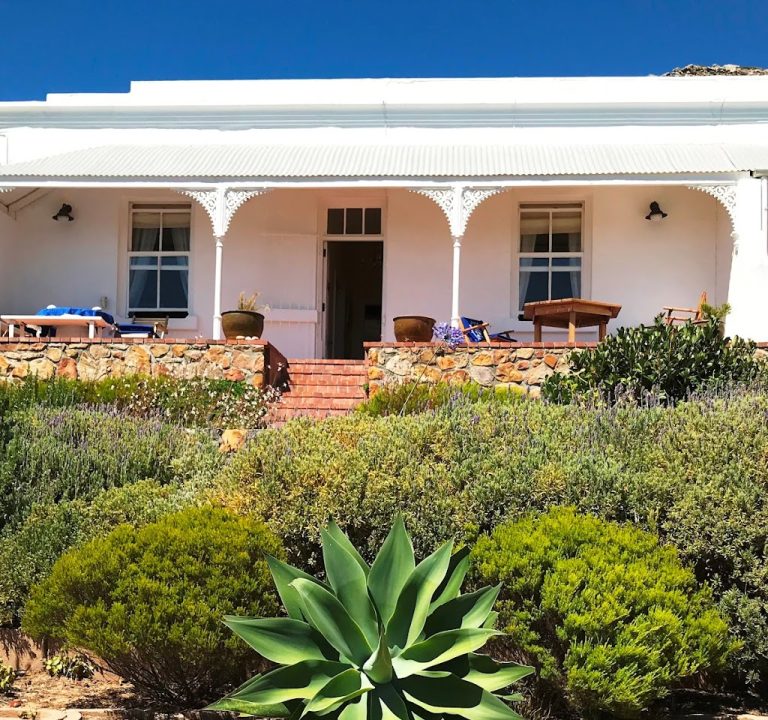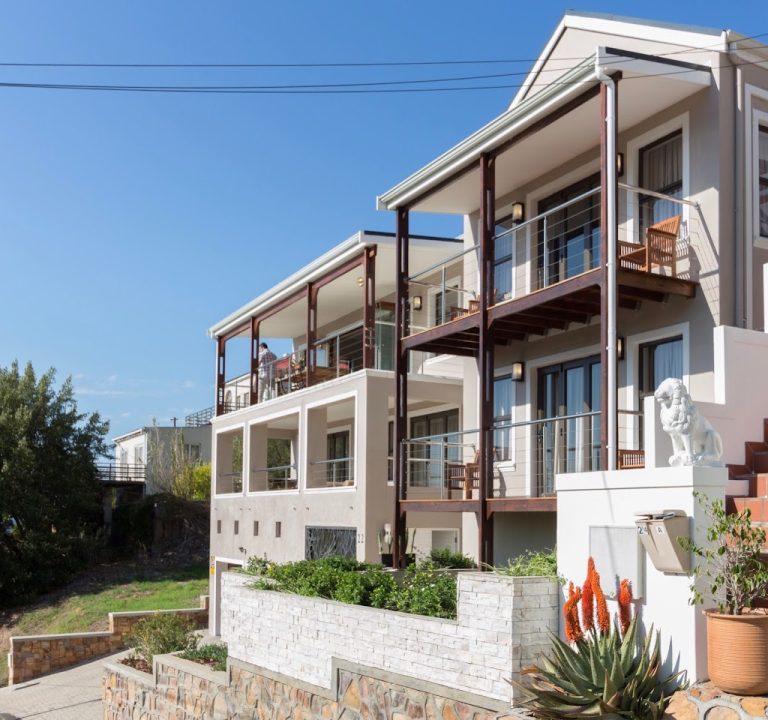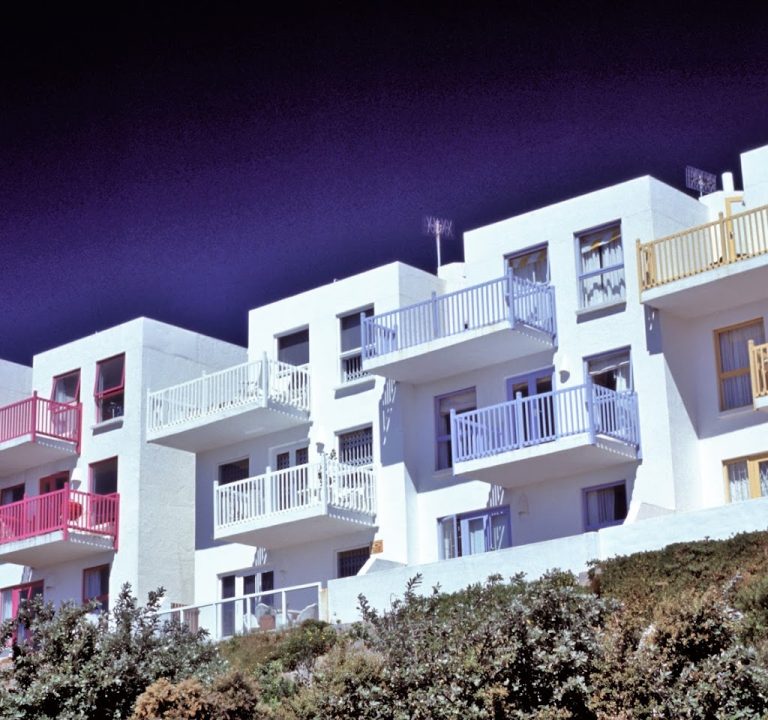
Simonsberg Self Catering is a Self-catering accommodation establishment in Cape Town, Western Cape, South Africa
About Simonsberg Self Catering: A Flexible Base in Cape Town
Simonsberg Self Catering stands as a practical option for travellers seeking an independent stay in Cape Town, within the Western Cape. The name itself signals a commitment to self‑defined stays, offering guests the freedom to come and go without adhering to strict meal times or hotel schedules. While specific room configurations and on‑site facilities are not detailed on the current site, the concept of self‑catering implies a focus on privacy, autonomy, and the kind of space that can suit both short city visits and longer breaks.
Situated in a remarkable city renowned for its dramatic coastline, iconic mountains, and diverse neighbourhoods, Simonsberg Self Catering is positioned to serve visitors who value flexibility and simplicity. A self‑catering stay can be particularly appealing for travellers who prefer to prepare their own meals, organise their days at their own pace, and tailor their routines to align with local exploration—from sunrise walks to late‑night returns without the constraints of restaurant bookings. The accommodation style is described in terms of self‑sufficiency rather than a fixed hotel experience, inviting guests to shape their stay around personal itineraries and preferences.
The appeal of self‑catering arrangements often lies in the range of possibilities they offer. Guests can expect the basic advantage of having control over meal times, snack choices, and kitchen use, along with the potential for a quieter, more private living space compared to traditional hotel rooms. For travellers who travel with friends or family and wish to split living spaces or enjoy shared time together in a comfortable living area, a self‑catering setup can be especially convenient. In addition, the flexibility of a self‑catering stay can align with varied travel plans—whether it involves early starts for sightseeing, late returns after long days of activity, or simply a desire to relax in a home‑away‑from‑home environment between excursions.
Because published details on accommodation types, room layouts, and on‑site amenities are not openly listed, prospective guests are encouraged to confirm the specifics directly through official channels. The absence of explicit information on the site suggests that potential visitors should review current listings carefully, noting what is offered in terms of living space, kitchen facilities, Wi‑Fi access, parking, and any shared or private facilities. When planning a stay, it is prudent to verify essential elements such as accessibility, pet policies, housekeeping arrangements, and any minimum stay requirements that may apply. A clear understanding of these aspects helps ensure a smooth and enjoyable experience in advance of travel.
Simonsberg Self Catering is likely to attract a wide range of travellers who value practicality and independence. It can be an appealing option for couples seeking a quiet base from which to explore the city, families aiming for a flexible schedule, or groups prioritising value and privacy over a traditional bed‑and‑breakfast layout. The self‑catering concept naturally resonates with those who prefer to set their own pace—whether that involves early mornings to catch panoramic views from nearby hills, or leisurely evenings spent in a comfortable living space after a day of discovery. The emphasis on a self‑driven experience positions the property as a convenient anchor for a Cape Town itinerary that blends urban exploration with opportunities to venture further afield to the surrounding countryside and coastal landscapes.
For guests planning a visit, practical travel tips can help maximise the experience. First, consult the official site or contact channels to confirm current offerings, access details, and any policies that may impact stay length or cancellation terms. Second, identify the surrounding area’s highlights and plan a route that makes the most of flexible dining and day‑trip options—an advantage of self‑catering stays is the ability to manage meals in line with daily adventures. Third, consider creating a balanced itinerary that alternates between iconic city sights and quieter, restorative moments in the property’s living space, ensuring a comfortable rhythm that suits the guest’s preferences.
Nearby highlights and experiences in Cape Town can vary widely, from nature‑driven explorations to cultural and culinary adventures. While specific local attractions in proximity to Simonsberg Self Catering are not detailed here, Cape Town’s broad appeal often includes access to renowned natural landmarks, vibrant districts, and a range of day‑trip possibilities. Guests can plan to uncover scenery, markets, and dining scenes that showcase the region’s richness, all while maintaining the flexibility that a self‑catering stay affords.
- Booking and travel considerations: verify current room configurations, facilities, and policies before arrival; confirm check‑in and check‑out procedures; review cancellation terms.
- Practicalities: plan your meals and shopping alongside daily sightseeing to maximise time and minimise complexity during the stay.
- Local exploration: in a city with diverse neighbourhoods and easy access to nature, structure an itinerary that blends outdoor activities with authentic Cape Town experiences.
For those ready to explore a flexible, independent stay in one of South Africa’s most dynamic cities, Simonsberg Self Catering offers a simple, unpretentious option to base an itinerary. The emphasis remains on providing a self‑driven experience that can adapt to individual travel styles, with the broader appeal of Cape Town as a destination that invites discovery, at any pace. Visitors are encouraged to verify the latest details through the official website and planning resources to ensure a smooth and enjoyable stay.
Website: Simonsberg Self Catering
Cape Town
Western Cape
Simon's Town
South Africa


Cape Town: A Guide to Accommodation, Attractions and Local Experiences
Cape Town offers a compelling mix of landscapes, architecture and culture, making it a rewarding base for travellers seeking both city life and nature. When planning a stay, think about which area will best suit your pace, interests and transport preferences. From the upscale Atlantic Seaboard with ocean views to the leafy Constantia wine route and the historic streets of the City Centre, each neighbourhood has its own character and practical considerations.
For those who value easy access to the waterfront, museums and a lively dining scene, the V&A Waterfront and Green Point/Central City areas are popular. If you want to feel closer to nature without sacrificing comfort, consider the foothills of the Table Mountain National Park or the bohemian charm of Bo-Kaap and Tamboerskloof. Families and longer stays often favour Constantia or the southern suburbs for self-catering options, larger living spaces and garden-friendly features. In contrast, Camps Bay and Clifton are ideal for beach lovers and travellers seeking dramatic coastal scenery, while Bantry Bay and Sea Point offer a balance of promenades and quieter palm-lined streets.
When booking, look for practical amenities that suit your itinerary. A well-equipped kitchen or kitchenette is invaluable for self-catering stays, as are reliable Wi‑Fi, comfortable sleeping arrangements, and a well‑posed living area. A dedicated parking space or easy street parking can save time, particularly if you plan day trips to the Cape Peninsula or the Cape Winelands. Air conditioning or efficient heating is worth considering for extreme seasons, and a view or outdoor space—be it a balcony, terrace or garden—adds a layer of relaxation after a day of exploring. If you’re travelling in peak months, a flexible cancellation policy and a succinct description of access to shared facilities (swimming pool, laundry, gym) can ease planning.
Self-catering options, such as apartments or houses, give you a home-from-home feel and often come with laundry facilities and private outdoor space. For example, self-catering properties can provide a handy base for family trips or longer stays, allowing you to explore local markets, cook with fresh ingredients and return to a comfortable, private environment. When you book, confirm whether the property offers warm hosts, tidy cleaning schedules, and a clear check-in process. For the sake of convenience, look for listings that include guest information packs with neighbourhood tips, transit options, and recommendations for local markets and eateries.
Transport in Cape Town is well supported by MyCiTi buses, which cover many popular routes, including the City Bowl, the V&A Waterfront and the Atlantic Seaboard. For broader flexibility, you may prefer renting a car, especially if you plan to visit the Cape Peninsula, the Constantia wine estates or the Cape Winelands. If you don’t wish to drive, many areas are walkable or served by ride-hailing apps. When choosing accommodation, consider how easy it is to access main roads, the proximity to bus stops or metro lines, and the availability of safe on‑site parking.
Best time to visit Cape Town tends to be during the Southern Hemisphere spring (September to November) or autumn (March to May), when the weather is mild and the city is less crowded. Winter (June to August) can be cooler and wetter, but it’s also when you’ll find fewer crowds and rich culinary experiences. Summer brings long days, outdoor markets and spectacular coastal scenery, yet you should book well in advance for highly sought-after beachfront stays. Regardless of season, outdoor activities such as Table Mountain cable car trips, visits to Kirstenbosch National Botanical Garden, penguin viewing at Boulders Beach, and scenic drives along Chapman’s Peak remain enduring highlights.
To make the most of your visit, consider combining a few distinct stays in different neighbourhoods. A few days near the city buzz can be balanced with a quieter segment in Constantia or near the Constantia Valley for wine and nature, then top it off with a coastal couple of days in Camps Bay or Sea Point. This approach helps you experience diverse sides of Cape Town without long daily commutes.
When researching accommodation, you may encounter various long‑form property descriptions and guest reviews. Read them critically: look for mentions of quiet rooms for restful nights, reliable housekeeping schedules, and well‑stocked kitchens, as well as proximity to cuisine hubs and supermarchés. The following is a handy example of a self‑catering option you can explore, which offers a practical base while you discover the city: Simonsberg Self Catering.
Food lovers will find Cape Town’s dining scene broad and approachable, with markets, casual eateries, and refined restaurants offering flavours from across the globe. In general terms, you’ll find fresh seafood, robust Cape Malay dishes, and modern South African plates that showcase local produce. If you’d prefer to stay in, many neighbourhoods host small cafés and bistros within easy walking distance of most self-catering options, providing convenient access to breakfast, coffee and a quick lunch before you head out to explore a new part of the city.
- Choose a neighbourhood that aligns with your pace and transport needs (city centre for accessibility, Atlantic Seaboard for beaches, Constantia for relaxed mornings and wine culture).
- Ensure essential amenities are included (kitchen facilities, reliable Wi‑Fi, parking, air conditioning or heating).
- Check access details (check-in instructions, self‑check‑in options, and nearby transit routes).
- Plan a mix of activities: nature at Table Mountain, cultural visits, and a coastal day trip along the Peninsula.
Cape Town rewards careful planning with a balance of iconic viewpoints, serene gardens and vibrant urban life. By choosing the right base, prioritising practical comforts, and pacing your days, you’ll create a memorable stay that truly captures the region’s remarkable variety.
Sorry, no records were found. Please adjust your search criteria and try again.
Sorry, unable to load the Maps API.
Why Claim Your Listing?
Claiming your listing on the B&B Finder directory website is a valuable opportunity for business owners. Here are five reasons why you should consider claiming your listings:
Control Over Business Information: By claiming their listing, business owners can ensure that all the information presented is accurate and up-to-date. This includes details such as contact information, address, pricing, and available services or amenities. Accurate information helps prevent customer confusion and improves overall satisfaction.
Enhance the Listing: Once a listing is claimed, owners can enhance it by adding more comprehensive information and rich media, like high-quality photos and videos. These additions can make the listing more attractive and engaging to potential customers, thereby increasing the likelihood of bookings.
Marketing Opportunities: Claiming a listing can also open up additional marketing opportunities. Owners may be able to participate in promotional campaigns, special offers, and other marketing activities organized by the directory. This can increase visibility and attract more customers to the business.