Staying in Cape Town: accommodation ideas, planning tips and experiences
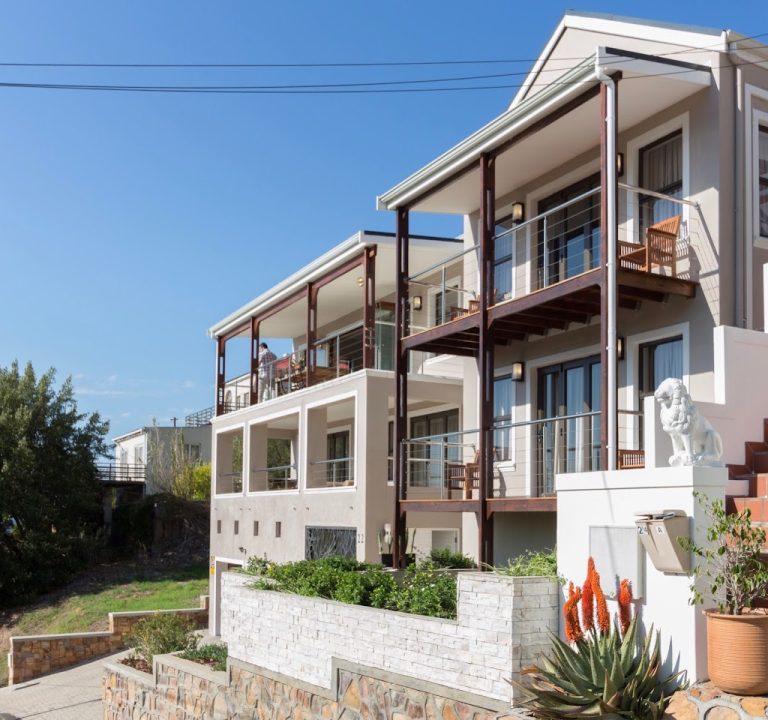
Cape Town is a city of contrasts, where ocean-front living meets mountain scenery and a rich blend of cultures. When planning a stay, travellers can choose from a wide range of accommodation, from stylish self-catering apartments to characterful guesthouses and contemporary hotels. StoneBrook Apartments provides a useful example of a self-catering option that combines privacy with easy access to the city’s highlights and nearby beaches.
Where to stay matters almost as much as what to do. The City Bowl keeps you close to historic neighbourhoods, cafés and the central business district, with quick access to the slopes of Table Mountain. The Atlantic Seaboard—think Camps Bay, Clifton and Sea Point—offers scenic ocean views, walkable promenades and a more resort-like feel. The Southern Suburbs are ideal for quiet leafy streets, family-friendly stays, and easy access to Kirstenbosch National Botanical Garden. Consider the vibe you want, distance to the main sights, and how you’ll get around, as Cape Town is best explored with flexible transport options.
Typical amenities to look for include self-catering facilities or kitchen access, reliable WiFi, secure parking, air conditioning or heating for variable coastal weather, and on-site parking if you plan to hire a car. Many guesthouses and boutique hotels provide breakfast or offer guidance to nearby cafés. For longer stays, a well-equipped kitchen, laundry facilities and a comfortable living area can make a big difference to your daily routine. If you prefer independence plus a sense of local character, a well-appointed self-catering apartment such as StoneBrook Apartments can balance convenience with privacy.
Booking considerations can help you get good value and a comfortable stay. These are worth checking before you confirm a reservation:
- Location relative to your planned activities and preferred neighbourhoods
- Transport links: proximity to main roads, MyCiTi bus stops, or car rental options
- Check-in and check-out flexibility, and whether reception is staffed after hours
- House rules, including guest capacity, noise policies and security measures
- Cancellation terms and refunds in case plans change
- Accessibility features if needed, such as lifts or step-free access
When it comes to transport, Cape Town’s public transit has improved over the years, with the MyCiTi bus network offering routes across the city and to some coastal wards. A car can be convenient for exploring the beaches and the Cape Peninsula, but parking can be tricky in the central areas and along the busy Atlantic coast during peak season. Ride-hailing services are a practical alternative for shorter journeys, particularly in the evenings when walking back from venues along busy streets can feel less comfortable. If you plan to explore beyond the city, organised day trips or a private driver can simplify coastal routes and save time.
Best time to visit Cape Town varies with personal preferences. The South African summer (November to February) brings longer days, warm seas and bustling outdoor activity, perfect for hiking, beaches and waterfront dining. Shoulder seasons—early spring and autumn—offer milder weather, fewer crowds and good value for accommodation. Winter (June to August) brings cooler seas and occasional rain, but museums, galleries and restaurant scenes remain vibrant, and the city can feel more intimate with quieter streets.
Accommodations can help shape your itinerary. In the City Bowl, you’re within easy reach of historic sites, markets and an array of eateries. The Atlantic Seaboard provides scenic runs along the coastline and access to iconic beaches, with a cosmopolitan mix of cafés and fine-dining venues. The Southern Suburbs offer green spaces, wine-tasting routes nearby and family-friendly options. No matter where you stay, plan a few standout experiences that reflect Cape Town’s diverse attractions: a morning cable-car ride or hike up Table Mountain (weather permitting), a harbour-side stroll at the V&A Waterfront, and a half-day visit to a nature reserve or coastal viewpoint. When choosing restaurants, look for venues that offer a range of local and international cuisines, with menus that showcase fresh seafood, vibrant produce and thoughtfully prepared meals. It’s common for travellers to pair a casual lunch by the sea with a more memorable dinner in a stylish, chef-led setting.
Practical tips for a smooth stay:
- Pack layers for variable coastal weather; it can be breezy near the water even on warm days
- Bring a power adaptor for South African sockets (Type M), and check that your electricity needs suit your accommodation
- Book major sights and peak activities in advance during high season to avoid disappointment
- Capture a day trip along the Cape Peninsula, including viewpoints and photo stops, but leave room for spontaneous discoveries
- Respect local safety guidance, especially when walking at night or in less busy districts
Cape Town rewards curious travellers with scenic beauty, a thriving culinary scene and a sense of discovery that few cities can match. Whether you opt for a self-catering apartment such as StoneBrook Apartments or a boutique guesthouse in a lively neighbourhood, planning around location, transport and seasonal dynamics will help you make the most of your stay. For more practical planning and ideas, the official tourism site offers practical guidance on routes, activities and local tips to tailor your itinerary to the time of year you visit.