Accommodation and Local Experiences in Cape Town, Western Cape
Cape Town is a diverse gateway to South Africa’s natural beauty, culture and cuisine. When planning a stay, it helps to consider the neighbourhoods that suit your style and rhythm. From the bustling V&A Waterfront to the leafy Constantia Valley, and from the coastal splendour of Camps Bay to the historic charm of Simon’s Town, there are options to match every budget and preference. For travellers seeking social atmosphere and affordable basecamps, well-run hostels and guesthouses can offer a warm introduction to the city and a social thread through your visit.
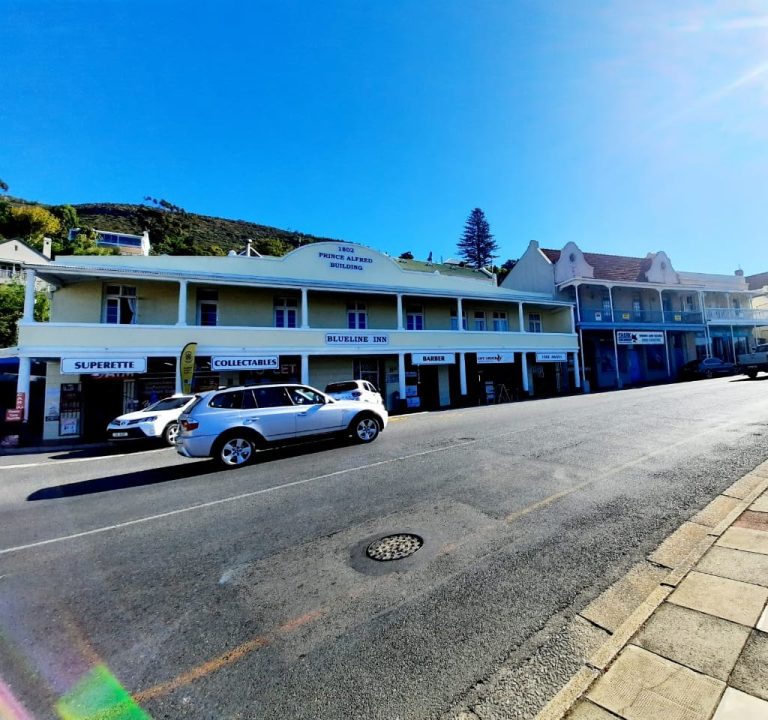
Accommodation in Cape Town ranges from boutique hotels with panoramic views to guesthouses tucked into quiet streets, and hostel dormitories with shared facilities. If your priority is easy access to sights, look for places near MyCiTi bus routes or close to a major railway line. If you prefer tranquil mornings and scenic drives, a coastal or valley setting with a pool can be appealing. When staying in Simon’s Town or along the False Bay coastline, you’ll find a more relaxed pace, with opportunities to explore naval history, penguin colonies and scenic coastal walks.
In terms of planning, consider how you will divide your days. A base near the City Centre or the Waterfront makes it easy to combine museums, markets and urban dining with evening strolls along the harbour. A stay in Camps Bay or Clifton provides beach access and sunset views, though peak seasons can be busier and prices higher. Constantia and Constantia Valley offer wine-tasting and forested winery lunches within a short drive of central Cape Town. For wildlife and maritime history, a stay around Simon’s Town or Kalk Bay can provide convenient access to penguin colonies and scenic coastal drives along Chapmans Peak.
Typical amenities you might expect include free Wi-Fi, self-catering facilities, communal kitchens, laundry access, secure storage for bags, and helpful guest information for local tours. A comfortable bed is important, but so is secure locking, good lighting, and a nearby bathroom. For travellers with a travel routine, a hostel or guesthouse with flexible check-in and clear house rules can smooth the transition between days of exploring and evenings of rest. If you value quiet areas, read reviews about room layout and sound insulation before booking.
Transport in Cape Town is reasonably straightforward, though some outings benefit from a car. The city has reliable bus networks and trains, with ride-sharing and taxis available in most areas. If you plan to rise early for a Table Mountain excursion or a coastal drive, check whether your accommodation offers early breakfast options or bagged lunch arrangements. Bike rental and guided walking tours are popular ways to discover city highlights, and some areas—especially in the Western Seaboard and Atlantic Seaboard—are particularly pleasant on bicycle-friendly routes.
For the best time to visit, Cape Town enjoys a Mediterranean climate with warm summers and mild winters. The summer season (roughly November to February) brings long days and beach-friendly weather, but it is also peak tourist season, so book well in advance and expect higher rates. Autumn (March to May) offers cooler, pleasant days and quieter streets. Winter (June to August) can be rainy and misty at times, yet it is perfect for wine-tasting in nearby Constantia and exploring the city’s cultural venues. Spring (September to October) brings blooming parks and a fresh energy. Shoulder seasons can be ideal for balancing price and weather, particularly for travellers who prioritise landscapes and fewer crowds.
When choosing a place to stay, consider the following practical tips:
- Proximity to the areas you plan to visit most often can save time and transportation costs.
- Check if breakfast is included or if a communal kitchen is available for self-catering.
- Read reviews focusing on cleanliness, staff helpfulness, and quiet hours.
- Ask about parking arrangements if you’re renting a car; some areas have limited street parking or permit systems.
- Evaluate access to local restaurants and markets, and whether the property has recommendations for safe evening walks.
Popular attractions in and around Cape Town are varied and can be enjoyed in almost every season. Iconic landscapes await at the top of a cable car ride up Table Mountain, while the Cape Peninsula drives reveal rugged coastlines and panoramic viewpoints. Robben Island offers sobering insights into South Africa’s past, accessible via ferry services. The nearby penguin colonies and shores of Simon’s Town provide family-friendly days out, while Kirstenbosch National Botanical Garden showcases Cape flora against a dramatic backdrop of mountains. If you’re hungry for a taste of the city, the dining scene ranges from classic Cape Malay courses to modern, seafood-forward menus and vibrant street-food culture. You’ll find a mix of casual eateries and refined dining within easy reach of most central or coastal bases.
Finally, consider booking through accommodation providers that offer clear information about services and access to experiences. Many venues partner with local tour operators to provide guided hikes, wine-tasting afternoons, and gentle harbour cruises. Whether you are staying in a sociable hostel such as a Simonstown-based option or a boutique guesthouse closer to the city, Cape Town rewards visitors with rich scenery, welcoming hospitality and a sense of discovery that makes a longer stay worthwhile. For more information and to plan your trip, you can visit the general tourism pages and individual property websites that cater to international travellers seeking value, comfort and authentic Cape Town experiences.