Accommodation and Experiences in Cape Town: Planning Your Stay in the Mother City
Cape Town in the Western Cape offers a rich blend of coastal scenery, world‑class dining and a wide range of places to stay, from intimate B&Bs to stylish hotels and self‑catering apartments. Whether you are drawn to dramatic mountain vistas, golden beaches, historic neighbourhoods or vibrant markets, planning ahead helps you maximise your time and enjoy a relaxed pace during your visit.
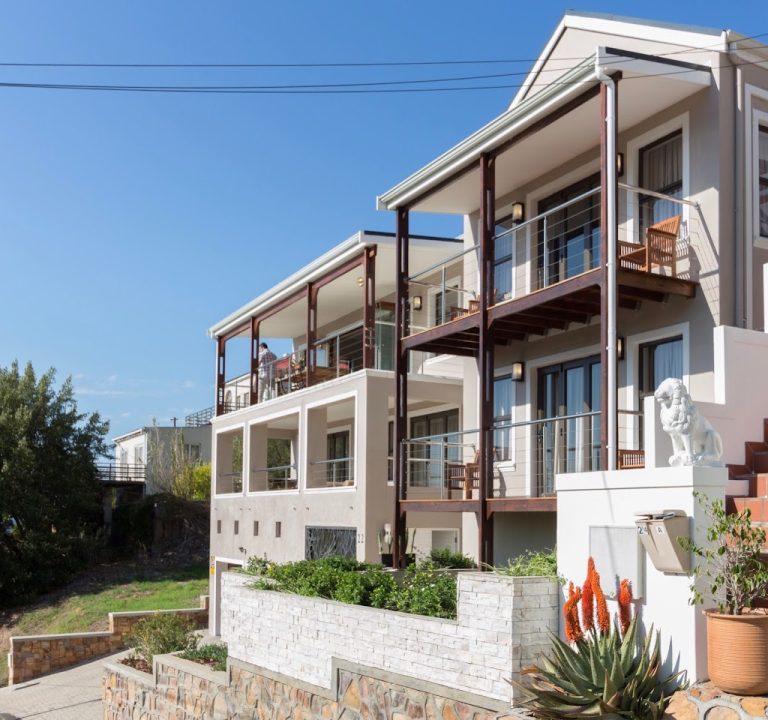
When considering where to stay, think about access to transport and the kind of neighbourhood that suits your plans. City Bowl and the central business district provide easy access to museums, theatres and a lively dining scene, while the Atlantic Seaboard and Camps Bay offer seaside views and sunset strolls. For wine lovers, a stay near the Constantia Valley or Stellenbosch is ideal for day trips. If you prefer a quieter, residential feel with proximity to nature, areas around Constantia or Green Point can be very appealing. Protea Point B&B is one example of the many guesthouse options available in the area, showcasing how B&Bs in Cape Town can pair intimate service with scenic locations. The key is to balance atmosphere, proximity to your must‑see sites and reasonable access to transport.
Typical accommodation types vary widely, but common features you can expect across well‑reviewed properties include comfortable rooms with en suite bathrooms, daily housekeeping, and secure access. Breakfast is a frequent inclusion at B&Bs and guesthouses, offering a chance to sample local flavours and plan your day. Hotels often provide additional amenities such as a 24‑hour reception, on‑site dining, housekeeping, and sometimes spa facilities or fitness areas. If you are booking a self‑catering unit or apartment, note the availability of a kitchenette and parking. When choosing, look for clear cancellation policies, accurate descriptions of room types, and recent guest reviews to gauge consistency in service and value.
To help you compare options, here are common facilities and services you might encounter:
- Free or paid Wi‑Fi throughout the property
- Inclusion of breakfast or access to shared kitchens
- On‑site parking or convenient public transport access
- Swim pools, terraces or garden spaces with views
- Air conditioning or heating and ample lighting
- Concierge or front desk services for tours and transport
Transport in Cape Town ranges from planned private transfers to public options and car hire. The city’s MyCiTi bus network and commuter rail links connect popular areas like the Waterfront, V&A precinct, and Sea Point with the city centre. If you plan to explore the Cape Peninsula or immerse yourself in wine regions, renting a car offers flexibility for day trips. For many visitors, a mix of a central stay with a few nights in a coastal district or Constantia helps balance urban energy with scenic escape routes. Check whether your accommodation offers parking, shuttle services, or information on reputable tour operators for organising trips to landmarks such as Table Mountain, the Cape Peninsula, and the Cape Winelands.
The best time to visit Cape Town depends on your priorities. December to February is peak summer with longer days and excellent beach weather, but it can be busy and pricier. March to May offers pleasant shoulder-season conditions with fewer crowds, cooler evenings, and ideal conditions for hiking and sightseeing. September to November brings spring flowers in the Cape region and milder temperatures, making it another attractive window for outdoor activities. Autumn and spring can be breezy, so packing a light layer for coastal winds is wise. If you plan to visit Robben Island, Table Mountain’s cableway, or hiking trails, check opening hours and seasonal maintenance windows in advance.
Dining and experiences around Cape Town run the gamut from casual markets to refined waterfront restaurants and hilltop eateries with sweeping vistas. You can expect a strong emphasis on fresh seafood, cured meats, artisanal cheeses, and a diverse array of global cuisines. Markets and street food hubs offer opportunities to sample local flavours, browse crafts, and meet residents in a relaxed setting. For a balanced itinerary, couple meals with active days—hiking a coastal trail, cycling along the Seapoint promenade, or wandering through gardens and viewpoints. If you enjoy wine and scenery together, a day trip to the Cape Winelands or Constantia Valley can be a highlight, with tastings and cellar tours that pair well with a scenic drive back to your hotel or guesthouse.
Practical planning tips to smooth your stay include booking with reputable properties that provide clear cancellation terms and transparent descriptions, confirming accessibility if you have mobility needs, and noting the area’s safety considerations and street‑level access at night. Pack versatile clothing for rapidly changing coastal weather, comfortable walking footwear for hills and promenades, and a universal adaptor for devices. While many attractions require advance tickets or timed entry, you will generally find a good mix of public and private options to suit different budgets and travel styles. For more inspiration and current travel ideas, you can explore official tourism resources and regional guides that offer updated itineraries, seasonal events, and dining recommendations across Cape Town and the Western Cape.
For further planning and ideas on where to stay and what to do, official Cape Town tourism resources and regional guides provide practical, up‑to‑date information. Their websites can offer detailed neighbourhood insights, current transport options, and suggested routes to make the most of your stay in this dynamic city by the sea.