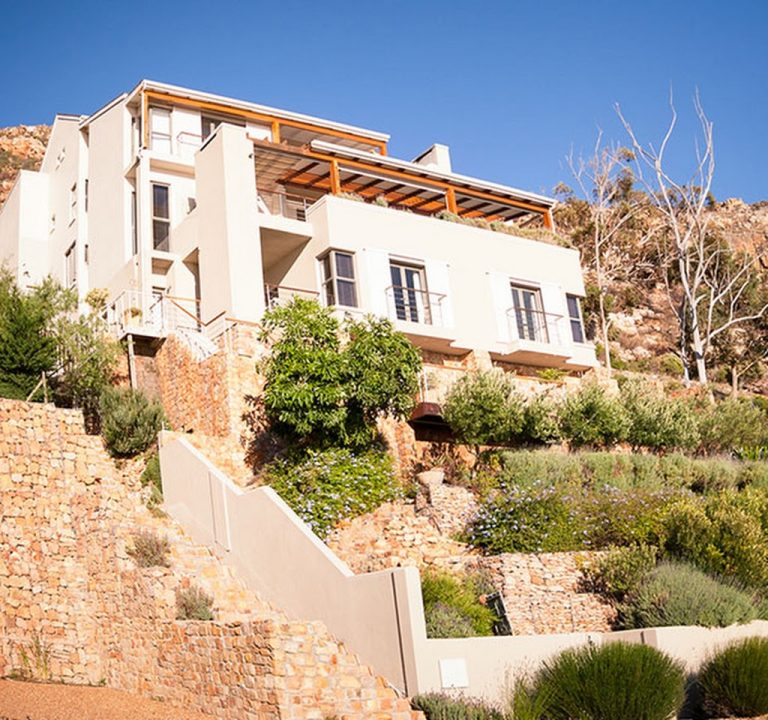
Cape Town: Where to stay and what to explore in the Western Cape
Cape Town combines drama, culture and a coastline to rival any city. When planning a stay, consider the different neighbourhoods that shape your experience: the bustling city bowls, the leafy Atlantic-facing suburbs, and the scenic peninsula that folds into nature. For self‑catering travellers, options range from cosy cottages to modern apartments, with many properties offering kitchens, private terraces and views that make you feel at home while you explore the region.
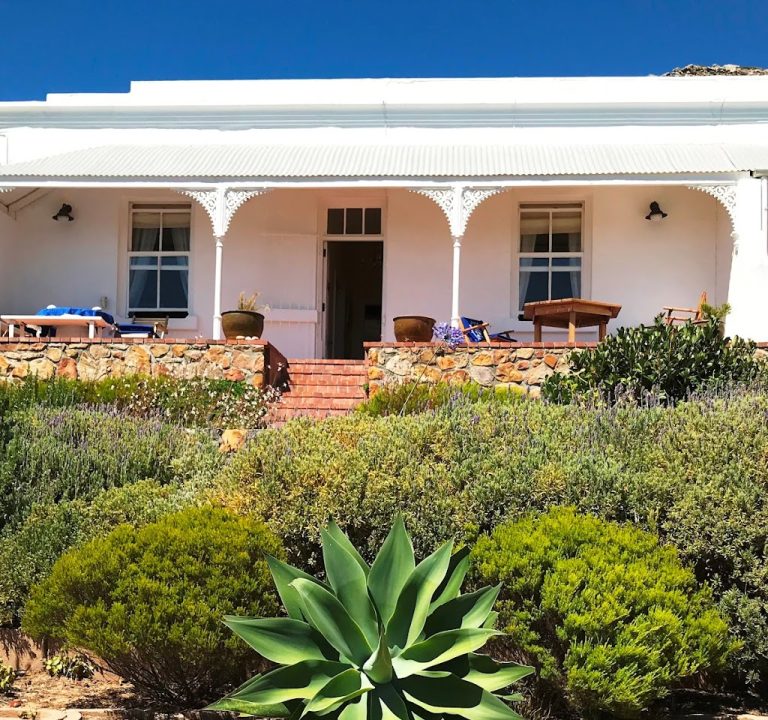
Self-catering options such as Cotton’s Cottage provide a practical base from which to discover Cape Town and the surrounding winelands. A well‑appointed unit typically includes a fully equipped kitchen, comfortable living space, secure parking where available, and convenient access to cafés and markets. When selecting a property, look for generous storage, clear Wi‑Fi information, and flexible check‑in arrangements. A private or semi‑private outdoor area can be especially appealing in warmer months, letting you enjoy breakfast with a mountain backdrop or an evening braai (barbecue) under the stars.
Areas to consider. The City Bowl offers easy access to museums, theatres and the central business district, while the Atlantic Seaboard features beaches and scenic drives along the coast. Constantia and the southern suburbs provide a quieter, leafy retreat with close proximity to vineyards and wine-tasting routes. If you want dramatic views and easy access to iconic peaks, the slopes around Table Mountain are hard to beat. For a more family‑friendly scene with green spaces and restaurants, consider the southern suburbs or the Cape Flats fringe with convenient transport links into the centre.
What to look for when booking. Start with transport links: proximity to MyCiTi bus stops or meter‑taxi access can save you time and expense. If you plan to drive, check parking arrangements and whether the property is in a secure area. Reading reviews about sound insulation, kitchen equipment and the responsiveness of hosts or management can help you avoid surprises. In Cape Town, weather can be a factor; look for indoor seating or heating options for cooler evenings, and ensure outdoor spaces have shade or shelter for sunny days. For longer stays, ensure there is a washer/dryer or access to a communal laundry in the building. If you intend to explore beyond the city, check how easy it is to reach the Cape Winelands, the Cape Peninsula, or nearby coastal towns by car or organised tours.
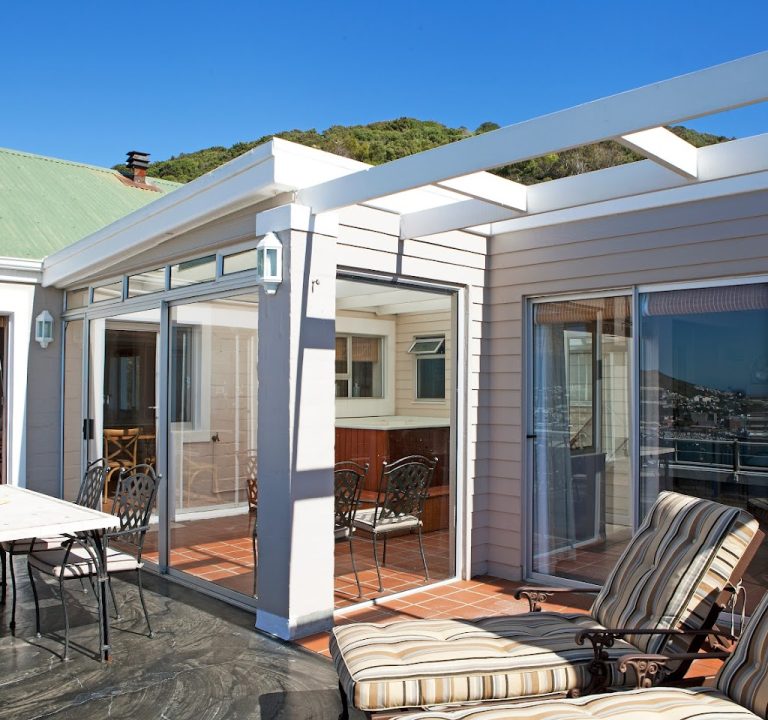
Typical amenities that make a stay comfortable. A well‑equipped kitchen with a stove, oven, fridge and enough utensils is essential for self‑catering. High‑quality bedding, sufficient storage, and a reliable hot water supply make a big difference after a day of sightseeing. Wi‑Fi is important for planning routes and staying connected, while a dedicated workspace is a nice touch for travellers who need to catch up online. Practical extras such as hairdryers, ironing facilities, and thoughtful local touches—like a starter supply of coffee, tea and basic condiments—can elevate a stay. For families, a cot or high chair and child‑proof features may be worth checking. If you plan to entertain or self‑host guests, a comfortable living area and a private patio or balcony add real value.
Transport and getting around. Cape Town is best explored with flexibility: renting a car provides freedom to chase sunrise views, drive along the Atlantic coast, or traverse to the winelands at your own pace. Public transport is improving but may be less convenient for some routes, so map your days in advance. Many self‑catering properties are within walking distance of cafés, grocers and bakeries, which is handy for light meals and fresh produce. If you rely on rideshare or taxis, factor in peak‑hour traffic around the city centre and the Constantia valley as you plan day trips.
Best time to visit. Cape Town enjoys temperate seasons, but the climate can shift quickly. Spring (September to November) and autumn (March to May) offer pleasant temperatures, blooming gardens, and fewer crowds. Summer (December to February) brings longer days and hive‑activity around the harbour and beaches, though it can be busy and windy. Winter (June to August) is cooler and wetter, but the scenery is dramatic, particularly around Table Mountain and the Atlantic coast. Pack layers, sunscreen, and comfortable walking shoes for hillier districts.
Attractions and dining in general terms. Within easy reach of most accommodation, iconic landscapes and experiences await. To make the most of your stay, balance nature‑driven days with cultural and culinary explorations: a morning hike up a mountain plateau or coastal walk, followed by a visit to markets, galleries and museums. While exact restaurant names and prices vary, Cape Town offers a diverse dining scene—from casual seaside eateries to refined dining rooms that showcase local produce, seafood and world flavours. For a day trip, consider the dramatic cape point routes or a coastal drive that threads along the back of the peninsula, with viewpoints and beaches along the way. Always hydrate, prepare for sun exposure, and respect local guidelines for beach and park use.
Practical tips for a smooth stay. Book early for peak months and keep an eye on cancellation policies that suit flexible travel plans. Confirm access details with your host ahead of arrival, and note any special instructions for self‑check‑in. Pack an adaptable wardrobe to cover hot days and cooler evenings, especially near the waterfront or high‑altitude viewpoints. For sustainability, bring a reusable bottle, choose local markets for groceries, and support neighbourhood eateries and small retailers. A well‑planned itinerary that balances rest with discovery will help you enjoy Cape Town’s extraordinary mix of urban life and natural beauty, while ensuring your stay is comfortable, convenient and memorable. For more information on Cotton’s Cottage and similar self‑catering options, visit the property’s website: http://cottonscottages.com/
- Consider near‑centre bases for easy access to attractions and dining
- Check kitchen facilities and storage for longer stays
- Plan a mix of day trips and local exploration to avoid fatigue