Accommodation and Experiences in Cape Town, Western Cape
Cape Town blends dramatic scenery with warm hospitality, making it one of the most crave-worthy destinations in South Africa. Whether you are seeking a stylish boutique stay, a family-friendly guesthouse, or a modern apartment with sea views, there are plenty of options to suit different priorities and budgets. When planning a visit, consider which neighbourhoods best align with your plans, the pace you want, and how you’ll move around the city.
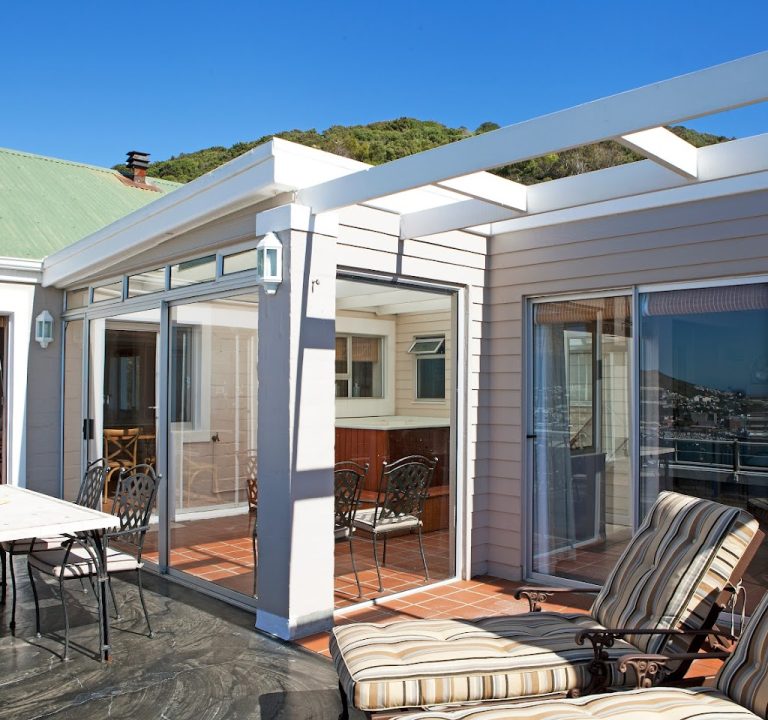
Bay Splendour would sit comfortably among boutique stays that prioritise comfort and character, offering a convenient base from which to explore. The key to a good linen-and-breakfast stay or a well-equipped guesthouse is thoughtful touches: a generous breakfast, attentive self-service facilities, secure parking, and reliable wifi. For longer stays, an apartment or guesthouse with a kitchenette can make a big difference, while those chasing a passport-stamped panorama will value a room with a view of the ocean or dramatic cliffs.
When selecting where to stay, think about access to transport and distance to the attractions you most want to visit. Cape Town is compact but hilly, and many sights are spread across several neighbourhoods. A central location in the City Bowl or near the V&A Waterfront offers easy access to urban amenities, markets, and dining, while the Atlantic Seaboard and Camps Bay provide beachside ambience and spectacular sunsets. Constantia and the Southern Suburbs are ideal for wine estates and leafy walks, with a more relaxed pace and additional parking options.
Typical amenities to look for include secure parking or easy access to public transport, a comfortable lounge or shared spaces, reliable housekeeping, and options for self-catering. A small kitchen, a fridge with essentials, a coffee station, and laundry facilities can make a big difference for longer stays. Consider properties that offer convenient check-in, clear house rules, and proximity to eateries and supermarkets. If you rely on public transport, check how far the accommodation is from the MyCiTi bus routes or taxi services, and whether there are pedestrian-friendly routes to the top sights.
Best time to visit Cape Town depends on what you seek. Summer (roughly November to March) brings warm days, long beaches, and lively outdoor scenes, but it is also peak tourist season. Winter (June to August) is cooler and rainier, yet the city remains vibrant with cultural events and fewer crowds. Shoulder seasons in spring and autumn offer milder weather and good value for accommodation. If you plan outdoor activities like hiking or a visit to the Kirstenbosch Gardens, mornings tend to be clearer, with the possibility of sea breezes along the coast later in the day.
Transport around Cape Town is manageable for many travellers. The city has a dependable bus network and ride-hailing options that are convenient for short hops between sights. If you plan to explore the surrounding areas—such as the Cape Point nature reserve, the Constantia wine route, or penguin-friendly beaches near Simon’s Town—renting a car gives you maximum flexibility. For stays close to the water, a walkable neighbourhood can be a superb way to soak up atmosphere and discover small cafés, bakeries, and markets.
When exploring attractions, you’ll find a mix of natural splendour and cultural corners. Iconic viewpoints and Table Mountain are best enjoyed with spare time for queuing and weather windows; many visitors book a cable car ride to avoid strenuous climbs. The city’s harbourside areas offer leisurely waterfront promenades, with a range of dining options that highlight seafood, grilled fare, and modern international flavours. Museums and historic sites provide context to the city’s rich past, while botanical gardens and nature reserves offer serene escapes from urban bustle. For a flavour of local life, explore markets and street-food stalls in the city’s central districts, where you can sample a spectrum of foods and find handcrafted goods as souvenirs.
Food is a highlight in Cape Town, with choices ranging from coastal seafood shacks to refined dining. You’ll find restaurants that celebrate fresh produce, Mediterranean-inspired dishes, and flavourful South African favourites. If you are seeking convenience, many properties publish guest-curated recommendations for daily meals or nearby eateries. To keep evenings relaxed, choose a stay that offers easy access to a mix of casual cafés and more sophisticated venues, so you can tailor experiences to your energy levels after a day of sightseeing.
Practical planning tips for a smooth stay:
- Book accommodations with flexible cancellation policies where possible, especially for shoulder seasons.
- Request a room away from busy streets if you prefer quiet nights, or choose a property with good sound insulation.
- Check for secure storage for luggage if you arrive earlier than check-in or depart late in the day.
- Pack layers to adapt to changing coastal climates and breeze from the Atlantic.
- Consider a mix of activities: a day in nature, a day in the city, and one day for a wine-tasting excursion to balance pace.
Cape Town rewards those who plan with flexibility and curiosity. By choosing a well-situated base, weighing transport options, and blending mountain, sea, and city experiences, your stay can capture the region’s dramatic contrasts and warm, welcoming hospitality. Whether you rest in a cosy guesthouse near the buzz of the urban core or enjoy a serene stay close to the coastline, you’ll find that every day offers new scenery, new flavours, and new reasons to linger in this exceptional corner of the world.