Cape Town: Practical stay, attractions and dining ideas
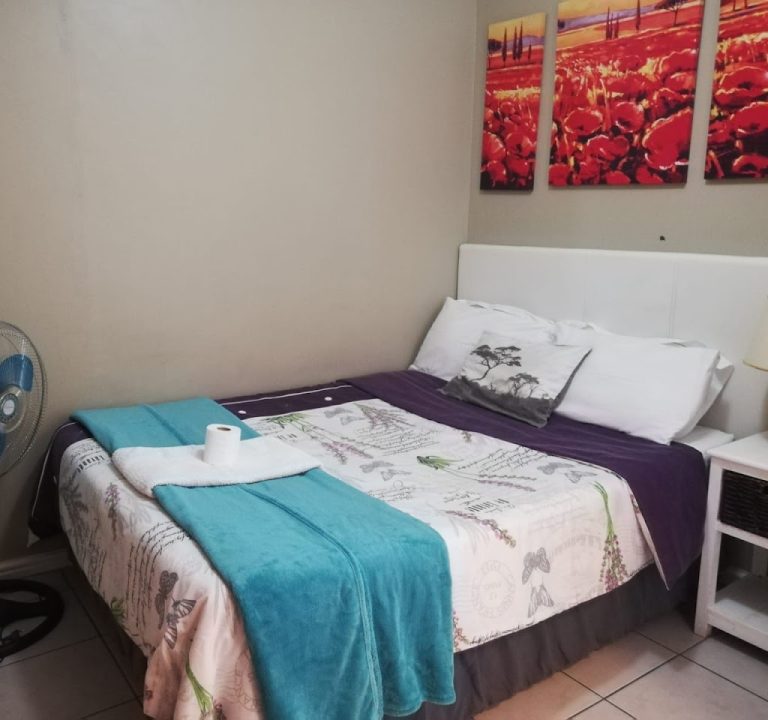
Cape Town is a destination that blends dramatic natural beauty with a rich cultural tapestry. When planning a stay, many travellers weigh the neighbourhoods, pace of a stay, and the type of accommodation that best fits their plans. Cape Town offers a spectrum from cosy homestays and guesthouses to boutique hotels and self‑catering apartments, each with its own character and advantages. A homestay such as Sikelela guesthouse can provide a welcoming, community‑minded base for exploring the city while giving a flavour of local life.
Area selection is key to getting the most from your visit. The V&A Waterfront area is convenient for first‑time visitors who want easy access to harbour walks, museums and harbour views, with a range of dining and shopping options nearby. The City Bowl and De Waterkant offer more urban rhythms, with cafés, markets and a mix of guesthouses and boutique properties within walking distance of top sights and parks. For beaches and dramatic scenery, planning to stay along the Atlantic Seaboard or Constantia can provide easy access to coastline, mountains and wine estates. If you prefer a quieter, residential feel with proximity to nature, southern suburbs and the slopes of Table Mountain’s foothills can be ideal, often with quieter streets and a more local atmosphere.
When booking, there are several features worth prioritising. Look for a host or property that clearly communicates house rules, check‑in procedures, and what is included in the rate (breakfast, housekeeping, parking, Wi‑Fi, and access to common spaces). If you choose a homestay such as a guesthouse, consider how the arrangement suits your travel style—whether you want a shared living space with conversation and local tips, or a private room with more privacy. For self‑catering options, ensure there is a well‑equipped kitchen and clear information about public transport and nearby shops. Reviews from recent guests can be especially helpful in assessing cleanliness, consistency, and the responsiveness of hosts.
Typical amenities across Cape Town’s accommodation landscape include comfortable beds with good linen, reliable Wi‑Fi, heating or cooling depending on the season, secure parking or easy transport links, and access to common areas such as lounges, terraces or gardens. Breakfast options vary—some homestays offer a generous home‑cooked start, while many guesthouses provide continental or buffet choices. For longer stays, a kitchen or kitchenette can be very practical, while some properties offer added touches such as laundry facilities or personalised city guidance from hosts. If you have mobility needs, confirm stair access, lift availability, and bathroom configurations in advance.
Transport is often as important as the accommodation itself. Cape Town has several public and private options: the MyCiTi bus network is relatively straightforward in central areas and along major routes, with ride‑sharing services widely available. If you plan to explore beyond the city centre or into wine country and peninsular beaches, renting a car provides flexibility, though parking in busy parts of the city centre can be challenging. Many guesthouses and hotels can advise on safe parking arrangements or offer limited on‑site spaces. For day trips to tourist hubs such as Stellenbosch, the Cape Peninsula, or coastal towns, you may also find guided tours or transfer services that suit your itinerary and budget.
The best time to visit Cape Town generally follows a temperate climate. The peak tourist season runs from December to February, when dry, sunny days are common and beaches are lively. Spring (September to November) and autumn (March to May) offer pleasant conditions with fewer crowds and milder temperatures, ideal for hiking Table Mountain, visiting markets, and enjoying wine estates. Winter (June to August) can be cooler and wetter, but the city often remains lively with indoor attractions, museums and excellent dining experiences. If you plan to hike or do outdoor activities, check local weather and mountain conditions and consider flexible plans in case of rain or strong winds.
Practical tips for a smooth stay include booking early for popular periods and considering a neighbourhood that aligns with your interests—be it beaches, markets, or hillside viewpoints. Pack layers for rapid weather changes, especially if you plan to take the cable car, hike in the mountains, or enjoy evening dining. It is wise to budget for meals beyond breakfast, with a range of eateries offering casual cafés, fine dining and casual bistros—many in the city bowl, along the Atlantic Seaboard, and near the V&A Waterfront. When planning itineraries, include a mix of iconic sights and lesser‑known experiences, such as local markets, street art walks, and scenic viewpoints that offer a sense of place without overloading a single day.
In terms of experiences, visitors can mix scenic beauty with cultural exploration. Natural attractions such as coastal vistas, harbour walks, scenic drives, and the iconic Table Mountain backdrop provide timeless settings for photography and contemplation. Cultural highlights can range from museums and galleries to neighbourhood eateries, markets and winery experiences a short drive from the city centre. For those seeking culinary adventures, the region’s restaurants often emphasise fresh, local produce and seasonal flavours, offering a spectrum from casual meals to sophisticated tasting menus without needing to travel far from your chosen base.
Whether you choose a homestay like Sikelela guesthouse or a boutique hotel, Cape Town invites guests to design a balanced itinerary that aligns with their pace and interests. By choosing a well‑located base, understanding what is included in your stay, and planning transport and activities with flexibility, you can enjoy a memorable stay that captures the city’s energy, scenery and hospitality. For more information about specific accommodation options, consider checking individual property pages or travel guides, and always verify current opening times for attractions, as these can vary seasonally.