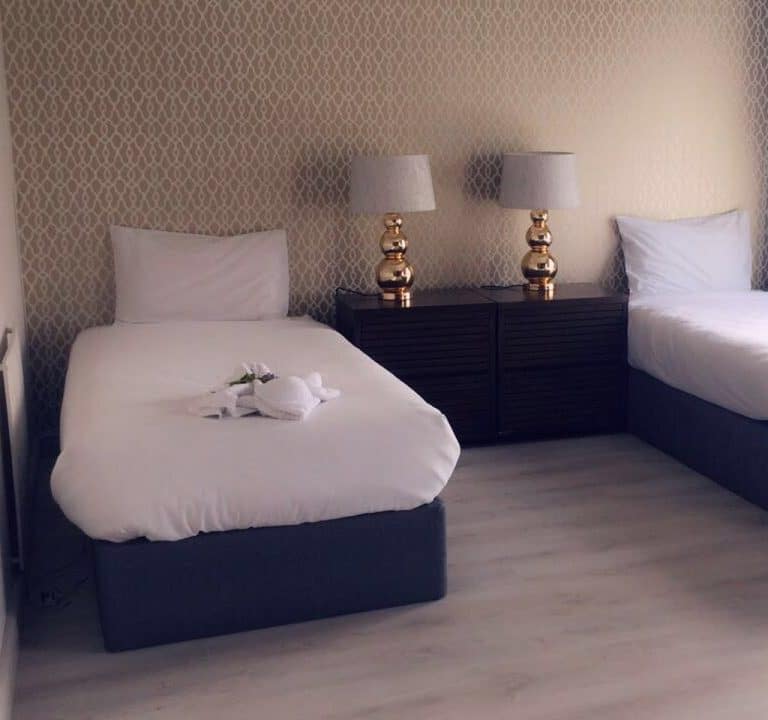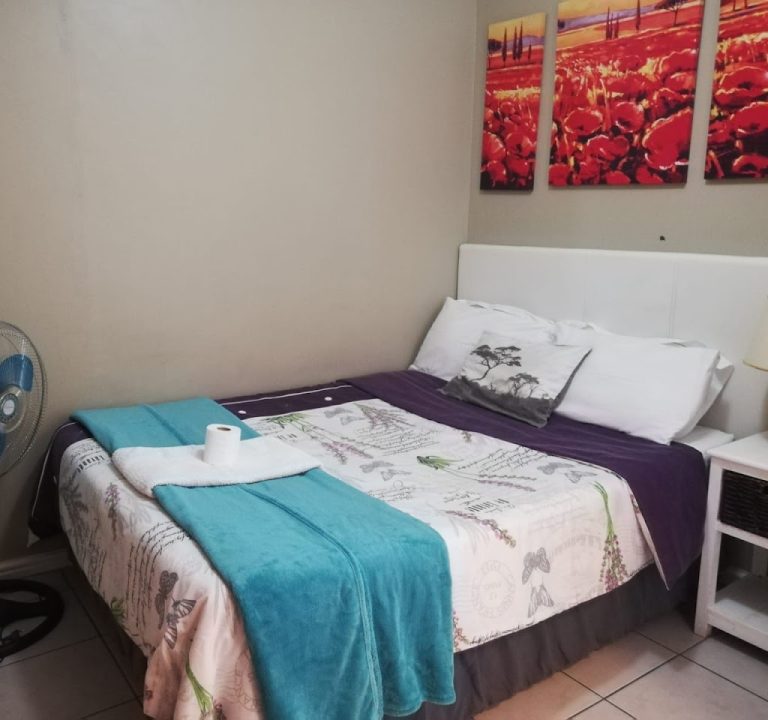
DMK GUESTHOUSE is a Guest house establishment in Cape Town, Western Cape, South Africa
DMK GUESTHOUSE in Cape Town, Western Cape — An Overview
DMK GUESTHOUSE is situated in Cape Town, a city renowned for its dramatic landscapes, cultural richness, and year-round appeal for travellers seeking a comfortable and convenient base in the Western Cape. The establishment’s online presence, as accessed through the linked site, currently returns a 404 error, which means that specific details about the property’s accommodation, amenities, policies, and booking information are not available for verification at this time. In such a scenario, it remains possible to offer a general sense of what visitors might expect from a guesthouse experience in this part of South Africa, while encouraging prospective guests to revisit the official site or contact the property directly for the most up-to-date information.
When exploring a guesthouse in Cape Town, guests commonly look for a blend of practical comforts and local flavour. A typical stay may focus on a clean, well-maintained sleeping space, welcoming communal areas, and a friendly, attentive atmosphere. For travellers arriving from international or domestic origins, accessibility and proximity to key city sights often play a central role in decision-making. While the exact room configurations, bed options, and in-room amenities for DMK GUESTHOUSE are not stated on the current page, guests generally appreciate clear descriptions of room types, ensuite facilities, and available conveniences such as Wi‑Fi, air conditioning, secure parking, and space for work or relaxation after a day of exploring the peninsula and surrounding locations.
In terms of style and ambience, guesthouses in Cape Town frequently aim to balance a local, homely feel with practical functionality. Prospective guests might expect warmly decorated spaces, a relaxed common area for socialising or planning day trips, and a breakfast service or self-catering options that help travellers optimise their time. Given the absence of detailed information on the linked page, DMK GUESTHOUSE’s exact design language or distinguishing features remain unspecified. Still, the general appeal of Cambridge-town–area stays typically includes easy access to public transport routes, proximity to popular neighbourhoods, and a neighbourhood atmosphere that offers a sense of place beyond the hotel corridor experience.
For whom DMK GUESTHOUSE may be best suited, the typical guest profile for Cape Town guesthouses includes solo travellers seeking value and convenience, couples wanting a cosy and intimate setting, or small groups looking for a more homelike alternative to larger hotels. The lack of visible details makes it prudent to approach with an open mind: many guesthouses in this category can accommodate different travel styles, with potential options for compact, budget-friendly rooms as well as more comfortable suites. Visitors should verify current availability, room configurations, and any on-site services directly with the property or through the official booking channel linked on the site.
Nearby highlights in the Cape Town region span a wide spectrum, from iconic natural landmarks to vibrant urban experiences. While the exact distance and access will depend on DMK GUESTHOUSE’s precise location within the Cape Town metropolitan area, guests commonly explore Table Mountain and the cableway, the V&A Waterfront with its mix of shops and eateries, the Kirstenbosch National Botanical Garden, and the scenic coastal stretches of Clifton and Camps Bay. Excursions into the Cape Peninsula, the Cape Winelands, and informal neighbourhood walks to discover local eateries and markets are also popular ways to enjoy the region. When planning a stay, verifying proximity to transport hubs, local attractions, and dining options can help maximise time and minimise travel stress.
Booking and travel tips for a stay at a guesthouse in Cape Town include a few practical considerations. Potential guests should:
- Check current availability and specific room types through the property’s official website or the booking link referenced there.
- Clarify included amenities (such as breakfast, Wi‑Fi, parking, and access to shared spaces) to ensure the arrangement meets personal needs.
- Ask about policies on flexible cancellations, deposits, and accessibility to ensure a smooth planning process.
- Consider the neighbourhood when planning daily itineraries, balancing the desire for a bustling city environment with quieter surrounding streets.
- Plan ahead for peak travel periods in Cape Town, particularly in seasons with higher visitor numbers, to secure suitable accommodation.
For travellers who wish to learn more or secure a stay, the best next step is to review the official site at the provided URL: https://dmk-guesthouse.business.site/?utm_source=gmb&utm_medium=referral. While this particular page may not currently offer the full spectrum of details, the site remains the primary channel for updates, photos, and any direct booking options. Additional inquiries can often be directed through the same platform, and search results may point to alternative contact routes or related listings within the same vicinity.
Cape Town
Western Cape
7441
South Africa

Cape Town: A Guide to Accommodation, Attractions and Local Experiences
Cape Town is a city of remarkable contrasts, where dramatic coastlines meet lush winelands and a rich cultural mix informs its hospitality. When planning a stay in the Western Cape, consider a mix of neighbourhoods to balance iconic sights with quiet, convenient bases. A guesthouse such as DMK GUESTHOUSE provides a friendly, homely option that can feel like a home away from home while you explore the region.
Accommodation in Cape Town ranges from stylish city stays to coastal retreats and tranquil countryside lodges. In the City Bowl and near the V&A Waterfront you’ll find contemporary boutique hotels and guesthouses that place you within easy reach of museums, galleries, markets, and a vibrant dining scene. If you prefer sea views and easy beach access, the Atlantic Seaboard, including areas close to Camps Bay and Clifton, offers sunny days and a promenade stroll. For wine lovers and nature seekers, Constantia and the southern suburbs provide leafy streets, gracious guesthouses, and a gateway to superb wine estates and hiking trails. Budget-conscious travellers can still secure comfortable stays in central areas with easy access to transport links.
What to look for when booking a place to stay:
- Location relative to the sights you want to see and how you plan to get around.
- Access to reliable public transport or easy parking if you’ll hire a car.
- Guesthouse or hotel amenities that suit your needs, such as breakfast options, laundry facilities, and safe storage for luggage or equipment.
- Safety, especially if you plan to walk at night; look for well-lit entrances, secure entry, and neighbourhood guidance.
- Cancellation policies and flexibility, particularly if travel plans are subject to change.
Typical amenities you might encounter include ensuite bathrooms, air conditioning or portable cooling, Wi‑Fi, self-catering facilities, and communal spaces like a lounge or garden. Some properties offer organised tours, airport transfers, or recommendations for local experiences such as coastal walks, markets, and scenic drives. Check whether breakfast is included and whether it is a full hot breakfast or lighter options; many guesthouses in Cape Town pride themselves on using locally sourced ingredients and offering a flavour of regional cuisine.
Transport and getting around are straightforward but vary by area. In central areas, you can stroll to attractions, museums, and eateries, with Uber and other ride-hailing services commonly available. The MyCiTi bus network serves popular routes around the city and coastal suburbs, though schedules can vary, so it’s wise to plan in advance. If you’re based closer to the Cape Town Stadium or the Waterfront, a short ride can connect you to the city centre and other neighbourhoods. For day trips to the Winelands or Table Mountain National Park, many guesthouses offer guided tours or can arrange reliable private transport. If you’re driving, be mindful of peak traffic times and parking arrangements at your chosen area.
The best time to visit Cape Town depends on what you want from your trip. Summer (December to February) brings sunshine and lively beach scenes, though it can be busier and more expensive. Autumn (March to May) offers cooler days, fewer crowds, and pleasant hiking weather. Winter (June to August) is milder than European winters, with occasional rain; it’s a great time for indoor cultural activities and the city’s dining scene. Spring (September to November) brings blooming jacarandas, comfortable temperatures, and plenty of outdoor activities. If your trip revolves around outdoor exploration, shoulder seasons often provide a balance of milder weather and quieter streets.
Attractions and experiences in Cape Town span natural wonders, history, and culture. Natural highlights include iconic viewpoints, coastal walks, and the surrounding mountains. Within easy reach are national parks, nature reserves, and scenic drives that reveal the region’s varied landscapes. Cultural experiences range from museums and galleries to markets, craft workshops, and food experiences that reflect Cape Malay, African, and global influences. While exact names, prices, and awards are subject to change, planning around the coastline, a cable car or summit walks, and a guided township or neighbourhood tour can offer meaningful insights into the city’s heritage and daily life.
When exploring dining options, you’ll encounter a broad spectrum from casual cafés and colourful bistros to elegant restaurants showcasing local and international flavours. Many locations emphasise fresh, seasonal produce and locally sourced ingredients. It’s common to find restaurants with celebratory seafood dishes, meat and vegetarian options, and vibrant dessert and coffee culture. To get the most out of your meals, consider booking ahead during peak periods and exploring neighbourhood favourites beyond the well-trodden paths.
For travellers seeking a welcoming base with easy access to Cape Town’s sights and day trips, DMK GUESTHOUSE offers a convenient option in a well-connected part of the city. Learn more about the guesthouse and its availability at its official website: https://dmk-guesthouse.business.site/?utm_source=gmb&utm_medium=referral
Practical tips to wrap up your planning: pack layers for variable coastal weather, bring a comfortable pair of walking shoes, and schedule some buffer time for popular attractions that may require queues or timed entry. A light map or offline travel app can help you navigate streets and plan routes between accommodation, eateries, and viewpoints. With thoughtful planning, you’ll enjoy a memorable Cape Town stay that blends scenic splendour with warm hospitality, delicious food, and enriching local experiences.
Sorry, no records were found. Please adjust your search criteria and try again.
Sorry, unable to load the Maps API.
Why Claim Your Listing?
Claiming your listing on the B&B Finder directory website is a valuable opportunity for business owners. Here are five reasons why you should consider claiming your listings:
Control Over Business Information: By claiming their listing, business owners can ensure that all the information presented is accurate and up-to-date. This includes details such as contact information, address, pricing, and available services or amenities. Accurate information helps prevent customer confusion and improves overall satisfaction.
Enhance the Listing: Once a listing is claimed, owners can enhance it by adding more comprehensive information and rich media, like high-quality photos and videos. These additions can make the listing more attractive and engaging to potential customers, thereby increasing the likelihood of bookings.
Marketing Opportunities: Claiming a listing can also open up additional marketing opportunities. Owners may be able to participate in promotional campaigns, special offers, and other marketing activities organized by the directory. This can increase visibility and attract more customers to the business.