Livingsound Stay: A Guide to Accommodation and Experiences in Cape Town
Cape Town blends dramatic scenery with a vibrant urban edge, making it one of the most journey-worthy destinations in South Africa. When planning a stay, choosing the right neighbourhood and a comfortable base can transform a visit—from scenic mornings on the Waterfront to sunset drinks on the Atlantic Seaboard. Whether you’re seeking boutique charm, family-friendly stays, or a modern hotel experience, Cape Town offers options that suit a wide range of tastes and budgets.
Areas to consider include the City Bowl for easy access to museums, markets and restaurants; the V&A Waterfront for harbour views and convenient transport links; and the Atlantic Seaboard from Sea Point to Camps Bay for beaches and dramatic coastal scenery. Constantia offers a more tranquil, countryside feel with proximity to wine routes, while Green Point and De Waterkant provide a cosmopolitan atmosphere close to the city’s main attractions. For a leafy, residential vibe with hillside panoramas, consider Klaasesdam or the Constantia Valley as alternatives to the busier centres.
When booking, think about what you want to be close to. Do you prioritise views over convenience, or proximity to the city centre versus quieter streets? Check the ramp or lift access if you have bulky luggage or mobility concerns, and confirm whether a property offers on-site parking, which can be scarce in peak seasons. Look for essential amenities such as reliable Wi‑Fi, a well-equipped kitchen or kitchenette, air conditioning for warm months, and adequate heating for the cooler season. A generous self-catering option can be invaluable for families or longer stays, while many travellers prefer a hotel with daily housekeeping, reception services, and hot breakfast options.
From a practical standpoint, transport plays a major role in navigating Cape Town. The MyCiTi bus network covers many parts of the city, but some routes are more extensive than others. In prime tourist zones, Uber and local ride-hailing services are widely used for short trips, while car hire offers maximum flexibility for exploring the Cape Peninsula, wineries, and nature reserves at your own pace. If you plan to visit popular outdoor sights, consider staying near a convenient transport hub or with easy access to a park-and-ride scheme to save time and effort during peak periods.
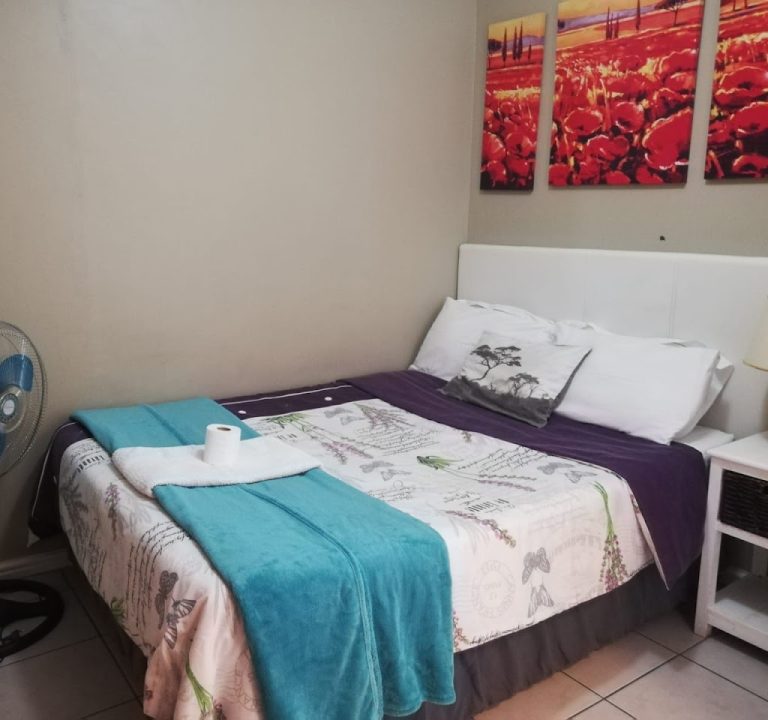
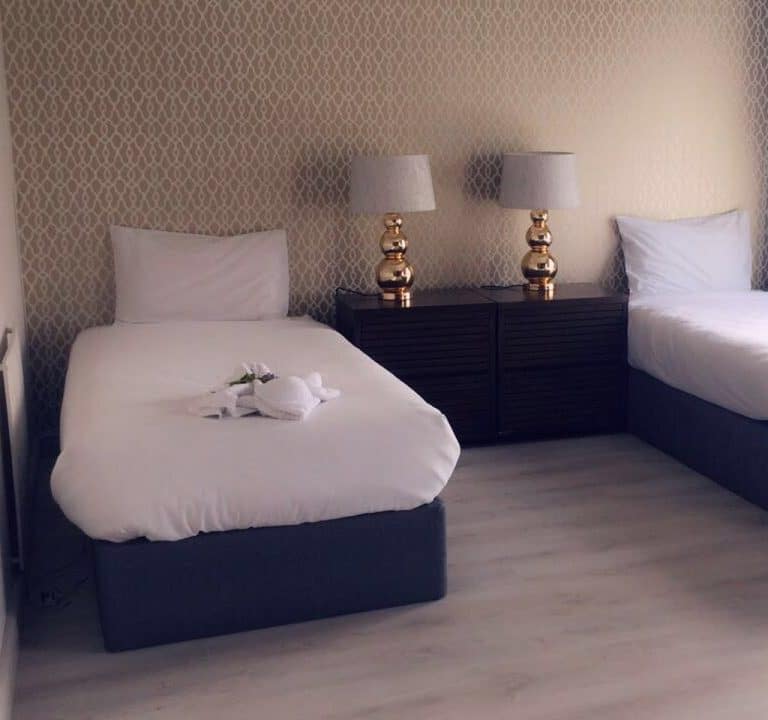
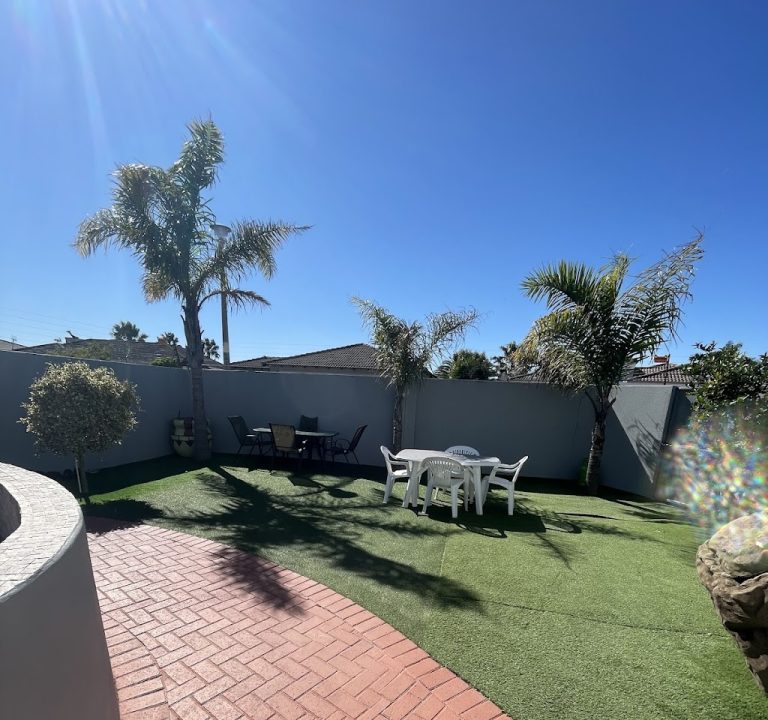
Typical amenities you may encounter include well-equipped kitchens or kitchenettes, coffee machines, en-suite bathrooms, and tea-making facilities. A comfortable bed with quality linen is essential for a good night's rest, and climate control helps you adapt to Cape Town’s seasonal shifts. Some properties may offer a small gym, an outdoor pool, or a sunlit courtyard, while others showcase chic, design-forward interiors that reflect the surrounding landscape. Family-friendly options often feature interconnecting rooms or larger suites, as well as supervised spaces for younger guests. If you value local character, consider boutique hotels or guesthouses housed in heritage buildings with thoughtful decor that nods to the city’s diverse communities.
Best time to visit Cape Town depends on your priorities. The summer months (November to March) bring warm, dry weather ideal for beaches and outdoor activities, though peak tourist crowds and higher prices can apply. Southern autumns and springs offer milder temperatures, good light for photography, and often fewer crowds. Winter (June to August) is cooler and wetter, yet accommodates great deals on accommodation and a quieter city experience. Regardless of when you travel, plan ahead for peak periods around major events or school holidays and be prepared for swift weather changes, especially along the coast and in the surrounding mountains.
When planning an itinerary, balance nature, culture and dining. Iconic viewpoints and attractions can be subject to weather and crowds, so allocate flexible days for outdoor experiences such as climbing or cable-car views, coastal drives, and scenic hikes. In terms of dining, Cape Town’s restaurant scene ranges from casual coastal fare to refined, contemporary cuisine. Many eateries focus on fresh, locally sourced ingredients with influences from coastal and colonial histories. You’ll find a wide selection of venues in the City Bowl, the V&A precinct, and along the Atlantic Seaboard, as well as hillside spots with sweeping views over the Atlantic and Table Mountain. Reserve ahead for popular tables, particularly in peak season, but also consider exploring lesser-known neighbourhood spots to experience Cape Town’s hospitality and culinary creativity.
Practical tips for a smooth stay:
- Book a property with clear access details, including 24-hour reception or emergency contact procedures.
- Check the cancellation policy and any seasonal surcharges before confirming your stay.
- Consider a neighbourhood with walkable routes to groceries, coffee shops, and public spaces to reduce reliance on transportation.
- Pack a light rain jacket and comfortable walking shoes; Cape Town weather can shift quickly, especially near the coast.
- Plan day trips with awareness of travel times to and from popular attractions to avoid peak-hour delays.
For those seeking a base that blends comfort with easy access to Cape Town’s highlights, Livingsound Stay offers a thoughtful range of rooms and suites designed for diverse itineraries. While the property’s exact offerings vary, many guests appreciate stylish interiors, convenient locations, and a friendly, service-oriented approach. To find current details, visit the venue’s official website or trusted accommodation listings for the latest room types, amenities, and availability.
Ultimately, a well-chosen stay in Cape Town sets the tone for your trip: a balance of modern comfort, memorable views, and easy access to the region’s unforgettable experiences. With thoughtful planning around where to base yourself, how to get around, and what you wish to explore, your Cape Town visit can be both relaxing and adventurous—enabling you to return home with lasting memories of this extraordinary corner of the Western Cape.