Cape Town Accommodation and Getting the Most from Your Stay
Cape Town, tucked between the iconic Table Mountain and the Atlantic Ocean, offers a diverse range of places to rest your head and a wealth of experiences to fill your days. When planning a stay, it helps to think in terms of neighbourhoods and transport access, so you can balance convenience with the view, vibe and rate that suit your budget. From compact guest houses to boutique hotels and self‑contained apartments, there is something for every traveller in the Western Cape’s cosmopolitan harbour city.
Areas to consider include the V&A Waterfront and the central historical district for easy access to iconic sights, restaurants and nightlife. The City Bowl, including Gardens and Tamboerskloof, is popular for those seeking a leafy outlook, proximity to museums and a compact, walkable centre. Constantia and the southern suburbs offer a more relaxed, country‑like feel with easy access to wine estates and scenic drives. If you want a beachfront base with easy access to waves and sea breezes, the Atlantic Seaboard (including Camps Bay and Bantry Bay) or Muizenberg on the False Bay coast are wonderful options. For a true neighbourhood stay, try one of the guest houses in busy, buzzing areas such as Green Point or Woodstock, where you can walk to cafes and markets and still be close to the main sights.
When booking, look for practical amenities that support a comfortable stay. Essential elements include reliable Wi‑Fi, a well‑equipped kitchen or kitchenette if you plan to self‑cater, adequate storage, a clean en‑suite bathroom, and heating or cooling suitable to the season. A friendly reception or on‑site staff can make a big difference for arranging local tips and flexible check‑in. If you are travelling with family or a group, a homely lounge, a designated dining area and the option of separate bedrooms or self‑contained spaces can add to your convenience. Security features, good lighting, and clear access information are also worth checking, particularly in city‑centre or hillside locations.
Practical planning tips for a smooth stay include how you’ll move around. Cape Town’s attractions are spread out, and while Uber and ride‑hailing services operate, many guests prefer guest houses or hotels that offer a shuttle, or a place within easy walking distance of highlights, markets and restaurants. In popular seasons, access to roads and parking can be limited, so consider a base within walkable distance of your priorities or one that offers secure on‑site parking. Public transport is available, but schedules can be less frequent on weekends. A light plan for day trips—such as a cable car ascent to a viewpoint, a drive along the Atlantic coast, or a wine region excursion—helps you maximise your time without losing daylight for exploring.
Best time to visit Cape Town depends on your priorities. Summer (December to February) brings warmer sea temperatures and lively outdoor markets, but it is also peak season, so prices can be higher and streets busier. Winter (June to August) offers mild, sunny days and fewer crowds, with the chance of rain. Spring (September to November) and autumn (March to May) generally provide pleasant weather and good value. For ocean activities, be mindful of wind and sea conditions, and always follow local safety guidance when swimming or taking boat trips.
Accommodation types you might encounter include traditional guest houses, boutique hotels, homestays, self‑catering apartments, and eco‑conscious lodges. Guest houses often deliver a personalised touch, with hosts who can share local itineraries and restaurant recommendations. If you are seeking privacy and a kitchen, a serviced apartment or fully equipped suite can be ideal. For travellers exploring Cape Town on a budget, look for smaller properties that offer breakfast options, good transit links, and easy access to the areas you want to explore.
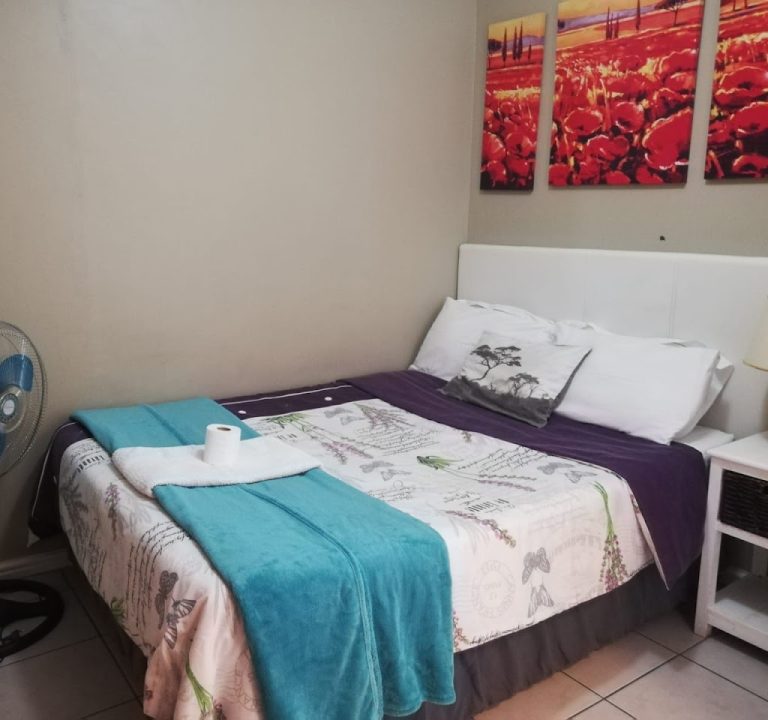
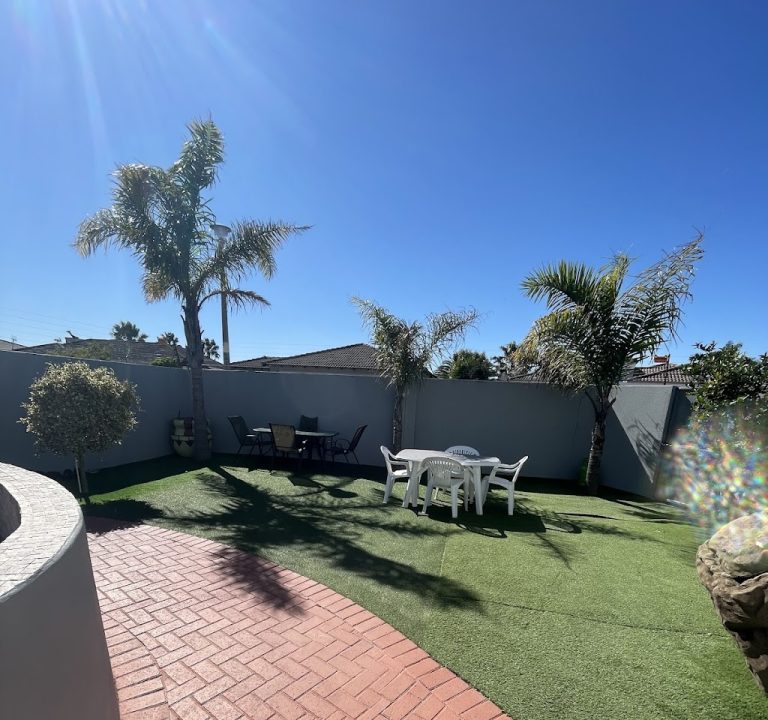
To give a sense of the local hospitality landscape, Papichulos Guest House in Cape Town offers a guest‑house experience that emphasises comfort and convenience in a central location. Guests typically look for a friendly attentiveness, clean spaces, and practical facilities that support a relaxed stay. You can learn more about Papichulos Guest House through its website, which provides practical information about the property and how it fits into a Cape Town itinerary: Papichulos Guest House.
Attractions and experiences are plentiful, from natural wonders to cultural landmarks and culinary scenes. General highlights include panoramic viewpoints, coastal walks, local craft markets, and museums that illuminate the city’s diverse history. Dining ranges from modern bistros and seafood spots to lively casual eateries that showcase South African flavours. Rather than listing specific venues, it’s useful to look for places that offer fresh ingredients, a sense of place, and good reader reviews or local recommendations. When planning restaurant visits, consider reservations for popular times and allow some flexibility for weather-dependent outdoor seating or harbour views.
- Check the neighbourhood’s walkability and access to key sights you want to visit.
- Verify check‑in and checkout times, and whether late arrivals can be accommodated.
- Confirm what is included in your rate (breakfast, housekeeping, parking, wifi) and what incurs extra charges.
- Ask about local tips for safe transport at night and best routes for day trips.
In short, Cape Town rewards travellers who balance location with practical comforts. A well‑chosen base in a neighbourhood that aligns with your interests—be it iconic views, markets and cafés, or wine estates within easy reach—can set the tone for a memorable Western Cape sojourn. With thoughtful planning, your stay can blend restful accommodation with exhilarating discoveries, leaving you poised to return for another chapter of the city’s remarkable story.