Durban, KwaZulu-Natal: Where to stay, what to see, and how to plan a relaxed visit
Durban blends subtropical beaches with a vibrant cultural scene, making it a superb destination for a seaside city break. When choosing accommodation in Durban, consider the areas that best fit your rhythm—from family-friendly beach stretches to lively urban hubs and hillside retreats with panoramic views. Durban’s climate is warm most of the year, but the best times to visit for outdoor activities are the drier winter months and the shoulder seasons when queues are shorter and the sea is still inviting.
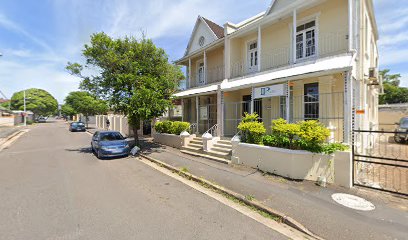
Popular areas to consider include the Golden Mile and North Beach for easy beach access and a walkable promenade, the atmospheric Berea for leafy streets and a calmer residential vibe, and Umhlanga, which offers a coastal resort atmosphere with modern amenities. For a quieter, more authentic experience, you might explore the central business district and nearby neighbourhoods that have undergone rejuvenation, offering boutique lodges, guesthouses, and charming eateries. If you’re seeking a purpose-built lodge with a social atmosphere, Signature Backpackers may provide a practical option within Durban’s broader lodging landscape.
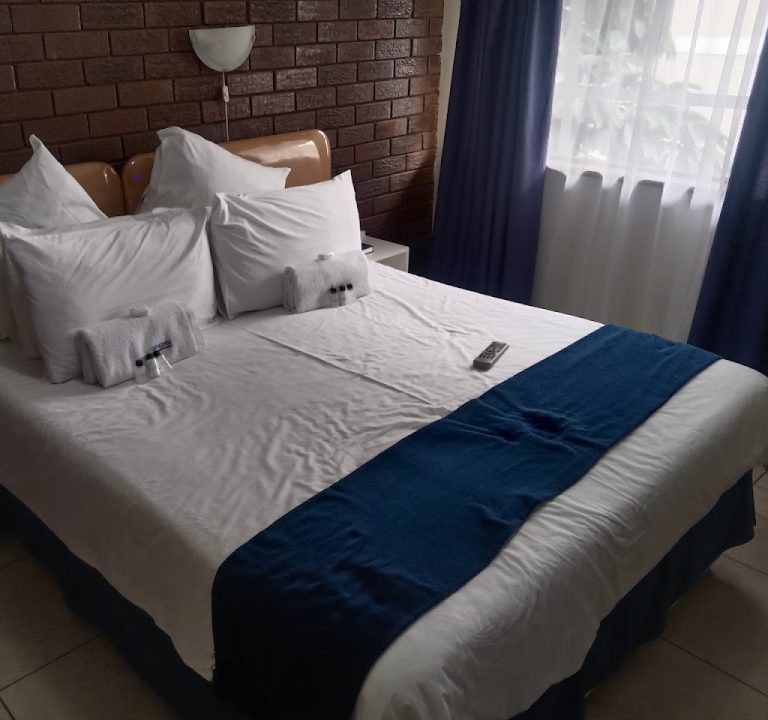
Typical accommodation options span from stylish boutique hotels and self-catering apartments to guesthouses and lodges with panoramic city or sea views. Look for properties that offer flexible booking policies, reliable housekeeping, secure parking or easy taxi access, and friendly reception that can help you plan day trips. If you’re travelling with family or a group, a self-contained apartment or a lodge with communal spaces and a kitchen can simplify meal planning and budgeting. For something more intimate, a guesthouse with personalised service and a cosy common area can feel like a home away from home.
Essential amenities to look for include air conditioning or good ceiling fans (Durban can be warm), reliable Wi-Fi, secure access, and convenient on-site parking if you’re driving. A pool can be a welcome respite after time at the beach, and an in-house restaurant or breakfast option reduces morning logistics. If you plan longer stays, a well-equipped kitchen or kitchenette, laundry facilities, and a central location with easy access to public transport or rideshare services will help you maximise your time in the city.
Transport in Durban is varied and generally straightforward. If you’re staying near the Golden Mile or along the coast, beachside promenades are pedestrian-friendly and offer the chance to stroll between beaches and cafés. Public transport options include minibus taxis, Gautrain connections from other parts of KwaZulu-Natal, and local bus services. Many visitors choose to rent a car for flexibility, especially if you want to explore outlying beaches, nature reserves, and inland towns. Taxis and rideshare services are widely available, but it’s wise to arrange airport transfers or pre-book transport during peak travel periods.
Best time to visit Durban combines comfortable sea temperatures with a lively calendar of events. The city enjoys long, sunny days for outdoor activities, while winter months (June to August) can be cooler and drier, ideal for exploring the city’s parks, markets, and cultural venues without the heat of high summer. If you’re drawn to coastal walks and wildlife experiences, plan ahead for times of year when marine life is visible and local markets are in full swing. Pack sun protection, a light rain layer for tropical showers, and comfortable footwear for exploring both beaches and historic streets.
To plan day trips and experiences, consider your interests. Durban’s coastline invites easy beach days and boardwalk strolls, while the city hosts museums, botanical gardens, and a developing culinary scene offering diverse influences. For families, interactive marine or science centres and seaside rides provide diversion without requiring long travelling days. For foodies, you’ll find casual eateries and modern restaurants that showcase South African flavours, coastal seafood, and international influences, typically offering menus that change with the seasons. If you’re seeking authentic experiences, ask your accommodation host or concierge for recommendations on local markets, craft workshops, or guided cultural tours—these can enrich a stay without needing to travel far from your base.
Sample planning checklist for a Durban stay:
- Choose a base near your priorities: beach access, cultural precincts, or a quiet residential area with easy transport links.
- Check for practical amenities: parking, laundry, kitchen facilities, and dependable Wi‑Fi.
- Assess transport options: proximity to bus routes or a rideshare pickup point, and whether a car is needed for day trips.
- Identify nearby attractions and dining zones you want to explore, and plan a rough itinerary with flexible mornings and relaxed evenings.
- Consider seasonal weather and packing needs, including sun protection and a light rain jacket for tropical showers.
Durban offers plenty of options for a balanced stay, whether you’re chasing beach time, family-friendly activities, or urban exploration. When selecting accommodation, prioritise location, safety, and practical facilities, then pair your stay with a few well-chosen experiences and meals to build a memorable trip. For inspiration and current listings, you can consult official Durban tourism resources or reputable travel sites that list properties, experiences, and suggested itineraries. A thoughtfully chosen base, combined with a flexible plan and a little local wisdom, can make your Durban visit both relaxed and richly rewarding.