Durban: Where Beach, Culture and Flavour Meet in KwaZulu-Natal
Durban offers a compelling mix of subtropical climate, Indian Ocean coastline and a vibrant urban scene. When planning a stay in this dynamic city, it helps to think in terms of location, comfort and access to the key experiences that make Durban memorable. Whether you favour a stylish hotel in the heart of a bustling district, a guesthouse tucked away in leafy suburbs, or a modern lodge near the coast, Durban can accommodate a wide range of travel styles.
Areas to consider for accommodation vary in mood and convenience. The beachfront and Golden Mile deliver family-friendly resorts, easy access to the promenade and views of the Indian Ocean. The central business district and nearby streets offer city-facing hotels and contemporary apartments, convenient for business travellers or those who want to be within short hops of museums, markets and nightlife. A stay in neighbourhoods such as Morningside, Glenwood or Windermere can feel more residential, with boutique guesthouses, eateries and larger green spaces nearby. If you are searching for a more relaxed, coastal vibe, coastal pockets just a little further from the main beachfront can provide calmer beaches and access to nature reserves. Consider proximity to a taxi, rideshare, or rail links for straightforward day trips and evenings out.
When you book, look for a few practical details that genuinely shape a Durban stay. A reliable air conditioner or ceiling fans are essential given the subtropical climate. Free, fast Wi‑Fi is a must for planning day trips and staying connected. A comfortable bed with quality bedding, a well-equipped bathroom, and adequate storage can make a big difference on longer visits. If you are travelling with family, check for family rooms or suites, on-site parking and a child-friendly menu at the property’s restaurant. For longer stays, a kitchenette or tea-and-coffee facilities add convenience. Some properties also offer laundry services or access to laundry facilities, which can be a savings on a longer break.
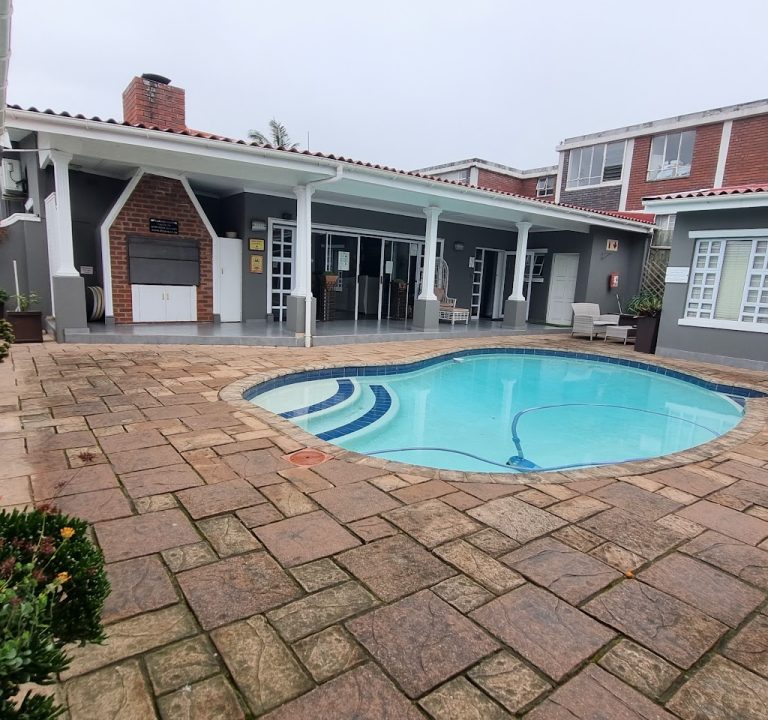
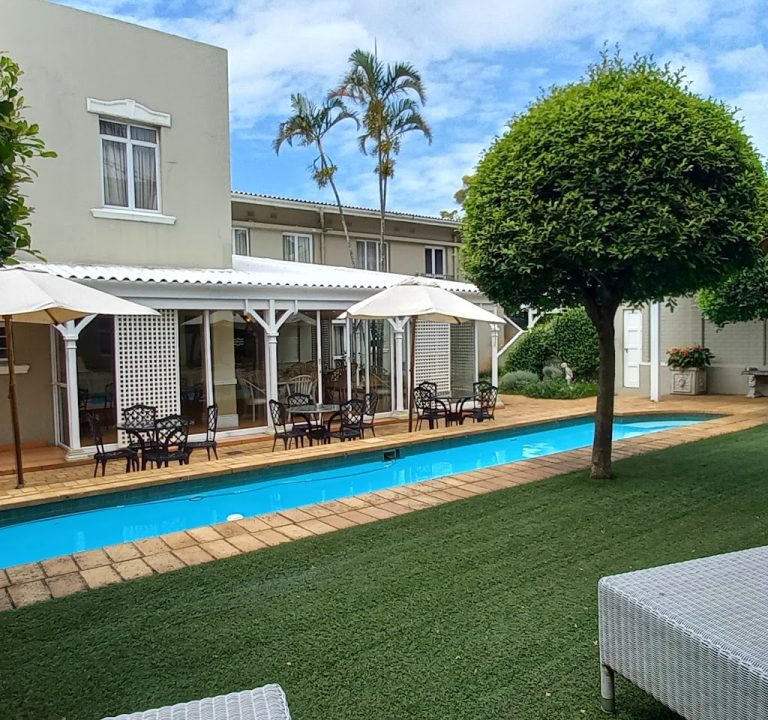
Typical amenities to expect include on-site dining options, a pool or access to a nearby beach, and secure reception or 24-hour staffing. A gym or fitness area can be a welcome addition for travellers who like to keep up a routine, while a garden or outdoor seating area offers space to unwind after touring the city. If you plan to explore Durban’s markets and restaurants, ask about a shuttle service or information on local transport routes. The Quarters Hotel, for instance, presents a cultivated choice for visitors seeking a polished base with proximity to central sights and dining options, and its website provides further details on availability and personalised itineraries.
Transport around Durban is comparatively straightforward. The city is spread along the coast, so walking along the promenade is pleasant on mild days, but taxis, rideshare services and rental cars are common for longer hops. Some hotels organise airport transfers or local shuttle runs, which can simplify arrival and departure logistics. For those aiming to combine a beach stay with inland sightseeing, a bit of planning around peak traffic hours can save you time. Durban’s public transport options include bus and rail links that connect the beachfront, city centre and outlying suburbs, though services may vary in frequency. If you are planning day trips—such as heading to inland reserves, nearby towns or coastal villages—checking timetable options in advance saves time and helps you map a practical route.
The best time to visit Durban depends on what you want from your trip. The city enjoys a subtropical climate with warm summers and mild winters. Summer (roughly November to March) brings longer days and more sea breeze, which is ideal for beach activity and outdoor events, though afternoon showers are possible. Autumn and spring offer gentle conditions for city walking tours, markets and outdoor dining, with comfortable temperatures and plenty of sunshine. For those prioritising marine life or cooler evenings, winter (June to August) remains relatively mild by European standards, but packing layers is sensible for cooler nights and air-conditioned interiors.
Durban’s attractions are as varied as its accommodation. You may choose to explore the Golden Mile’s beaches at sunrise, wander the historic streets of the old town, enjoy a museum or gallery afternoon, and end with a meal that reflects Durban’s diverse culinary heritage. Markets, foragers and street food stalls present chances to sample both locally produced goods and internationally inspired dishes. Dining here often reflects strong regional influences, with a focus on seafood, curries, and fresh produce from the surrounding KwaZulu-Natal coastline and inland farms. For visitors who appreciate guided insights, many hotels and guesthouses offer curated experiences, from city walks to cultural workshops and private tastings nearby.
Practical planning tips to consider:
- Book with a flexible cancellation policy where possible, especially if your plans involve weather-dependent activities.
- Ask about beach access, towels, and sun protection provisions if you intend to spend long days by the sea.
- In peak season, reserve accommodation well in advance for the best choice of locations and rates.
- Check if the property offers airport transfers or convenient access to public transport for easy arrivals and departures.
- Read guest reviews to gauge the reliability of housekeeping, Wi‑Fi quality and responsiveness of staff.
Durban’s combination of warm hospitality, diverse dining options and easy access to both beaches and inland attractions makes it a compelling destination for a stay that balances relaxation with exploration. For a refined stay that places you near central sights and modern conveniences, consider established options such as The Quarters Hotel, which provides a stylish base and a gateway to Durban’s varied offerings. For more information about accommodation and availability, visit the property’s official site at http://www.quarters.co.za/.