Durban: Where to Stay and What to Do for a Relaxed KwaZulu-Natal Getaway
Durban, nestled on the coast of KwaZulu-Natal, offers a warm, harbour-city welcome with palm-fringed beaches, a vibrant culinary scene and a mix of guest houses, boutique hotels and self-catering stays. When planning a stay, consider which neighbourhood best suits your rhythm—from the coastal promenade and golden sands of the beachfront to the leafy, liveable streets of Berea and the buzzy central districts near the harbour. Each area has its own character, practical access to transport, and a choice of accommodation that can suit a short break or a longer escape.
Accommodation in Durban often centres on three broad options. Guest houses and small boutique hotels provide a homely atmosphere with personalised service and intimate common spaces. In the central and Berea areas you’ll find guest houses that combine proximity to the city’s sights with a quieter, residential feel. The coastal fringe, including the popular beaches and newer developments, tends to offer self-catering apartments and aparthotels with kitchen facilities and easy beach access. For those seeking a resort-like stay or more expansive grounds, there are lodges and larger hotels a short drive from the beachfront that can provide pools, spa facilities and organised activities. When selecting, think about the kind of ambience you prefer—cosy and intimate, or contemporary and spacious—and the pace you want for your days.
Typical amenities to look for include reliable air conditioning, which matters in Durban’s warm months, secure parking or easy taxi access, and a good breakfast offering if you want a straightforward start to the day. Free or accessible Wi-Fi is increasingly standard, as is a pleasant communal area for socialising or planning your next outing. If you are travelling with family or a group, check for larger suites, kitchen facilities or safe, on-site parking. If you plan to explore on foot, consider locations close to the beachfront, the central business district, or major taxi routes. For longer stays, properties with self-catering options and laundry facilities can save both time and money.
Getting around Durban is straightforward, but planning ahead can save time. The city offers a mix of Uber-type ride services, metered taxis, and public shuttle routes in popular tourist corridors. Some guest houses and boutique hotels arrange airport transfers or day trips with local guides. If you’re driving, you’ll find well-signposted routes to the Golden Mile, uShaka Marine World and the cricket stadium, with ample parking in most tourist zones. For those who prefer public transport, the MyCiti bus system serves parts of the city and can connect you to major sights. Depending on your itinerary, it may be worth staying in a location with quick access to the promenade for easy beach time, or in the central areas for museums, markets and historic architecture.
The best time to visit Durban is influenced by its subtropical climate. The city enjoys warm, humid summers with rainy spells typical of the late summer months, and mild, dry winters. For beach-focused stays, late spring to early autumn offers comfortable swimming weather, while winter can be pleasant for city sightseeing without the peak heat. If you enjoy festivals and outdoor markets, planning around local events can enrich your visit, though popular periods may mean busier streets and higher rates. Pack light layers for evenings and a lightweight rain jacket for sudden showers in the warmer months.
When it comes to planning your itinerary, combine a few beach days with cultural and culinary exploration. Durban’s coastline is made for relaxed strolls along the promenade, with views over the Indian Ocean and opportunities to watch surfers or paddleboarders. Inland, the city offers museums, historical sites and markets where you can sample local flavours. Durban is renowned for its diverse food scene, with Indian-influenced curries, African-inspired braai spots, coastal seafood and modern fusion dining. Rather than focusing on specific venues, look for eateries that offer vibrant, casual menus with an emphasis on fresh ingredients and friendly service. Many areas near the beachfront and in the central zones host lively markets, art studios and small galleries that make for pleasant afternoon wanderings between meals.
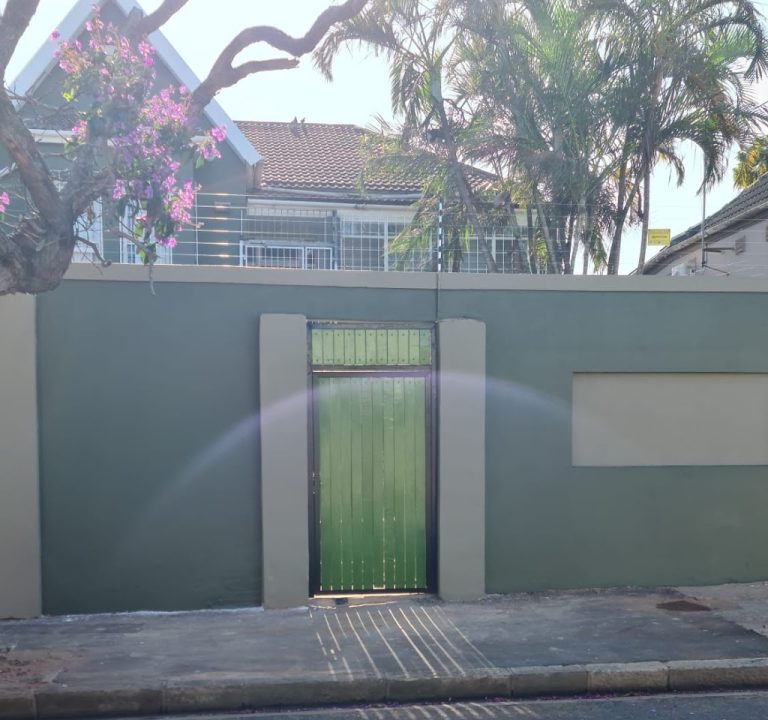
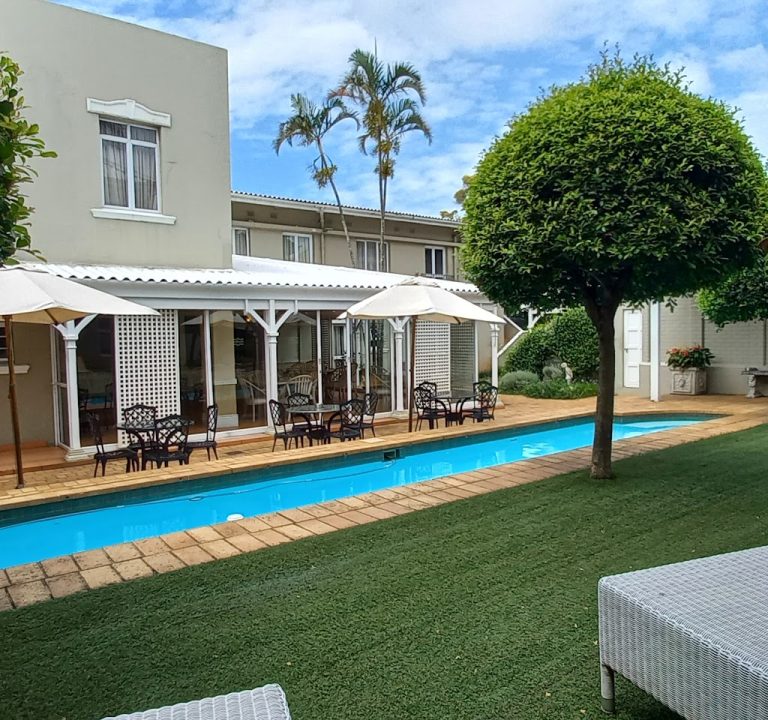
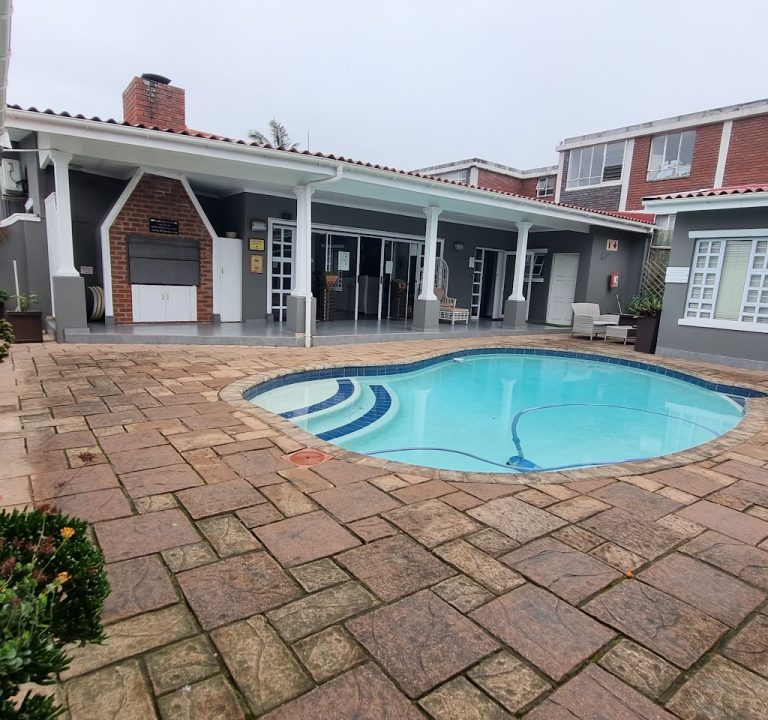
For accommodation with a distinctly Durban character, consider a stay in a guest house such as Concord Christian Guest House or similar properties that emphasise comfort and personalised service. A guest house can provide a more intimate experience, where hosts offer local tips on neighbourhoods, markets, and day trips, from coastal walks to nearby nature reserves. If you’re organising a longer break, a modest apartment or self-catering suite can provide convenience for shopping and cooking while you rest after a day of exploring. When booking, read recent guest reviews for feedback on cleanliness, staff helpfulness, and the accuracy of descriptions. Look for clear cancellation policies and whether breakfast or other meals are included, as this can influence daily budgeting and planning.
Practical planning tips:
- Choose an area based on your priorities: beachfront access, central proximity to markets and museums, or a residential calm with easy transport links.
- Check for parking facilities if you plan to hire a car, and confirm access hours if you’ll arrive late.
- Look for flexible booking policies in case plans change, especially during peak travel seasons.
- Confirm what transport options are recommended from the airport, including whether the property offers a transfer service.
- Pack sun protection, lightweight layers for evenings, and a swimsuit for the hotel pool or beach days.
Durban remains a destination where a well-chosen base makes the experience more enjoyable. With a thoughtful choice of accommodation, sensible planning for transport, and a flexible approach to daily adventures, you can enjoy a balanced itinerary that blends beach relaxation with the warmth of the city’s culture and cuisine. Website information for specific properties can be found via hotel and guest house listings, travel guides and official tourism portals, which regularly update recommendations for stays that meet contemporary comfort standards.