Durban: Accommodation, Attractions and Practical Tips for a Well-Planned Stay
Durban, on KwaZulu-Natal’s subtropical coast, offers a broad mix of places to lay your head, from intimate bed & breakfast houses to modern hotels and family-friendly guesthouses. When planning a stay, think first about what you want from your neighbourhood: easy beach access, a calm residential vibe, or a bustling urban centre with quick access to restaurants and nightlife. Durban’s coastal belt is where many visitors congregate, with quieter leafy suburbs nearby that still provide convenient transport links to the city’s attractions.
Choosing where to stay in Durban can significantly influence your experience. If you want morning walks along a long sandy beachfront, consider accommodation near the popular Golden Mile or nearby beachfront neighbourhoods. For a more relaxed, residential feel with leafy streets and slower-paced mornings, look to areas inland or along hilly suburbs that still offer straightforward access to the coast. For families, guesthouses or B&Bs with larger rooms and self-catering options can be particularly appealing, while business travellers often prioritise reliable Wi‑Fi, secure parking and easy access to the highway or the city centre.
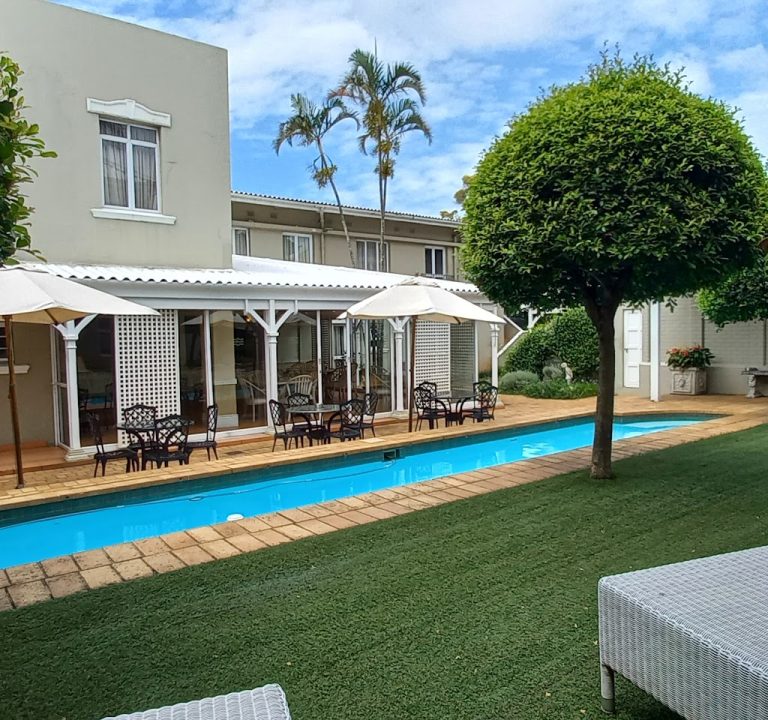
Durban’s accommodation options commonly feature a blend of comfort and character. Common amenities to look for include private or en-suite bathrooms, air conditioning or ceiling fans (important in the warm months), a friendly breakfast service, and on-site parking. Many establishments offer extra touches such as outdoor spaces, pool areas, and well-equipped guest lounges. If you plan to travel with children or a group, check if rooms can be linked or configured for families, and whether the property can arrange early breakfasts or packed lunches for day trips.
Transport across Durban is well supported, but planning ahead saves time. The city’s famous beachfront is walkable in many parts of the central coast, and the MyCiTi bus system connects main hubs to rail stations and park-and-ride locations. If you are exploring beyond the beachfront, renting a car can be convenient, particularly for reaching inland attractions. For some visitors, taxi apps or pre-booked private transfers offer a practical, hassle-free option, especially during peak travel times or when returning late from dinner or events.
Best time to visit Durban typically spans the spring and autumn months, when temperatures are comfortable and rainfall is lower than peak summer. The city’s climate supports outdoor activities for much of the year, including beach days, coastal walks, and trips into the surrounding countryside and hills. Summer can be lively, with long daylight hours, while winter mornings are usually mild and pleasant, though evenings can feel cooler by the coast. If you enjoy outdoor markets, live music and seasonal festivals, you’ll find a steady calendar of events throughout the year, often aligned with the city’s warm weather.
Durban’s neighbourhoods each offer a distinctive base for exploring the region. The beachfront precincts provide direct access to the sea, promenades, and a lively dining scene with casual cafés and affordable eateries. The city centre and nearby suburbs offer a gateway to museums, cultural centres, and a broader selection of dining and shopping options. A little further afield, the surrounding valleys and hills present opportunities for scenic drives, nature reserves, and bushveld day trips. When booking, consider whether the property has a view of the sea, a tranquil garden, or a terrace that can become your personal retreat after a day of sightseeing.
Practical tips for planning your stay:
- Check the cancellation policy and seasonal rate changes, especially for peak holiday periods.
- Read guest reviews focusing on transport access, quiet hours, and cleanliness.
- Consider breakfasts that suit your itinerary—some places offer early starts for day trips.
- Ask about nearby supermarkets, cafés, and petrol stations for convenience during longer trips.
- Look for reliable Wi‑Fi if you need to work remotely or stream content in the evenings.
For a well-rounded stay, consider combining a comfortable bed & breakfast with easy access to Durban’s beaches, cultural venues, and diverse dining. One example of a traditional B&B option is Sommersby Guesthouse, a Durban-based bed & breakfast that strives to provide a welcoming home-from-home atmosphere while keeping guests well connected to the city’s coastline and attractions. More information can be found on their official website: Sommersby Guesthouse.
When it comes to experiences, Durban offers versatile activities without needing to travel far. You can enjoy long beach walks, try waterside leisure activities, explore local markets and craft stalls, or take short trips into the nearby hills and nature reserves for scenic viewpoints and wildlife. For dining, Durban’s dining scene ranges from casual seaside eateries to vibrant, family-friendly restaurants that showcase a mix of coastal flavours and regional South African fare. If you prefer to plan in advance, many accommodation hosts can point you toward reliable, up-to-date recommendations for day trips, scenic routes, and seasonal events that align with your dates and interests.
In short, Durban rewards thoughtful planning. By choosing a neighbourhood that fits your pace, verifying essential amenities, and allowing time for both sea breezes and city discoveries, you can enjoy a balanced, memorable stay in KwaZulu-Natal’s warm Indian Ocean city.