Cape Town: Accommodation and Experiences for a Memorable Stay
Cape Town is a city of striking contrasts, where dramatic coastline meets green mountains and a vibrant food and wine scene. When planning a stay, consider selecting a neighbourhood that aligns with your priorities—whether that means easy access to beaches, proximity to urban attractions, or a tranquil escape with mountain views. A well-chosen guest house or hotel can frame your visit, from the moment you step through the door to the day you leave for your next adventure.
Central to a great stay is balancing comfort with convenience. The City Bowl and the central business district offer a compact base for sightseeing, with strong public transport links and a walkable core of cafés, markets, and galleries. For harbour views and a cosmopolitan atmosphere, the V&A Waterfront area is popular, with easy access to tours, ferry trips to Robben Island, and scenic sunset strolls along the harbour. If you prefer a beachside vibe with a touch of glamour, Camps Bay and Clifton provide stylish stays and dramatic sunsets, while Constantia is ideal for travellers seeking tranquillity, gardens, and easy detours to wine estates. For a mixed urban-nature experience, try the leafy slopes of Table Mountain’s lower neighbourhoods or the bohemian charm of Observatory and Woodstock.
When choosing accommodation, think about the typical amenities that will help you settle in quickly. A guest house or boutique hotel in Cape Town often features attentive service, locally sourced breakfast, and rooms designed to capture the city’s character. Look for comfortable beds, reliable Wi‑Fi, good ventilation, a well-equipped shower, and practical storage. If you plan to cook or prepare light meals, a kitchenette or self-catering facility adds flexibility. A pleasant outdoor area, whether a sunlit verandah, courtyard, or pool, can be a real plus after a day of exploring the nearby hills or beaches. Ask about on-site parking or accessible public transport information, as pan‑Cape Town travel is easiest with flexible plans and a clear sense of your daily route.
Transport can shape your itinerary almost as much as the landscapes you visit. The MyCiTi bus network is a affordable option for those prioritising city travel, while Uber and other ride-hailing services offer door-to-door convenience. If you’re staying near the Atlantic Seaboard, a short drive or ride can connect you with pristine beaches and scenic coastal walks; if you’re in the City Centre, you’ll find most major sights are a pleasant walk or a short taxi ride away. For visits to wine country or the Cape Peninsula’s famous viewpoints, consider a guided day trip or a car hire with a driver to maximise comfort and flexibility. In peak seasons, plan with a little extra time for travel between popular spots, especially on weekends and holidays.
Best time to visit Cape Town depends on the experience you seek. Summer, from November to February, brings warm days and lively outdoor events, with sea conditions suitable for swimming and beach activities. Autumn (March to May) offers milder weather and calmer crowds, making it ideal for hiking and wine-tasting in the Constantia and Stellenbosch regions. Winter (June to August) is cooler and can be windy, but it’s a quieter period in many guest houses and a good time for cultural pursuits and museum visits. Spring (September and October) brings wildflower blooms and longer daylight hours—excellent for outdoor excursions and coastal walks. Whatever season you choose, booking in advance for popular areas and attractions is sensible, particularly if you hope to secure a room with a sea view or a quieter hillside location.
Attractions in Cape Town span natural wonders, historic sites, and culinary experiences. Iconic draws like the cable car up Table Mountain give panoramic views, while the Cape Peninsula offers dramatic coastal routes and penguin colonies. The nearby Cape Winelands deliver award‑winning wines and refined dining settings within easy reach of some guest houses. In the city, markets, museums, and vibrant neighbourhood streets provide a flavour of daily life, and many guest houses organise or can recommend walking tours, sunset cruises, or scenic drives to complement your stay. Dining in Cape Town ranges from casual harbourside eateries to sophisticated restaurants that emphasise fresh, seasonal produce. When choosing places to eat, look for menus that highlight local farms, sustainable seafood, and regional flavours rather than a single “signature dish.”
For your planning considerations, here are a few practical tips to keep in mind:
- Book a guest house or boutique hotel with a clear cancellation policy and flexible room configurations if your party size or travel dates might change.
- Check curtilage features like secure parking, private entrances, and quiet hours if you value privacy or late check-ins.
- Ask about breakfast options and how dietary preferences are accommodated, as many establishments pride themselves on homemade or locally sourced provisions.
- Clarify the distance to your must-see sights and public transport routes, especially if you plan to rely on city transit rather than car hire.
- Consider a stay that provides access to a balcony or garden space to enjoy Cape Town’s sunsets and temperate evenings.
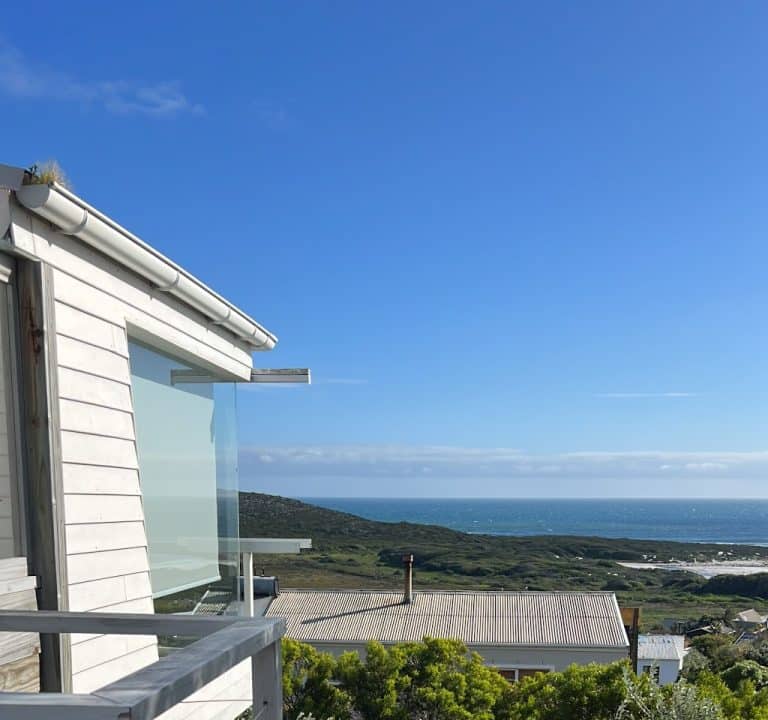
Shutters on Hilltop, a guest house in a residential setting, offers an example of a stay that can blend home-from-home comforts with easy access to the city’s landscape. Whether you prioritise a quiet retreat on a hillside or a convenient stroll to cafes and markets, Cape Town accommodates a broad range of preferences. With thoughtful planning, your stay can weave together comfortable accommodation, practical transport options, nearby attractions, and a dining scene that celebrates the region’s richness. For inspiration and planning, consult official tourism resources and guest house listings to tailor an itinerary that suits your pace and interests.