Where to Stay and What to Do in Cape Town: accommodation ideas, transport tips and top experiences
Cape Town offers a rich tapestry of places to stay that suit a range of budgets and trip styles, from designer boutiques in the City Centre to seaside apartments along the Atlantic Seaboard and tranquil estates in Constantia. When planning a stay, start by identifying three key priorities: proximity to the places you most want to explore, the level of creature comforts you seek, and how you will get around. A well-chosen base can save time, reduce transit stress and allow you to experience more of this vibrant city and its surrounds.
Areas to consider include:
- City Bowl and the V&A Waterfront for easy access to museums, nightlife, and restaurant scenes
- Atlantic Seaboard, including Camps Bay and Clifton, for dramatic scenery, beaches and sunset views
- Green Point and Sea Point, offering a lively mix of cafés, promenades and convenient transport links
- Constantia Valley for wine-focused escapes, green countryside and luxury guest houses
- Winelands towns such as Stellenbosch and Franschhoek a short drive away for day trips
When you begin comparing options, look for several practical features that can significantly improve your stay. These include reliable Wi‑Fi (especially if you need to work remotely), secure on-site parking, air conditioning or heating for comfort across seasons, well-equipped kitchens or kitchenettes, and clear information about check-in procedures. If you are visiting in peak season, a flexible cancellation policy and early pickup of preferred dates can make a big difference. For families or groups, check whether the property provides extra beds or cots, laundry facilities and safe storage for bags and equipment after checkout.
Typical amenities to expect in many Cape Town properties include stylish interiors, daily housekeeping options, well-equipped kitchens, complimentary tea and coffee provisions, and access to outdoor spaces such as balconies, terraces or gardens. In guesthouses and smaller boutique hotels you may encounter personalised service, with recommendations from hosts on local routes, restaurants and hidden viewpoints. If you prefer privacy and a sense of villa life, a well-appointed self-catering villa in or near the city centre or coastal areas can be a comfortable home base for several days.
Transport around Cape Town is manageable with planning. In the city, public transport options include a fast, efficient bus network and ride-hailing services. For greater flexibility—especially for exploring scenic drives, beaches at the Atlantic Seaboard or the Cape Point area—many travellers choose a car from a reputable rental company. If you prefer not to drive, consider staying within walkable distance of your must-see spots or booking accommodation that provides easy shuttle access to major hubs. The MyCiTi bus network is a convenient option for day trips and longer itineraries if you plan ahead and check service updates.
The best time to visit Cape Town depends on what you hope to do. Spring (September to November) brings blossoming gardens and milder temperatures, while autumn (March to May) offers pleasant weather and less crowded sights. Summer (December to February) is lively and sunny, ideal for beach days and outdoor dining, but can be drier and busier. Winter (June to August) is cooler and wetter, yet greens stay lush, and it is a good time for whale watching from certain vantage points and quieter city streets. Whatever the season, mornings are often the best for outdoor adventures when the air is cooler and clearer.
Top experiences typically accessible from Cape Town accommodations include a mix of natural beauty, culture and food. You can expect a scenic drive up to viewpoints overlooking the Atlantic Coast and Table Mountain, followed by a cappuccino in a café with harbour views. A day trip to the Cape Point area offers dramatic coastline routes, wildlife spotting, and seaside villages. In the city, tours and visits to museums, galleries and markets provide insights into local history and contemporary life. The dining scene in Cape Town ranges from casual eateries serving fresh seafood to refined restaurants with seasonal menus that celebrate local produce. For a relaxed evening, consider a sunset walk along the waterfront or a beach stroll before dinner.
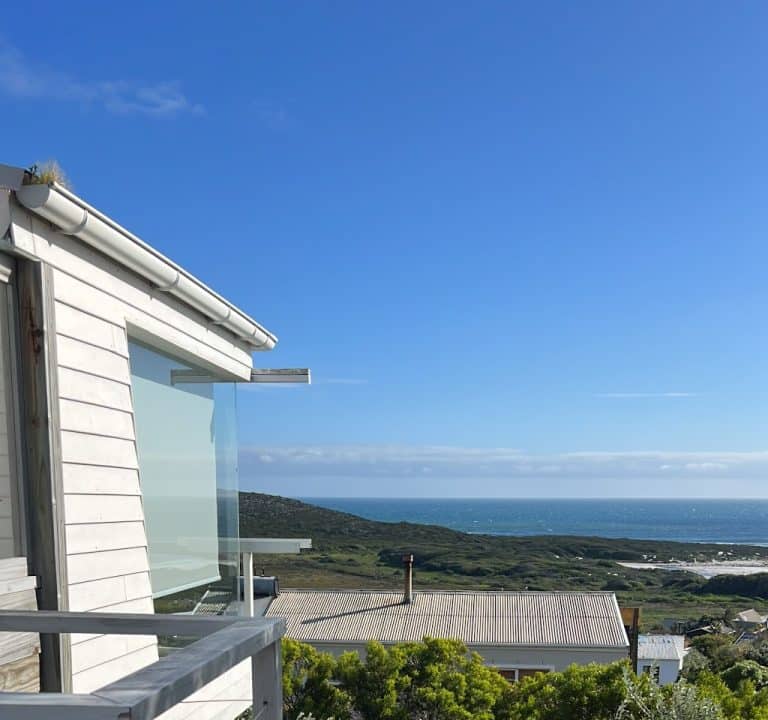
If you are seeking an example accommodation option with a private villa atmosphere, consider Cape Point Villa. This villa-style option offers a private setting with amenities typically valued by travellers seeking space and independence, while remaining within reach of major attractions and scenic areas. For more information, you can explore their official site at Cape Point Villa.
Practical tips to help you plan your stay:
- Book with a flexible policy during uncertain periods or peak seasons to adapt to changing travel plans.
- Clarify what is included in the rate—daily housekeeping, on-site parking, and the availability of kitchenware or laundry facilities.
- Ask hosts or property managers about the best local transport options and safety tips for different neighbourhoods.
- Pack layers to accommodate Cape Town’s microclimates, particularly if you are visiting coastal or high-lying areas.
- Consider combining a few nights in a city-centric base with a couple of nights in a tranquil Constantia or wine country setting for a balanced itinerary.
With thoughtful planning, a stay in Cape Town can blend comfortable accommodation, convenient transport links, and access to a spectrum of attractions and dining experiences. Whether you are drawn to sweeping sea views, a historic urban core, or peaceful countryside, the city’s varied places to stay provide a strong foundation for a memorable visit.