Where to stay and things to do in Nqanqarhu, Eastern Cape
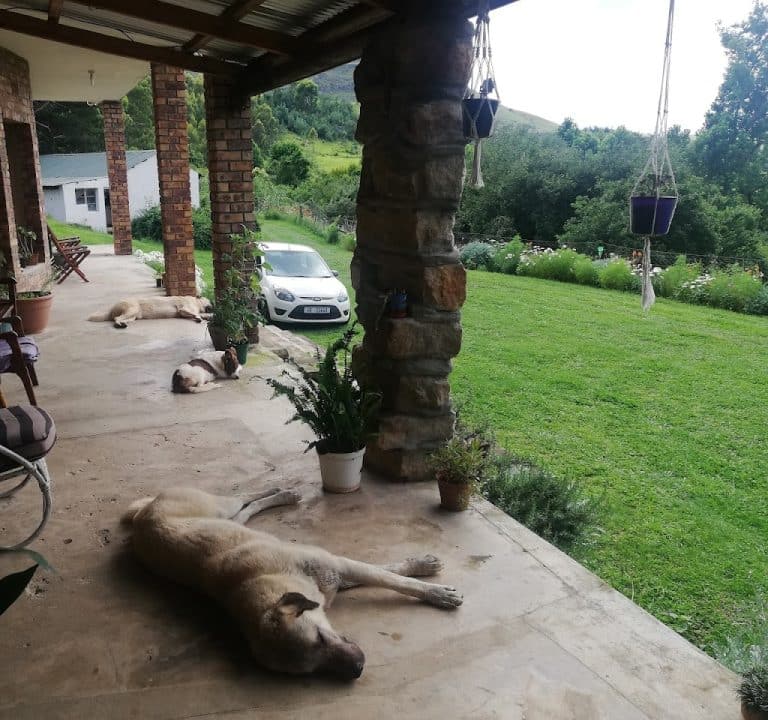
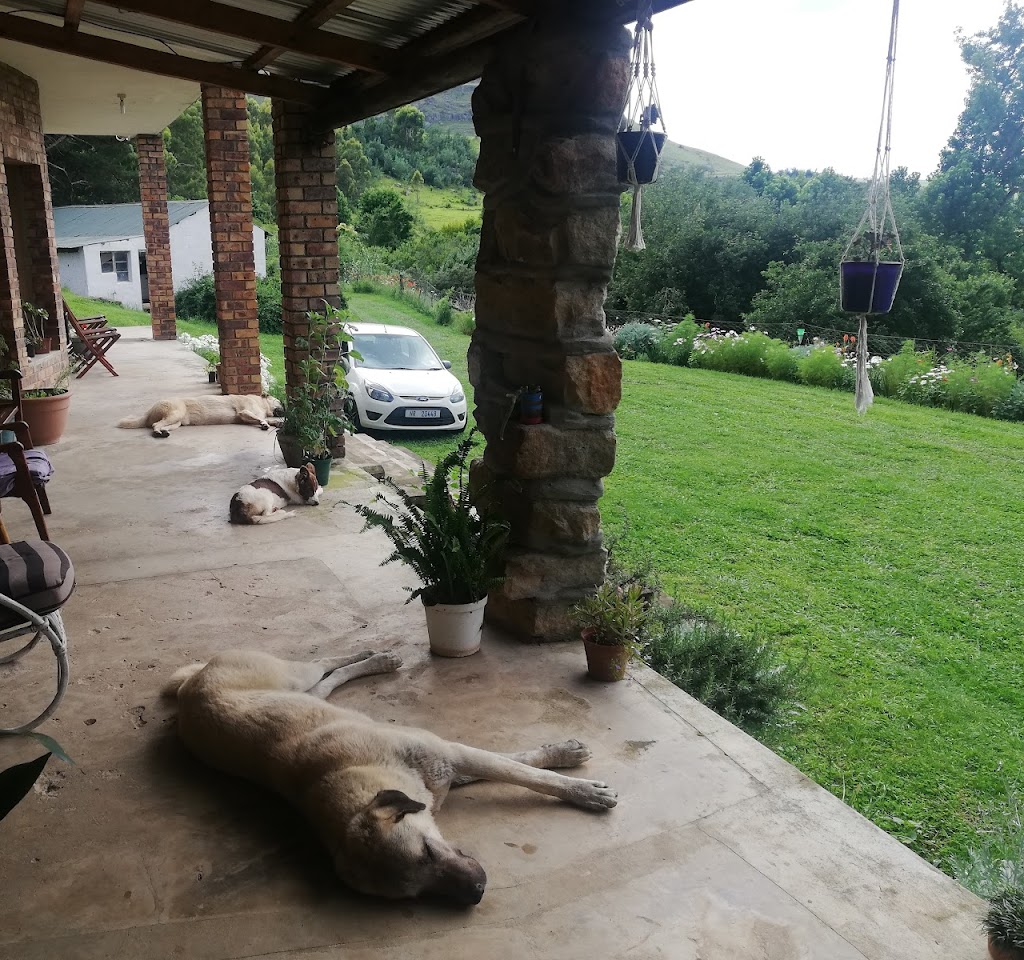
Nqanqarhu in the Eastern Cape presents a quiet, nature-forward retreat that appeals to travellers seeking authentic rural life, outdoor activities and a slower pace. Accommodation options in and around the area span from working-farm stays to intimate guesthouses and self‑catering cottages. Plans typically work best when you anchor your stay to a base that offers easy access to the countryside, with quiet evenings, starry skies and opportunities to meet local hosts and farmers who can share insights into the region’s daily rhythms. One notable example is a farmstay that blends hospitality with agricultural life, giving visitors a sense of place while providing comfortable accommodation and practical facilities.
When choosing where to stay, consider the following areas and criteria. Proximity to nature reserves, walking trails and scenic viewpoints can shape your days, while access to convenient routes for day trips will influence your itinerary. If you prefer a more remote experience, look for properties that advertise longer-range hiking access or off‑grid comfort. For those who want a touch more structure, opt for guesthouses or small hotels that offer on‑site dining, reliable power and water supplies, and guest information on local activities.
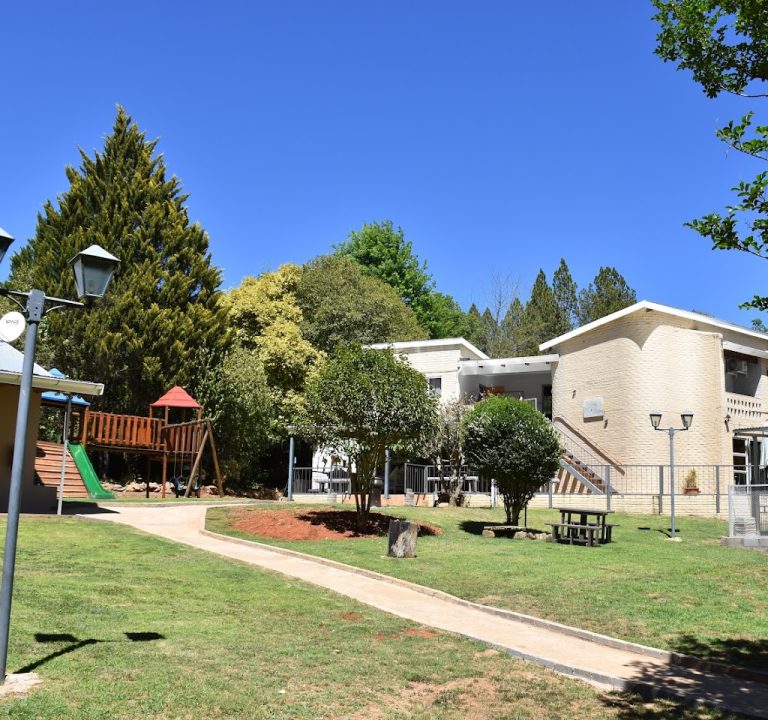
Typical accommodation features include comfortable beds with clean linens, private bathrooms or en-suite facilities, and spaces designed for relaxed evenings after outdoor days. In farm stays, you may find shared spaces such as a kitchen or dining area where hosts share meals or tips about local ingredients and seasonal dishes. Some properties provide communal lounges, outdoor seating areas, and fire pits that become excellent gathering spots at dusk. If you’re planning a longer stay, look for options with self‑catering or kitchen facilities, laundry access, and a flexible check-in arrangement for a rural timetable.
Transport is a practical consideration. A rental car is usually the easiest way to explore Nqanqarhu and the surrounding countryside, especially if you intend to visit multiple farms, rural restaurants and natural viewpoints. Roads can be scenic but occasionally uneven, so a modestly capable vehicle is preferable. If you’re not hiring a car, check whether your accommodation can arrange transfers or share rides with other guests. Internet connectivity may be slower than urban areas, so plan ahead for navigation, offline maps, and any work or streaming needs you might have during longer stays.
The best time to visit hinges on your priorities. Spring and autumn offer milder temperatures for outdoor activities and walking, while summer brings longer days and the chance of afternoon showers. Winter can be cool but clear, with crisp mornings ideal for wildlife watching and photography. If you plan farm‑related activities or markets, align your dates with local agricultural rhythms and seasonal produce. It’s wise to check weather forecasts and road conditions in advance in case you’re exploring rural routes after rain.
On arrival, you’ll likely prioritise comfort, safety and knowing where to begin your exploration. A guesthouse or farmstay with a warm welcome can seed your discovery with practical tips: the best locally grown ingredients, family-friendly outdoor spaces, and reliable local guidance on self‑guided walks or short excursions. Expect hosts to share insights on nearby viewpoints, rural trails, and the most convenient times to visit popular public spaces or natural attractions without the crowds that occasionally appear in peak holiday periods.
Attractions in the wider area are typically nature-focused and culturally rooted. Visitors can expect scenery ranging from rolling farmland to rugged viewpoints, with opportunities for gentle hikes, birdwatching, and picnics. Rural encounters—such as markets, traditional cooking demonstrations, or farm tours—provide authentic moments that complement hiking or nature drives. For dining, most visitors choose to sample regional dishes at local eateries that emphasise seasonal ingredients and home‑style cooking. Restaurants prioritise straightforward menus, locally sourced produce, and friendly service, making them well suited to families and travellers who value a relaxing meal after a day outdoors.
Practical tips to help plan your stay:
- Book well in advance during school holidays or long weekends when rural properties can fill quickly.
- Check what is included in the rate—some farmstays offer breakfast or dinner options, while others may be self‑catering.
- Ask about water and power arrangements, especially if you are staying in more remote locations where utilities can vary seasonally.
- Inquire about wildlife and farm‑related safety guidelines, as well as any restrictions on pets or outdoor fires.
- Pack layers for variable weather and comfortable shoes for walking or small hikes.
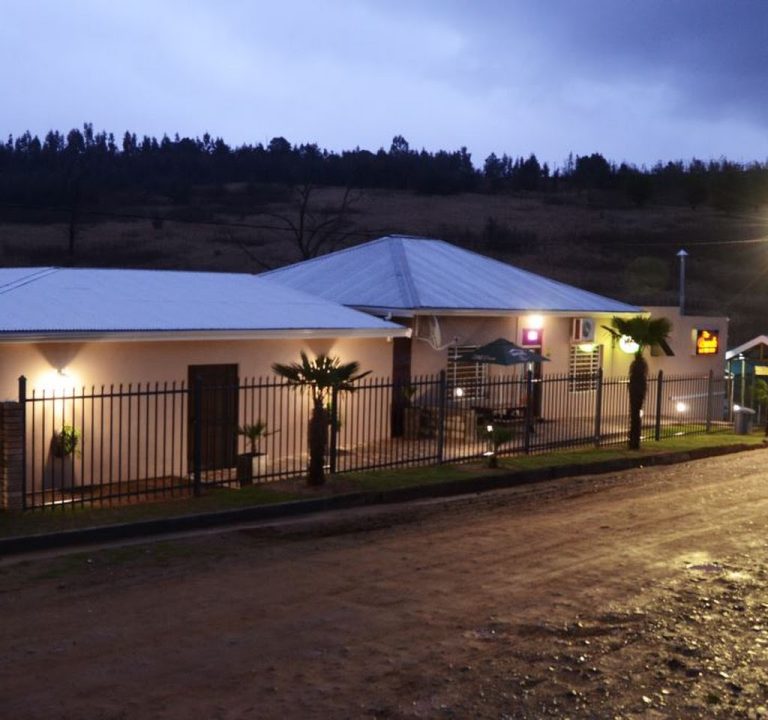
For those seeking a concrete example of choice, a farmstay such as Sheeprun Farmstay can serve as a practical base. It offers the kind of authentic agricultural ambience that appeals to travellers who want to observe rural life close to nature, paired with welcoming guest facilities. While exploring the region, you’ll likely rely on local knowledge and simple, well‑maintained amenities that support a relaxed pace and exemplary hospitality.
Ultimately, a stay in Nqanqarhu is about balancing comfortable rest with outdoor exploration. By selecting a property with suitable amenities, convenient access to rural activities and clear guidance from hosts, you’ll create a customised itinerary that reveals the district’s landscape, pace and people. Plan thoughtfully, and your visit to this Eastern Cape corner can become a memorable blend of terroir, tranquillity and gentle adventure.