Exploring Nqanqarhu: Accommodation, Getting There and Things to Do in the Eastern Cape
Nqanqarhu, tucked within the Eastern Cape’s varied landscapes, offers a peaceful base for travellers seeking a mix of nature, local flavour and uncomplicated comfort. Whether you prefer a cosy bed-and-breakfast, a rustic lodge, or a guesthouse with a friendly, homely atmosphere, there are options that suit short getaways and longer stays alike. When planning a stay here, it helps to think about the kind of experience you want and how you’ll move around the region to make the most of your time.
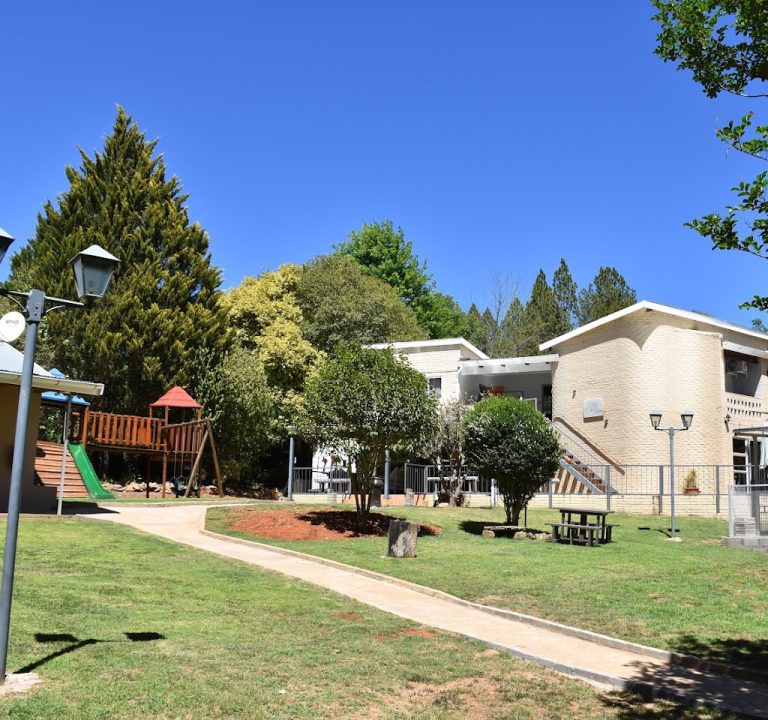
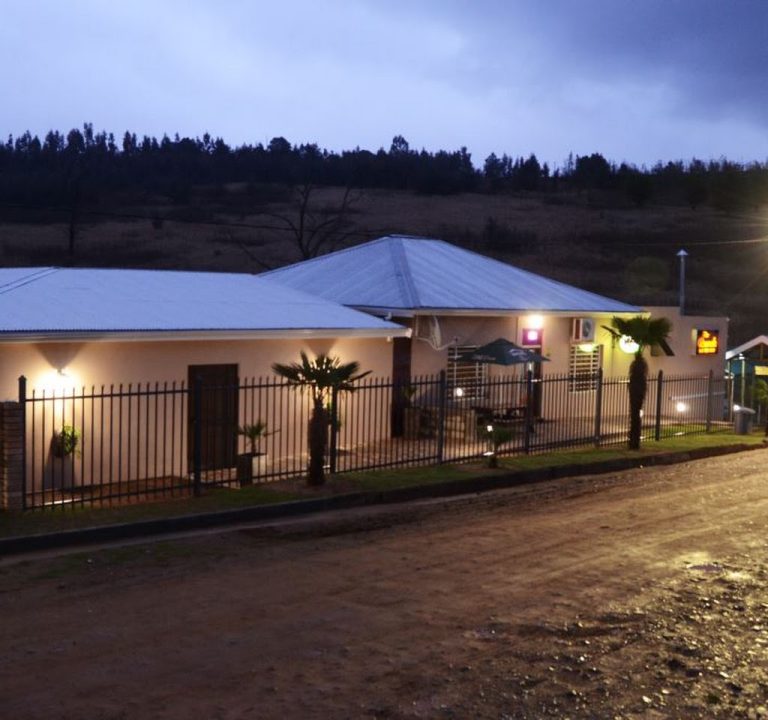
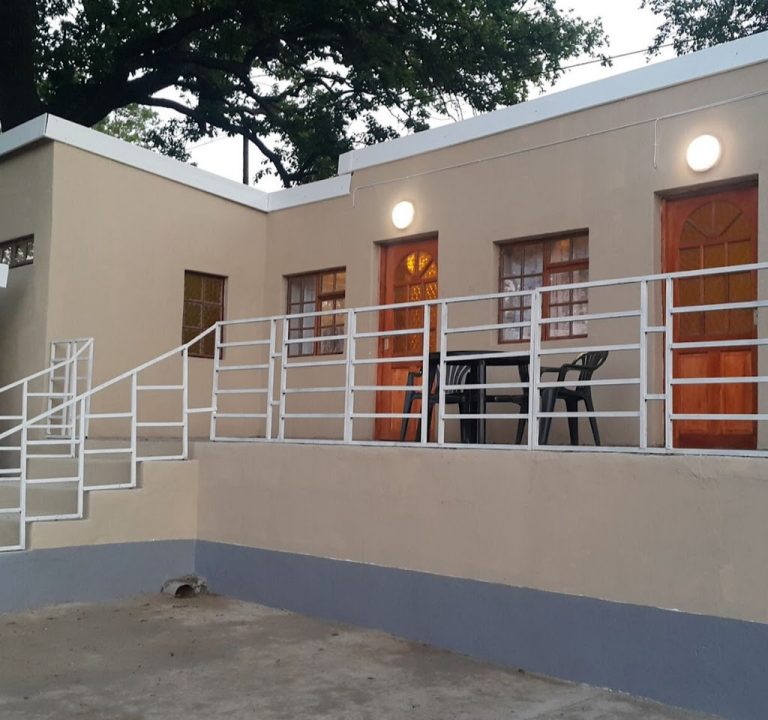
Accommodation in and around Nqanqarhu ranges from small, owner-run B&Bs to guesthouses that provide a more social atmosphere. A classic choice is a bed-and-breakfast that combines simple, clean rooms with a hearty breakfast to set you up for the day. A standout example is Alpine Bed & Breakfast, which offers a comfortable base and easy access to local routes and attractions. The on-site experience is typically warm and practical, with hosts who can share tips on nearby trails, eateries and day trips. For a personalised stay, look for properties that emphasise guest hospitality, local recommendations and easy communication.
Key areas to consider when choosing where to stay include proximity to main routes, access to scenic viewpoints and the ease of getting around without a hire car every day. If you prefer a more rural, secluded setting, a property on the outskirts of town can offer private space and quiet mornings, while staying closer to the village centre can give you quicker access to eateries and conversations with locals. When you book, confirm what is included (such as breakfast, self-catering facilities, or access to a communal kitchen) and whether there is on-site parking or off-street solutions.
Typical amenities to look for in Nqanqarhu accommodation include secure parking, reliable Wi-Fi, warm heating or cooling options, and clear information on local transport links. Rooms with en-suite bathrooms, comfortable beds and sufficient lighting are essential for a restful stay. If you are visiting in peak season, ask about flexibility with check-in/out times and whether the property can accommodate late arrivals or early departures. Many smaller establishments pride themselves on flexible service, helping guests tailor their plans to the weather and local events.
Transport options in the area vary. The region’s landscape can be best explored with a car, giving you the freedom to hop between viewpoints, farms, and rural eateries at your own pace. If you are without a vehicle, check whether your chosen stay offers airport or town transfers, or look into local taxi or guided tour options. When planning day trips, map realistic routes and consider travel time between locations, especially if you want to include multiple stops in a day.
Best time to visit Nqanqarhu and the Eastern Cape depends on what you want from your trip. Warmer, drier months are often pleasant for outdoor activities such as walking and exploring the countryside, while the spring and early summer period can bring colourful flora and lush scenery after seasonal rains. The shoulder seasons may offer quieter streets and better value options, while winter can be mild and peaceful, with the upside of fewer crowds. If you’re interested in wildlife or birdlife, consider planning around dawn and late afternoon when animals are more active and lighting is particularly good for photography.
Activities and attractions in the area tend to focus on outdoor experiences, scenery, and a taste of local life. You can expect gentle forest or valley walks, panoramic viewpoints over rolling hills, and opportunities to visit small farms and markets to discover produce and handmade goods. For nature lovers, nearby reserves or protected landscapes can offer excellent opportunities for short hikes, scenic drives, and quiet moments in nature. Culture and history are often subtle but present, with chances to speak with local residents, learn about regional farming traditions, and sample traditional dishes in informal settings.
Dining in and around Nqanqarhu is typically informal and seasonal. Expect homely meals that celebrate local ingredients, with patterns of cooking that reflect the region’s rural character. Restaurants and guesthouse dining rooms may offer a straightforward menu of hearty favourites, with fresh bread, vegetables, and regional specialities featured when in season. For variety, plan a couple of evenings to explore nearby towns or farm stalls where home-baked goods, preserves and locally grown produce are showcased. Always check current hours or call ahead if you are visiting during quieter periods, as small establishments may close earlier than city venues.
Practical planning tips to help you enjoy a smooth stay:
- Book accommodation with clear directions, parking information and reliable communication with hosts before arrival.
- Pack appropriate layers for variable weather; mornings and evenings can be cooler, even in warmer months.
- Bring light, comfortable walking shoes for easy trails and village lanes.
- Check transport options in advance and consider a flexible plan that allows for weather or seasonal changes.
- Respect rural courtesies and local guidelines, especially on farms and in residential areas.
For travellers seeking a relaxed stay with friendly hospitality and a convenient starting point to explore the Eastern Cape, Nqanqarhu offers a genuine, less-touristy experience. A well-chosen base, like Alpine Bed & Breakfast, can be a quiet retreat that supports your plans with thoughtful service and straightforward access to local routes. To discover more about specific properties and how they align with your itinerary, visit the property’s website for detailed information and current availability.