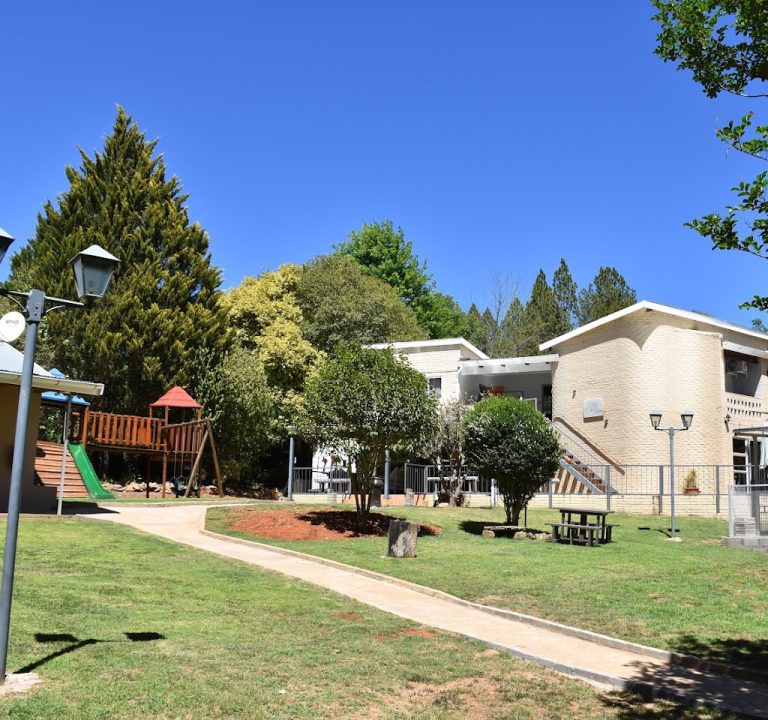
Discovering Nqanqarhu: where comfortable stays meet authentic Eastern Cape experiences
Nqanqarhu in the Eastern Cape offers a welcoming mix of rural tranquillity and gateway access to some of South Africa’s most striking landscapes. When planning a stay here, travellers typically weigh options between small guesthouses, family-run B&Bs, and country lodges that mix comfort with a sense of place. If you’re seeking a relaxed base from which to explore coastal corners, rolling hills, and local culture, this region rewards careful selection of type, location and amenities to suit your travel style.
Accommodation in and around Nqanqarhu often centres on a few practical considerations. Proximity to main roads can matter if you plan day trips, while some visitors prefer staying closer to quieter rural lanes to enjoy starry skies and a slower pace after a day of sightseeing. A number of establishments emphasise personalised hospitality, with hosts who can suggest routes for scenic drives, short hikes, or conversational evenings about the area’s history and local life. If you’re travelling with family or a group, look for options that offer flexible layouts, communal spaces, and self-catering facilities or kitchen access, which can add comfort and value to longer stays.
Typical amenities you might expect include en-suite bathrooms, hot water, dependable wifi in common areas, and, in some cases, solar power or back-up generators for reliability in remote locations. Air conditioning or ceiling fans are important for summer comfort in a climate that can feel warm in the warmer months, while heating may be welcome during the shoulder seasons. Breakfast is a common feature in many guesthouses and B&Bs, with a spread that might include freshly baked bread, fruit, yoghurt, and locally sourced ingredients. For guests keen on self-catering, some lodges provide well-equipped kitchens or braai (barbecue) facilities, so you can cook while enjoying a countryside setting.
Transport planning is a practical part of a stay in Nqanqarhu. You may rely on private vehicles, particularly if you intend to explore rural routes or coastline independently. Car hire is often the most convenient option for guests who want maximum flexibility, especially if you plan to visit multiple attractions in a day. If you’re arriving by bus or shared transport, check whether your accommodation offers a pickup service or can advise on the most reliable local routes. Some lodges and guesthouses sit on quiet lanes that are best explored on foot or by bicycle for short, scenic excursions.
Best time to visit the region blends weather considerations with what you hope to experience. Summers (roughly November to March) are warm and can bring afternoon showers, making early-day outdoor adventures appealing. Winter (June to August) tends to be cooler and drier, which can be excellent for hiking or coastal viewpoints with clearer skies. Shoulder seasons offer balanced temperatures and the opportunity to enjoy quieter surroundings. If you’re keen on wildlife or birdlife, check seasonal patterns and any local recommendations, as some landscapes are particularly rewarding at specific times of the year.
When selecting where to stay, consider the area layout and your planned activities. A base closer to the coast will shorten drive times to beaches and coastal viewpoints, while a more inland option may offer greater privacy and expansive countryside vistas. Ask about on-site experiences such as guided walks, farm-to-table meals, or cultural interactions with local hosts, which can enrich your visit without requiring long travel days. If you’re planning a longer stay, look for a property with laundry facilities and convenient dining options nearby, so you can balance rest with exploration.
Attractions and activities in and around Nqanqarhu are best explored with a flexible plan. Nature-friendly days might include scenic drives through rolling hills, stops at viewpoints, and short nature trails. In the vicinity you may find opportunities to learn about local crafts, food traditions, and rural life through informal tours or community-led experiences. For day trips, consider coastal towns along the region for beaches and shoreline scenery, or inland routes to absorb the landscape and a slower pace. Dining options typically range from simple, hearty meals to eateries that focus on fresh, seasonal ingredients; in many cases, you’ll discover savoury dishes that celebrate regional produce without needing to venture far from your base. When booking restaurants, you can rely on in-house recommendations from hosts or look for venues that showcase local ingredients and a relaxed, friendly atmosphere.
A practical tip for planning trips to Nqanqarhu is to confirm access to essential utilities and services before booking. Check the availability of reliable electricity, heating for cooler months, and water security, which can vary with weather and season. It’s also wise to clarify payment terms, cancellation policies, and what is included in the rate (for example, breakfast, daily housekeeping, or use of communal facilities). If you’re arriving late, ask your host about late check-in arrangements. For a range of stays, consider a B&B with the distinctive charm of a home-away-from-home experience—such as a host who is happy to share local insights, offer guided suggestions, and point you toward family-friendly activities or quiet, safe neighbourhoods for strolls after dark.
- Choose a base that aligns with your daily plan: coast, hills, or countryside.
- Prioritise clear information on amenities, plus flexible dining options.
- Ask hosts for local routes, safe transport options, and seasonal recommendations.
- Plan for weather and daylight hours, especially in shoulder seasons.
- Check access to essential utilities and policies before booking.
For a stay framed by warm hospitality and a sense of place, a well-chosen accommodation in Nqanqarhu can be the keystone of your trip. If you’re considering a stay with a small, guest-focused operator, places with heartfelt service often offer not just a room, but a story to share—plus practical tips that help you make the most of your time in this part of the Eastern Cape. For a sample option, you might find a property that embraces the name PCT B&B, which signals a personalised approach and a comfortable, community-oriented atmosphere. If you’d like, I can help draft a practical two- or three-night plan centred on your arrival date and interests, including suggested pacing, meal ideas, and day-trip routes. Simply share your preferred dates and priorities, and I’ll tailor a plan to suit your travel dreams.