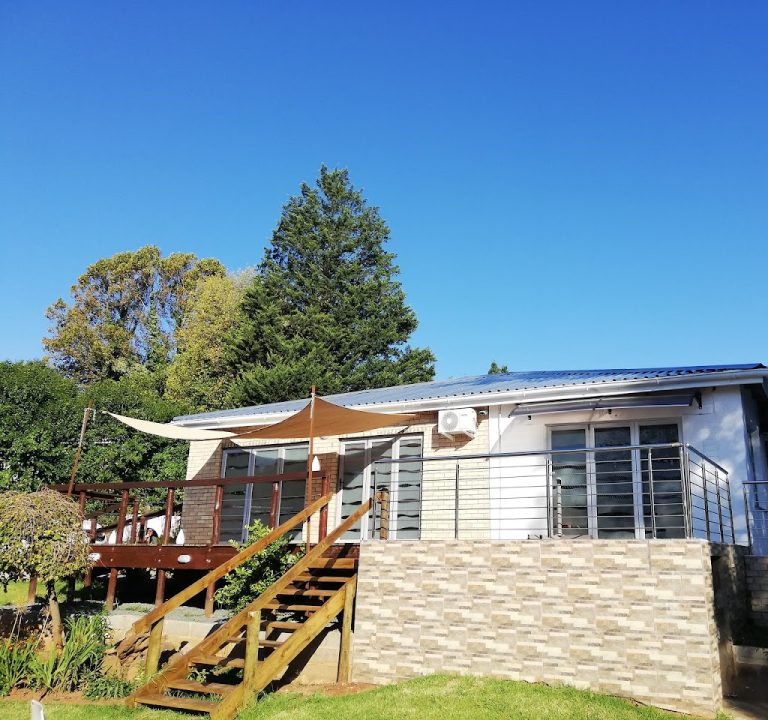
Accommodating Nqanqarhu: Where to stay and what to do in the Eastern Cape
Nqanqarhu, tucked within the Eastern Cape, offers a mix of rural charm and access to nature with a touch of South African hospitality. For travellers seeking a restful base, a stay in a bed and breakfast or guesthouse can balance informal, home-from-home comfort with opportunities to explore the surrounding scenery. When planning a visit, consider how you prefer to spend your days—whether you want slow mornings on a verandah, guided walks in nearby landscapes, or easy access to local eateries and cultural experiences. A well-chosen base can make the difference between a rushed itinerary and a considered, restorative break.
Accommodation in and around Nqanqarhu tends to fall into a few practical categories. Bed and breakfasts and small guesthouses offer personalised service, hearty, home-cooked breakfasts and a sense of place that larger hotels may not match. Rural lodges provide more space and a stronger tie to the surrounding countryside, often with on-site hosts who can tailor activities to your interests. For travellers driving through the region, consider locations that offer straightforward access to main routes, parking facilities, and clear directions to local attractions. If you’re travelling with family or a group, look for family rooms, multiple bedrooms, or self-catering options that can keep everyone comfortable and contained.
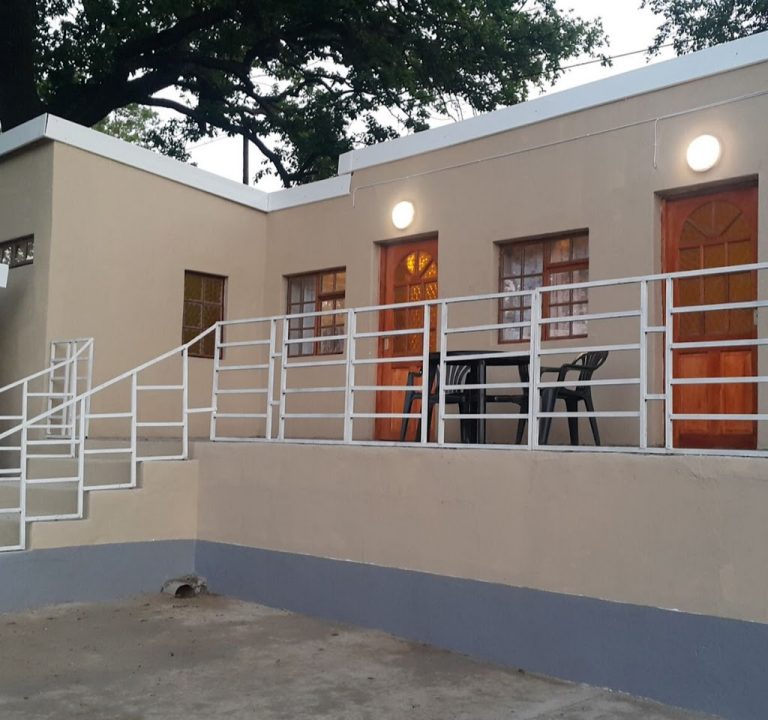
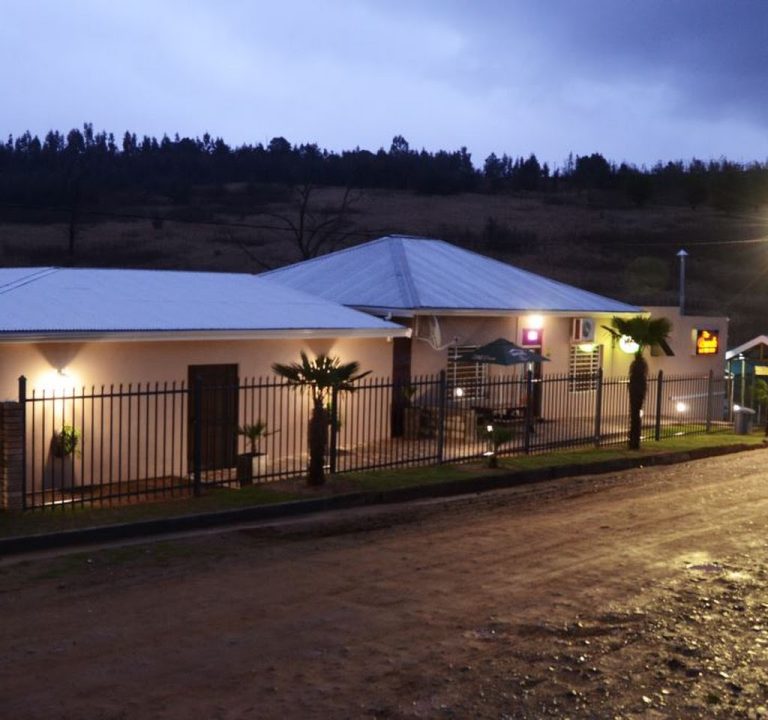
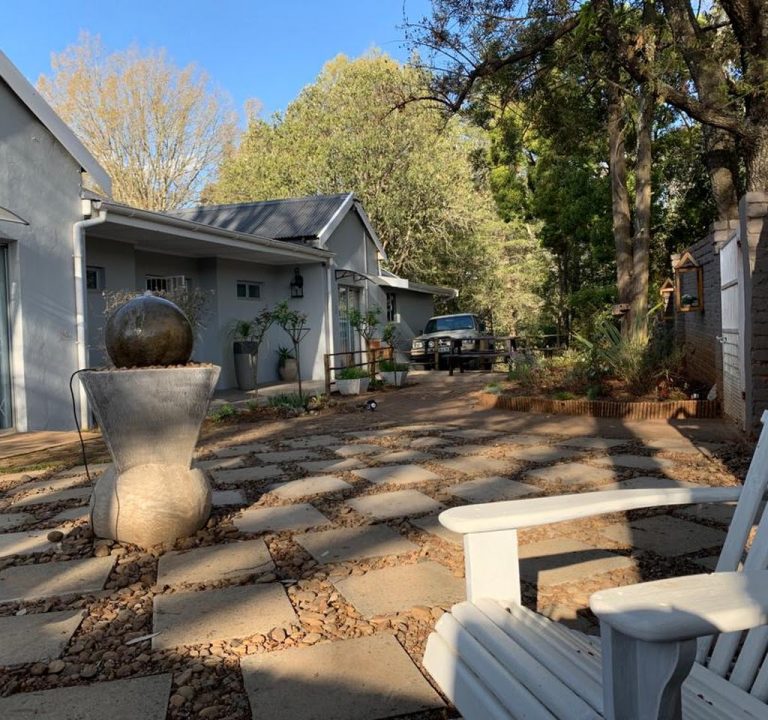
Super N’s BNB can serve as a useful example of what to look for in a stay. When evaluating similar places, note whether the host offers a warm welcome, whether rooms are comfortable and well maintained, and whether breakfast service aligns with your plans for the day. A straightforward check-in process, clear house rules, and accessible staff for questions can greatly improve your stay. If you intend to travel with a vehicle, verify on-site parking or secure space nearby, and think about how easy it is to reach the breakfast area, dining rooms, or outdoor spaces after dark.
Typical amenities to expect in this part of the Eastern Cape include comfortable beds with clean linens, en-suite or well-appointed shared bathrooms, and common areas where guests can relax. Wi‑Fi is often available, though speeds may vary in rural settings. Many guesthouses and B&Bs offer regional meals or home-cooked options for dinners on request, which can be a highlight of your stay. Heating or cooling, adequate lighting for reading, and reliable hot water are essential. If you are sensitive to sound, ask about room location within the building and whether there are quiet zones for rest after long days outdoors.
Transport planning is important. If you are not using a car, check whether the property arranges transfers from a nearby town or airport, or whether there are reliable taxi or shuttle services in the area. For drivers, confirm the road conditions to reach your accommodation, as some routes may be rural or hilly. A map or written directions from the host can save time upon arrival. In your packing list, include layers for cooler evenings, sun protection for daytime activities, and comfortable footwear for gentle strolls or short hikes in scenic settings.
Best time to visit Nqanqarhu depends on your preferences. The region generally enjoys a mild climate, with cooler nights in the highlands and warm days in the summer. Spring and autumn can be particularly pleasant for outdoor activities such as walking, birdwatching, or photography, while summer may bring afternoon showers. If your plan includes nature and wildlife experiences, the shoulder seasons often offer quieter trails and a more relaxed pace. Always check local weather forecasts in advance and be prepared for variable conditions, especially if you plan longer walks or day trips into surrounding nature reserves.
Areas to consider when choosing a place to stay include proximity to rural trails, viewpoints, and any nearby towns where you might dine or stock up on provisions. If you wish to combine your stay with cultural experiences, look for accommodations that can connect you with local guides or community initiatives. Ask about the host’s knowledge of local attractions and whether they can suggest farmer’s markets, craft shops, or short cultural walks that provide insight into the area’s traditions and daily life.
When planning activities, plan a balanced itinerary. Half-day or full-day explorations can include scenic drives, short nature walks, and a visit to informal eateries that showcase local fare. While there may be limited formal attractions in some rural corners, the appeal often lies in the landscape, tranquillity, and the chance to observe local rhythms. If you prefer a structured day, ask hosts for suggested routes or reputable operators for guided walks, birding tours, or visits to nearby villages where you can meet residents and learn about traditional crafts.
Practical tips for a smooth stay:
- Confirm breakfast timing and whether early departures are accommodated for long travel days.
- Ask about water and power supply norms in the area, especially during seasonal outages.
- Check parking arrangements and access routes for late arrivals.
- Clarify whether the accommodation offers laundry facilities or proximity to self-serve options.
- Inquire about recommended local dining options and whether hosts can book tables or organise special meals.
For more information on the Eastern Cape and ideas for planning a stay that includes Nqanqarhu, you can visit official and regional tourism resources. These sites provide guidance on regional landscapes, routes, and general visitor information to help you design a relaxed, well-paced visit. When choosing where to stay, prioritise friendly hosts, clear communication, and a setting that aligns with how you like to travel—whether that means easy access to nature, opportunities to connect with local communities, or simple, comfortable surroundings after days spent outdoors.