A Traveller’s Guide to Staying and Exploring Nqanqarhu, Eastern Cape
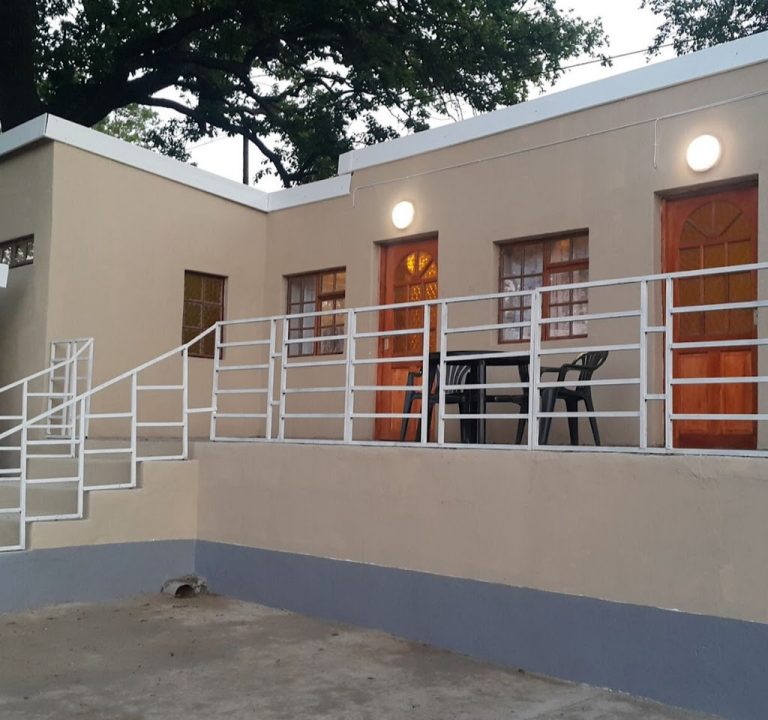
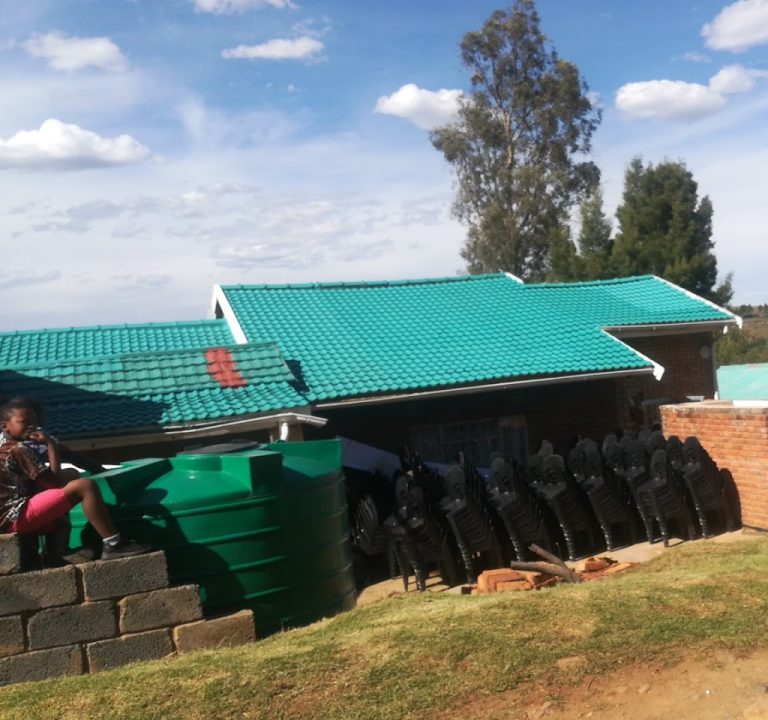
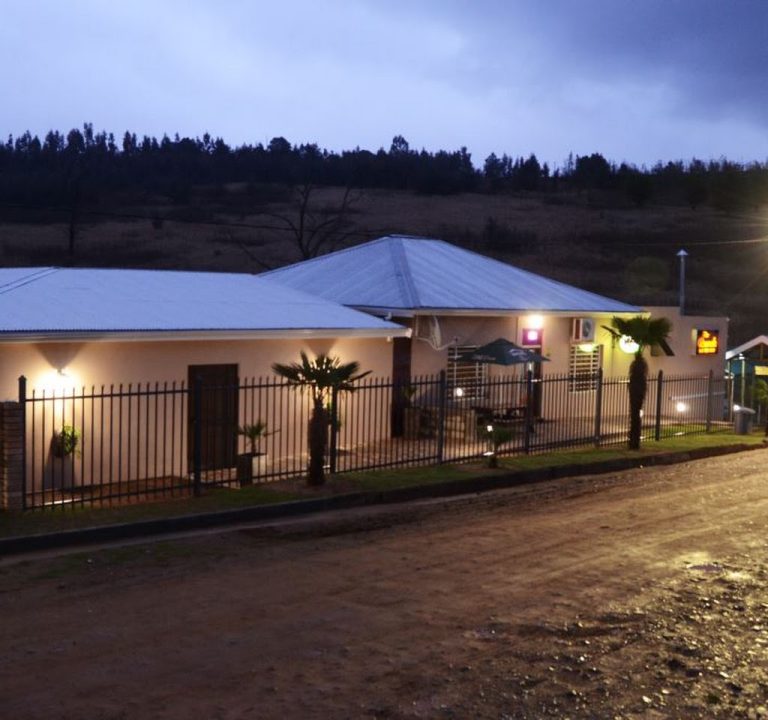
Nqanqarhu in the Eastern Cape offers a wholesome blend of rural charm, quiet landscapes and easy access to the region’s natural beauty. For visitors, choosing the right place to stay can shape the whole experience—from waking to birdsong on a farm-styled terrace to returning after a day of exploration to a cosy guestroom with thoughtful little touches. Lodging options range from friendly B&Bs and rustic lodges to self-catering cottages, each with its own character and set of conveniences. A well-balanced plan often combines a comfortable base with opportunities to venture out to nearby attractions, markets and eateries.
When planning where to base yourself, consider proximity to the main routes and the kinds of experiences you want. A central option, if available, can minimise daily driving and make it easier to join guided walks or organised activities. If you prefer a quieter pace, rural lodges or farm stays on the outskirts may offer more expansive views, a stronger sense of place, and a chance to observe local life up close. For families or groups, self-catering cottages with private outdoor spaces can provide flexibility while still offering a warm, intimate atmosphere similar to a guesthouse.
In terms of what to look for when booking, start with the basics: a clean, well-kept space, comfortable bed configurations, and reliable hot water. A decent heating or cooling option is important for the varying South African seasons. Check the accommodation’s dining arrangements—some B&Bs offer substantial breakfasts and occasionally evening meals, while others are strictly room-only. If you plan day trips, confirm whether there is on-site parking, easy access to roads, and clear guidance from hosts about local routes. Wi‑Fi is often available, but can be intermittent in more remote settings, so plan accordingly if you need steady connectivity.
Typical amenities to expect include secure parking, daily housekeeping, and thoughtful extras such as tea and coffee provisions, makeup mirrors, and quality linens. It’s common for smaller lodges to offer communal lounges or verandas where guests can mingle, share tips, or simply unwind with a view. Look for hosts who can provide local knowledge—whether it’s a recommended hike, a scenic drive, or a farm stall that sells fresh produce. If you have dietary requirements, confirm options in advance, especially at bed-and-breakfasts that curate a set menu for guests.
Transport is a practical consideration. Hiring a car is often the most convenient way to explore the area, giving you flexibility to visit attractions, markets and detours at your own pace. If you arrive by public transport, check the driving times to nearby towns and consider arranging a taxi or a private transfer for longer day trips. Ask your host about the best routes and any seasonal road conditions to expect, especially after heavy rains. A compact vehicle is usually sufficient for navigating rural roads, but plan for occasional rougher sections if you intend to stray from paved routes.
The best time to visit Nqanqarhu hinges on what you hope to encounter. The area tends to be lushest after seasonal rains, typically in the summer months, when vegetation is vibrant and wildlife activity can be more visible. Spring can be particularly pleasant for outdoor explorations and birdwatching, while autumn offers mild days for long strolls. Winter is cooler and can be crisp, with shorter days but pleasant times for cosy evenings by a fire at your accommodation. If you are seeking to combine nature with cultural experiences, align your visit with local markets or festivals if they happen to be scheduled during your stay, and keep an eye on regional weather patterns to plan outdoor activities accordingly.
Attractions in and around Nqanqarhu are best approached with a flexible plan. Visitors commonly enjoy scenic landscapes, nature walks and viewpoints that showcase the Eastern Cape’s expansive skies and rolling terrain. Nature reserves nearby might offer self-guided trails or ranger-led walks, providing opportunities to spot birds and small wildlife. While specific attractions and opening times can vary, most guests appreciate the chance to immerse themselves in tranquil surroundings, take relaxed hikes, and enjoy panoramic vistas. For dining, many visitors discover that small, local eateries or farm-to-table-style venues offer hearty, seasonal dishes. Expect generous portions and a focus on wholesome ingredients sourced from nearby producers where possible. If you enjoy sampling regional flavours, strike a balance between a couple of meals out and a relaxing breakfast or brunch at your lodgings.
Practical tips to help you plan a smooth stay:
- Book early for peak periods and rural stays to secure the best room configurations and flexible cancellation terms.
- Confirm dietary needs and any activity inclusions (such as guided walks or pickup arrangements) with hosts before arrival.
- Pack for mixed weather: layers for cooler mornings and evenings, plus sun protection for outdoor activities.
- Bring cash as smaller venues may not always accept card payments, and plan for occasional power outages with a portable torch or headlamp.
- Respect privacy and local customs, particularly in farming communities; greet hosts warmly and ask before taking photographs of people or property.
- Check accessibility if mobility is a concern—verify that entrances, shower facilities, and parking are suitable for your needs.
- Have a rough itinerary but allow time for spontaneous discoveries, such as a scenic detour or a farm stall stop.
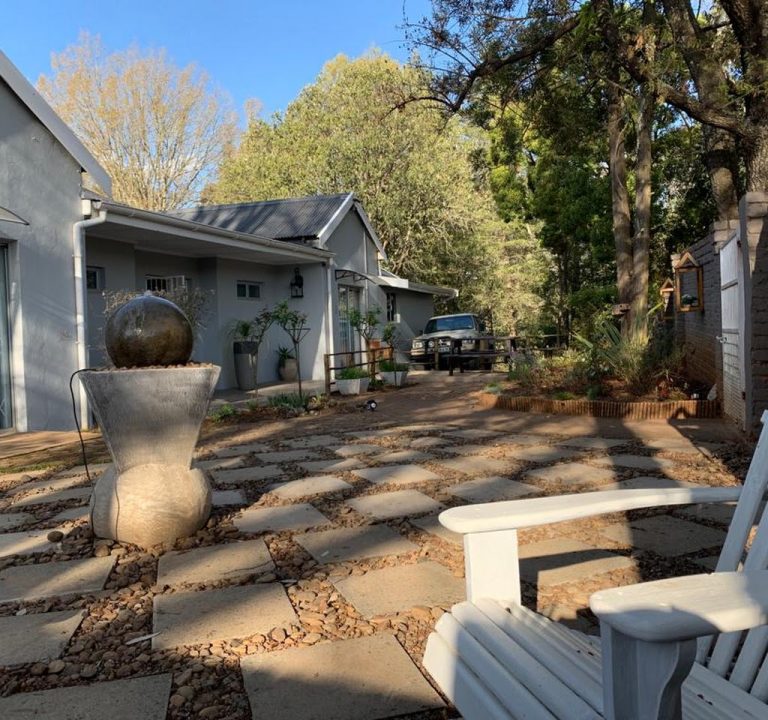
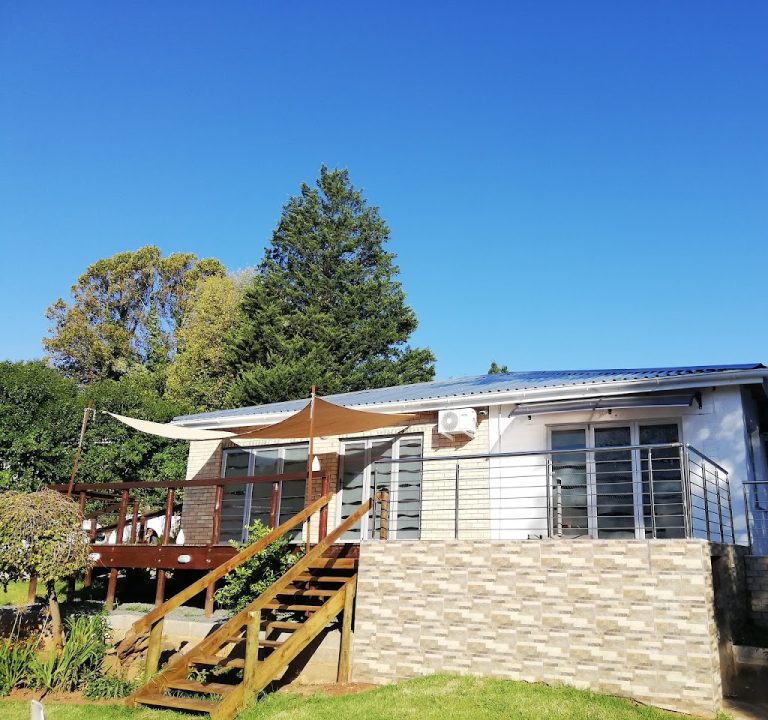
One example of the kind of stay you might seek is a charming B&B or lodge that offers a dedicated guest area—the Oak Lane B&B, for instance, as a lodging option within this landscape. It can provide a cosy base from which to explore, with the comfort of a personalised welcome and the allure of a home-from-home atmosphere. For those with a specific website or booking page, consult it for current availability, room types, and any seasonal packages that may enhance your visit.
Overall, a well-planned stay in Nqanqarhu blends comfortable lodging with opportunities to experience the region’s natural beauty and quiet rural hospitality. With careful booking, flexible plans and a sense of adventure, you can enjoy restful nights and rewarding days in this part of the Eastern Cape.