Phalaborwa, Limpopo: where to stay, things to do, and practical tips for travellers
Nestled near the northern edge of the Kruger National Park corridor, Phalaborwa offers a practical base for visitors who want to combine wildlife, outdoor activities and relaxed evenings in small-town comfort. The town is known for its warm hospitality, convenient access to wildlife reserves and a range of accommodation options that suit different budgets and travel styles. Whether you favour a guest house with a personal touch, a lodge with easy access to nature, or a self-catering option for family trips, Phalaborwa can accommodate a refreshing and moderately paced stay.
Accommodation in Phalaborwa tends to fall into several broad categories. Guest houses and small hotels provide intimate atmospheres and personalised service, often with a focus on friendly staff and home-cooked meals. Lodges and boutique properties can offer more expansive grounds, pool areas and views of surrounding savannah or riverine landscapes. For travellers seeking budget-friendly options or longer stays, self-catering units and apartment-style rooms are commonly available, sometimes within secure complexes or close to the town centre. When planning your stay, consider how you’ll balance daily excursions with downtime at the property—some places arrange game drives or guided nature walks, while others prioritise quiet afternoons by a pool or outdoor braai area.
Booking considerations and typical amenities
- Location and access: Proximity to major roads, the town centre, and the gate to Kruger National Park matters for easy day trips and reduced driving fatigue. Check whether the property provides transfer arrangements or car hire recommendations.
- Room options: Look for ensuite bathrooms, air conditioning or fans (important in warmer months), secure parking, and sensible privacy layouts for couples, families or groups.
- Hospitality and meals: Some guest houses offer full boards or lightly supervised breakfasts with optional dinner, while self-catering units may only provide a kitchenette. If you plan to dine out, ask about on-site dining options or nearby restaurants and markets.
- Outdoor spaces: Pools, shaded verandas, braai/BBQ areas, and outdoor seating can significantly enhance downtime after a day of excursions.
- Safety and privacy: A well-lit entrance, secure parking or access-controlled premises, and friendly staff familiar with the local area can help you feel at ease in the evenings.
- Wi-Fi and workspaces: If you need to stay connected, verify the quality of Wi-Fi in rooms or communal areas and whether workspaces are available.
- Accessibility: If you have mobility needs, confirm that bedrooms and facilities on the ground floor are available and enquire about step-free access where required.
Practical planning tips for a smooth stay
Best time to visit Phalaborwa hinges on your priorities. The winter months (Northern Hemisphere winter’s June through August) tend to offer milder daytime temperatures and good clarity for wildlife viewing, while the summer season brings vibrant landscapes and occasional thundershowers. If you’re aiming for shoulder-season prices and fewer crowds, consider the transitional periods between peak seasons. Pack a layering approach for mornings and evenings, and include sun protection for daytime excursions.
Transport around Phalaborwa is generally straightforward. A hire car provides the greatest flexibility for exploring private reserves, viewpoints and nearby towns. If you prefer not to drive, check in advance whether your accommodation can arrange guided tours, transfers or local pick-ups for day trips to Kruger’s southern or central sections, as these arrangements can simplify logistics and maximise your safari time. Within the town, expect compact streets, friendly shop fronts and markets where you can stock up on water, snacks and basic supplies before heading out for a day in the bush.
Dining and local experiences come with a flavour of Limpopo hospitality. Beyond hotel and guest-house dining, there are casual eateries and family-run spots where you can sample the region’s friendly, relaxed culinary approach. When planning meals, you may wish to reserve ahead at popular venues or ask your host for practical recommendations about proximity to supermarkets, late-night options and quiet venues suitable for families with children or larger groups.
Attractions and nearby experiences, in general terms, align with an outdoorsy itinerary: guided nature walks through scenic reserves, self-guided wildlife safaris at the doorsteps of the town, river and savannah viewpoints, and boat or pedalo-style activities if waterside areas are accessible. While the specifics of individual sites and tickets are subject to change, many travellers appreciate the opportunity to combine a few structured activities with ample downtime to soak up the landscape and enjoy the night sky after sunset.
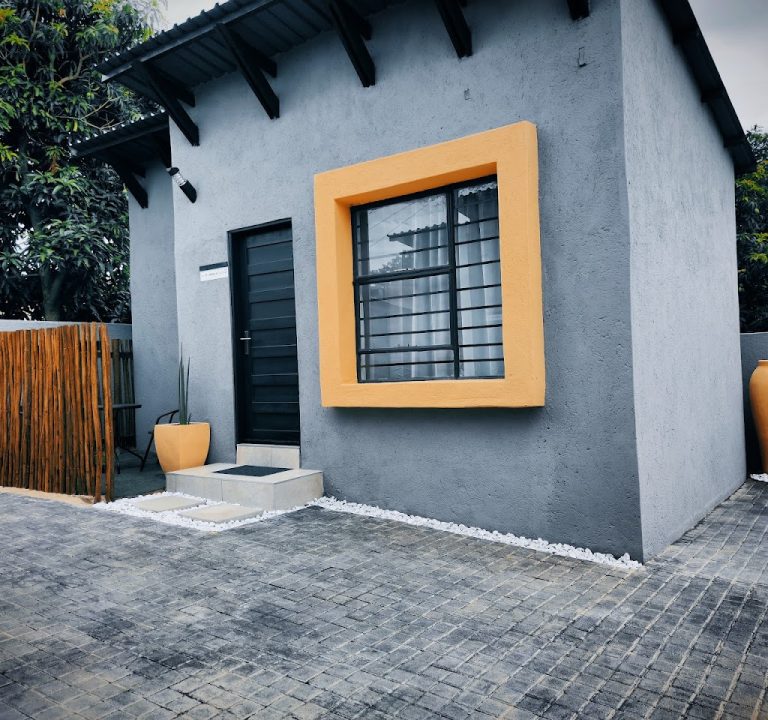
Practical tips for a comfortable stay with Sediba Accommodation as a base include confirming early check-in or late check-out where possible, asking the host for advice on weather-appropriate gear, and seeking local tips on short day trips, markets, and safety practices. A well-chosen guest house can feel like a home from home—a place to unwind between early-morning game drives and evening strolls, while still offering convenient access to Phalaborwa’s gateways, eateries and natural splendour.
For more inspiration and practical planning, you can explore official tourism resources and regional guides online. They can help you map out a balanced itinerary that combines a restful base with energising days spent in one of Limpopo’s most welcoming gateways to wildlife and nature.