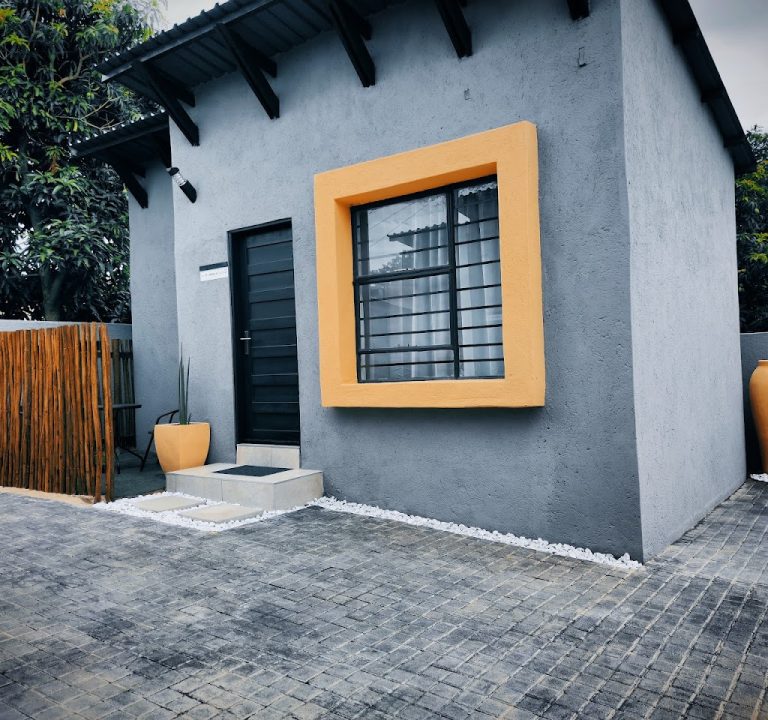
Accommodation and things to do in Phalaborwa, Limpopo
Phalaborwa sits on the edge of the famous Kruger National Park in Limpopo, South Africa, offering a convenient base for travellers seeking wildlife, outdoor adventures and easy access to the concession gates. The town has a growing array of stays that suit diverse budgets and preferences, from intimate guesthouses and self‑catering lodges to family‑friendly hotels. When planning a stay, consider the surrounding landscape, transport links and how close you want to be to Kruger Park entrances, local game viewing drives and the town’s amenities.
Accommodation options in Phalaborwa tend to cluster in several practical areas. The central town area puts you within easy reach of supermarkets, eateries and services, while riverfront or lodge‑style properties offer a quieter setting with more space and often personalised experiences. For families or groups, self‑catering units with cooking facilities and secure parking can simplify logistics after long days in the outdoors. If you are visiting primarily for wildlife, look for properties close to the Kruger Gate routes or near guided‑drive operators, but balance this with easy access to vehicle hire and airport transfers when needed.
Typical amenities you can expect include secure parking, air‑conditioning or fans for hot Limpopo days, private balconies or verandas for animal‑watching from your room, and daily housekeeping. Many properties offer outdoor pools, braai (barbecue) areas, and communal spaces where guests can mingle after a day in the bush. Free Wi‑Fi is common in mid‑range and higher‑end stays, which is convenient for sharing plans, organising drives, or checking park times. Child‑friendly facilities, such as family rooms or kid’s pools, are often available in family‑oriented venues. When booking, verify what is included in your rate—some properties offer breakfast packs, while others provide full board or self‑catering options.
Transport planning is essential. If you plan to self‑drive, you’ll want clear parking information and easy street access from your accommodation to major routes towards the southern Kruger gates. If you intend on joining guided safaris, confirm whether the property can arrange transfers or has partnerships with reputable operators. In rural Limpopo, some roads can be uneven or dusty, so a comfortable vehicle and a sat‑nav/printable route plan are wise. If you arrive by air, Phalaborwa has a local airstrip within reasonable reach of many lodges, but private transfers are often the simplest option after a flight.
The best time to visit Phalaborwa depends on what you wish to experience. The dry winter months (roughly May to September) offer clearer wildlife sightings as animals congregate near water sources, though mornings can be cool. Summer periods (October to March) bring warmer temperatures and afternoon thunderstorms, with the possibility of lush landscapes and active birdlife. Consider shoulder seasons for quieter stays and potentially better value. Always check current park hours and local conservation guidelines, as these can affect daily itineraries and game viewing opportunities.
When choosing where to stay, think about access to activities beyond the park as well. Phalaborwa has a range of experiences on offer, from guided bush walks and photographic safaris to cultural visits and light adventure such as cycling or riverine excursions. If you enjoy dining out, you’ll find a mix of local eateries and more contemporary restaurants within easy reach of most accommodation clusters. For convenience, some properties provide on‑site dining or have adjacent venues with varied menus. It’s wise to budget for a few indulgent meals out, balanced with self‑catering mornings for a relaxed start to the day.
Practical planning tips:
- Book early for peak holiday periods and school holidays, especially if you require a specific room type or family arrangement.
- Check for inclusive meals, kitchen facilities or grocery delivery options to suit your pace and preferences.
- Ask about safety features such as secure parking, on‑site security and approved late‑night transport options if you plan night drives or after‑dark activities.
- Confirm what activities are included or easily arranged through the property or nearby operators—worth noting for day‑by‑day planning.
Nearby attractions and experiences are varied and typically suited to all ages. In addition to wildlife viewing, many visitors explore the broader natural landscape, engage in guided bush walks, or enjoy scenic views along the region’s rivers and savannah. Dining options range from casual bistros to more refined venues, offering a taste of local flavours and international dishes. While exact establishment names and prices can change, the area generally provides a friendly mix of options designed to complement a bush‑and‑wildlife itinerary.
For planning the broader itinerary, consider pairing your stay with a visit to a conservation or wildlife‑focused attraction, a day trip into Kruger National Park via one of the southern gates, and a relaxed afternoon at a renowned sunset or river viewpoint. The key is flexibility: a well‑chosen base in Phalaborwa should keep travel times manageable while letting you maximise morning and late‑afternoon wildlife activity, with comfortable resets in the evenings at your chosen accommodation. With thoughtful selection of where to stay and how to move, a Phalaborwa visit can be a well‑balanced mix of nature, comfort and the warm hospitality South Africa is known for.