Phalaborwa: Accommodation, Attractions and Practical Tips for Visitors
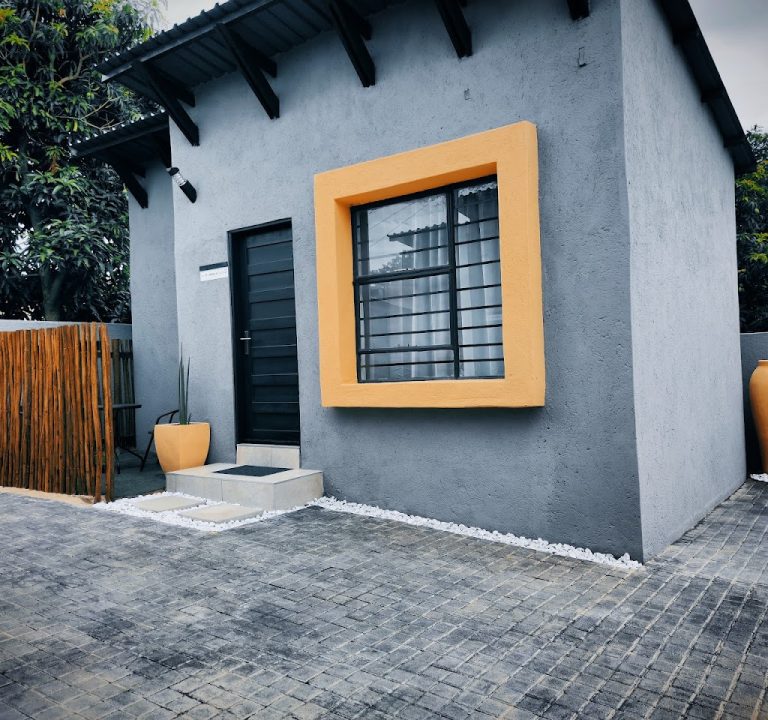
Phalaborwa sits in the northern reaches of Limpopo, known for its access to iconic wildlife experiences and a gateway feel that suits varied travellers. When planning a stay, it helps to think about choosing the right area, the type of lodging you prefer, and how you’ll structure day trips to nearby reserves and sights. The town itself offers a range of guesthouses, lodges, and self-catering options, with many properties designed to be welcoming for families, couples, and solo travellers alike.
Areas to consider when booking are centred around convenience and atmosphere. The most practical choices cluster near the town’s main streets, where you’ll find shops, eateries, and tours meeting points. A stay near the gates of wildlife reserves can save time for early-start game drives, while more tranquil, remote-sounding properties may provide a more peaceful base for long, relaxed days. If you’re hiring a car (highly recommended), ensure your accommodation has easy access to the main routes and clear parking arrangements.
Typical amenities to look for include reliable air conditioning or ceiling fans, as Phalaborwa can be warm in the dry season, and on-site kitchens or self-catering facilities for flexibility. Many guesthouses and lodges offer generous breakfast options, panoramic views, and shaded outdoor areas to unwind after a day out. Understand the policies on late check-ins, housekeeping schedules, and whether the property can arrange guided excursions, transfers, or recommend trusted local operators. Where possible, choose accommodation with secure parking, clear safety measures, and staff who can assist with local tips and logistics.
Booking considerations also involve the pace of your itinerary. If you intend to visit nearby wildlife reserves, you may want to align stays with guided morning or evening drives. Some properties offer private verandas or pool areas, ideal for cooling off between safaris. Always confirm bedding arrangements, accessibility, and accessibility of any facilities you may require. For longer stays, you might favour a mix of self-catering and concierge services to balance independence with the convenience of local support.
Transport in Phalaborwa is typically vehicle-centric. A rental car provides the most flexibility for early starts and for navigating out to nature reserves, picnic spots, and scenic viewpoints. Public transport options are more limited beyond the town centre, so plan accordingly. If you arrive by air, the closest major gateway is often a regional airport in adjacent towns, with road onward connections to Phalaborwa. Check with your accommodation about airport transfers or trusted local drivers. It’s wise to allow extra time for road transfers during peak travel periods or after seasonal rain when conditions can vary.
Best time to visit Phalaborwa depends on what you want to see. The dry season tends to bring more predictable wildlife viewing, with the landscape showing stark contrasts and animals concentrating around remaining water sources. The wet season brings lush vegetation and vibrant birdlife, which can be especially appealing for nature lovers and photographers. Early mornings and late afternoons are typically the most comfortable for excursions, so arrange your day around cooler hours and enjoy indoor, shaded spaces during the warmer midday hours.
When it comes to experiences, Phalaborwa offers a gateway to wildlife without needing to trek far. Visitors often base themselves in town to access reserves known for easy access and guided tours. Engaging with reputable tour operators can help tailor day trips to your interests, whether you’re after landscapes, wildlife viewing, or nature walks. Consider a mix of self-guided exploration and structured drives to balance flexibility with expert guidance. For meals, you’ll find a range of dining options in town—from informal eateries to more relaxed restaurants offering local flavours and comfort dishes. In addition to meals, many lodges and guesthouses provide courtyards or dining rooms where guests can soak in the atmosphere between activities.
Practical tips for planning a stay in Phalaborwa:
- Book early during peak seasons to secure preferred room types and access to guides or safari packages.
- Check cancellation policies and whether the property can accommodate changes to long-haul itineraries.
- Ask about electricity reliability and any backup power provisions, which can be important in some seasons.
- Inquire about on-site facilities such as kitchens, laundry, and pool areas to help you plan days around your comfort needs.
- Request guidance on safe driving practices, road conditions, and local regulations to ensure smooth travel between attractions.
- Plan a balanced mix of wildlife experiences, cultural insights, and downtime to make your stay restful as well as adventurous.
- Consult official tourism resources for current advisories, seasonal highlights, and suggested routes to ensure you optimise your time.
For those seeking further inspiration, official tourism sites and regional guides offer practical itineraries and profiles of nearby attractions and dining options. A well-chosen stay in Phalaborwa can combine easy access to iconic wildlife experiences with the comfort of a considerate, guest-focused accommodation. With thoughtful planning, you’ll experience the region’s natural beauty, hospitality, and distinctive South African character in a way that suits both your interests and your pace.
Useful links to start planning your visit can include official regional tourism portals and SANParks resources for the broader area. For more information and ideas on stays, activities, and routes, browse the local accommodation listings and tourism pages at your convenience: SANParks, Limpopo Tourism Agency, and regional visitor guides accessible through respective tourism websites.