Staying in Phalaborwa, Limpopo: where to stay, what to do and practical tips
Phalaborwa sits in the heart of the Limpopo province, famed for its access to some of South Africa’s premier wildlife experiences. When planning a stay, many visitors weigh location, comfort and convenience: a guest house or boutique lodge in the town centre offers easy access to shops and eateries, while properties near the water features or gate areas can provide a more tranquil base for day trips into the surrounding nature reserves. Options range from compact guest houses to larger lodges, with many offering a friendly, personalised welcome that’s ideal for travellers seeking a low-stress break.
Areas to consider when booking include the town centre for convenience and budgets, and quieter neighbourhoods near game viewing routes or close to the main gates of neighbouring parks. If you plan to spend long days on safaris or self-drive excursions, look for a property that can arrange courser activities, early breakfasts, or packed lunches. For a more relaxed pace, a guest house with a pool, shaded outdoor seating and a generous breakfast is ideal after a morning spent exploring the region’s natural beauty.
Typical amenities to look for include secure parking, air-conditioned rooms, en-suite bathrooms, reliable Wi‑Fi, and a welcoming common area where travellers can unwind. Some properties may offer additional features such as a small kitchenette, barbeque facilities, or organised outings. For families or groups, ask about family rooms or adjoining rooms, and check if the establishment can provide child-friendly options or early meals to suit a busy safari schedule. If you’re travelling with equipment—think cameras, hiking gear or birdwatching items—check how storage and charging facilities are managed on site.
Transport is a practical consideration. Phalaborwa is well connected by road, and many visitors hire a car to explore the surrounding landscape at their own pace. If you’re relying on transfers, confirm whether your accommodation can assist with airport or gate transfers and whether they can arrange guided day trips, game drives or excursions to nearby reserves. For those who prefer not to drive, look for properties with easy access to local tours or public transport links, and ask about the feasibility of walkable routes to nearby eateries and shops.
Best time to visit Phalaborwa centres on wildlife viewing and climate. The area has a warm, subtropical climate, with a pronounced wet season. The dry winter months can be excellent for safari experiences, as animals tend to congregate around water sources and visibility is often better for game viewing. The wet season brings lush landscapes and the possibility of birdwatching and photography opportunities. Regardless of the season, packing versatile clothing, sun protection and a light rain jacket is sensible. If you plan to combine a safari with other activities, consider scheduling flexibility to accommodate changes in weather or wildlife concentrations.
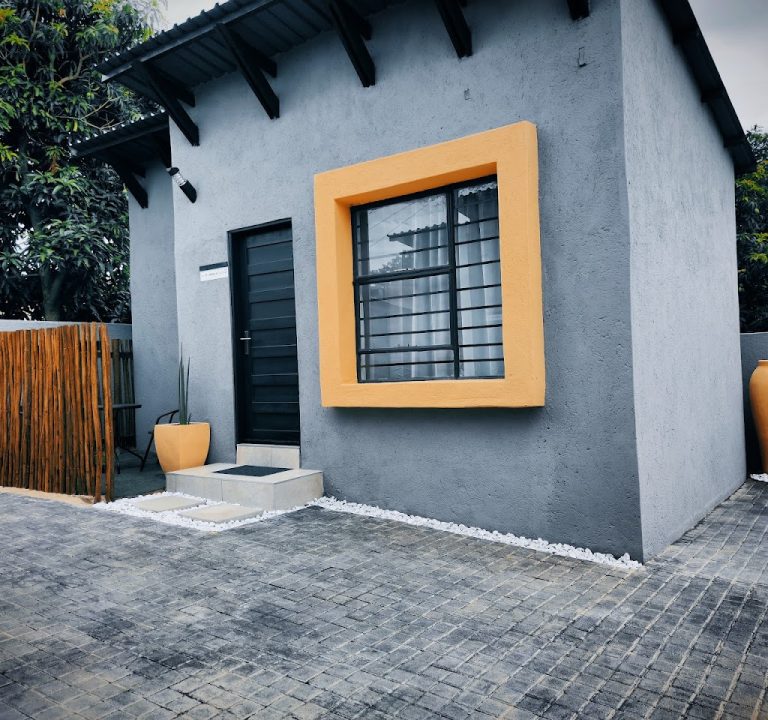
Accommodation in Phalaborwa frequently emphasises guest-friendly hospitality, with hosts who can share local tips and help tailor your itinerary. A guest house such as Modjiemedi Guest House, for example, represents a local option that blends a homely atmosphere with practical amenities. When booking, read recent guest feedback for notes on cleanliness, quiet hours, and the responsiveness of the host. It’s also worth checking policies on housekeeping frequency and whether breakfast options include regional favourites, which can enrich a stay without needing to seek multiple meals away from the property.
Nearby attractions and activities attract visitors who want a balanced itinerary. General terms describe opportunities for day trips to nearby game reserves, wildlife viewing areas, and scenic drives, all of which can be arranged through your accommodation or local operators. Expect to see descriptions of guided safaris, self-drive routes, and boat or river-related activities in the broader Letaba and Mopani regions. Distinctly local experiences often include guided walks, community-led souks or markets, and dining experiences that showcase Limpopo flavours. For planning purposes, verify what is included with your stay—such as breakfast, guided activities, or transfers—and what you might book separately to fit your budget and interests.
Dining in Phalaborwa ranges from casual cafés to more substantial restaurants offering South African grills and contemporary dishes. When choosing where to eat, consider proximity to your accommodation and the likelihood of returning late from a day’s activities. Many guest houses and lodges will be able to recommend reliable, well-rated options nearby and can sometimes arrange private dining experiences or cookery demonstrations that showcase regional produce. As with accommodation, it’s useful to check reviews for consistency in service, cleanliness and value rather than focusing solely on price or a single standout feature.
- Ask about parking and security; confirm access hours and quiet times.
- Check breakfast availability, and whether there are options for early starts if you’re heading out on safaris.
- Clarify what is included in the rate (parking, Wi‑Fi, tours) and what might incur extra costs.
- Inquire about transfers or guided day trips and how they align with your planned activities.
- Pack for changeable weather and plan for long days outdoors with comfortable footwear.
Phalaborwa offers a friendly base from which to explore the Waterberg region and surrounding nature reserves while enjoying the comforts of well-run guest houses and lodges. By weighing location, amenities and your planned activities, you can secure an arrangement that fits your pace and budget. With thoughtful planning, your stay can smoothly blend wildlife adventures, relaxed downtime and a taste of Limpopo hospitality.