Durban: A Guide to Accommodation and Highlights for a Well-Planned Stay
Durban, perched on the east coast of KwaZulu-Natal, offers a warm subtropical welcome and a blend of beachside relaxation, vibrant dining, and rich cultural experiences. When planning a stay, the choice of neighbourhood can shape your days and evenings—from the buzzing promenade and Golden Mile to leafy residential districts and tranquil coastal villages nearby. Whether you’re seeking easy beach access, convenient transport links, or a quieter base with access to nature and heritage, Durban has options to suit a range of travel styles.
Areas to consider when booking your stay
- Durban North and the shoreline eastwards for easy beach access and a relaxed pace.
- The Golden Mile and central Durban for proximity to attractions, restaurants, and nightlife.
- Berea and Morningside for a mix of residential calm with stylish cafés and easy tram or Uber access to the city centre.
- Umhlanga and the Umhlanga Rocks area for an upmarket beach vibe, lighthouses, and a family-friendly atmosphere a short drive from the city.
- Greyville, Glenwood, and other inner-city pockets for heritage architecture, markets, and a walkable footprint to galleries and eateries.
What to look for when booking a room or a lodge
- Noise and light: If you plan long days out, a quiet room with good blackout options helps you rest after coastal sunsets.
- Air conditioning and heating: Durban can be warm in the summer; a reliable cooling system and ceiling fans contribute to comfort year-round.
- Wi‑Fi reliability: A stable connection is essential for planning day trips, checking tide times, and staying connected.
- Parking and security: Look for on-site parking or secure access in safe residential areas, with clear entry procedures.
- Facilities and amenities: Consider self-catering options, laundry facilities, and luggage storage if you’re moving between stays or taking short excursions.
- Proximity to transport links: A short walk to a bus stop or taxi or ride-hailing access can save time when heading to major sights or markets.
Typical amenities you may encounter
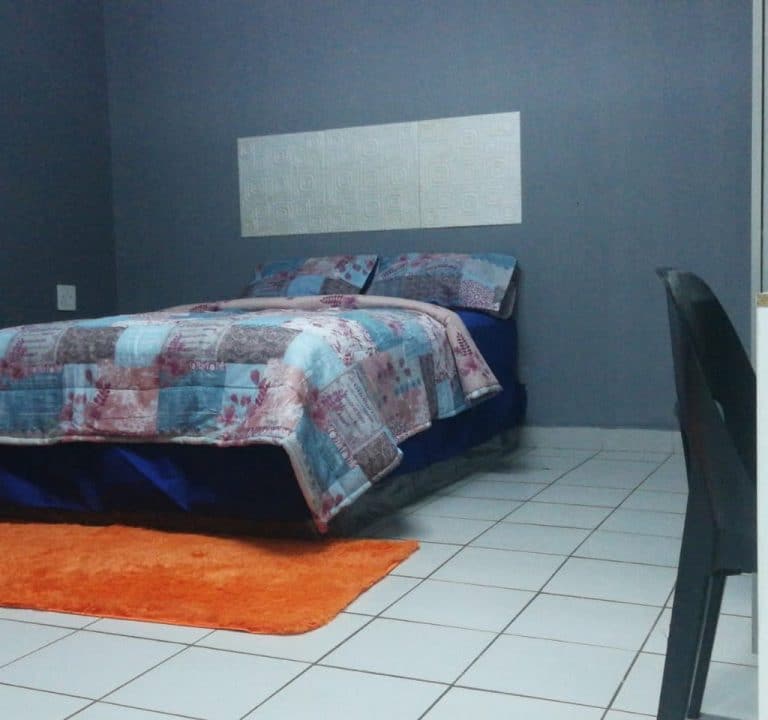
- Comfortable rooms with en-suite bathrooms, ceiling fans or air conditioning, and daily housekeeping.
- Shared or private lounges, verandas, or courtyards for relaxed evenings outside.
- On-site eateries or easy-access dining options nearby, ranging from casual cafés to more formal dining.
- Outdoor spaces such as balconies, patios, or garden areas to enjoy Durban’s climate.
- Tour assistance or local advice desks to help plan day trips, safaris, or cultural tours.
Transport and getting around
Durban’s transport mix supports a flexible itinerary. The city centre and coastal belt are linked by urban bus services and ride-hailing apps, while some areas are a comfortable walk or short drive from main attractions. If you are staying outside the central zone, check whether your accommodation offers shuttle services or has partnerships with local tour providers. Consider arranging a day trip in advance if you plan to explore outside the city, such as nearby nature reserves or hillside villages.
Best time to visit
Durban’s climate is characterised by warm summers and mild winters, making it a year-round destination. Spring and autumn offer comfortable temperatures for outdoor activities and coastal walks. Summer can be lively with longer days and swimming opportunities, but it can also bring higher humidity and rainfall. If your itinerary prioritises outdoor activities or beach time, planning around the dry, cooler shoulder seasons can be rewarding. Pack sun protection, light layers for evenings by the sea, and a light rain jacket for occasional showers.
Practical tips for a smooth stay
- Plan in advance for peak periods in school holidays and major events—availability and prices can fluctuate quickly.
- Budget time for transfers between the coast, markets, and nature reserves to avoid peak traffic.
- Bring or rent a small daypack, water bottle, and sun protection for day-long explorations along the beachfront and into surrounding hills.
- Check whether the property offers secure parking if you will be driving, and confirm access times if you plan late arrivals.
- Look for accommodation that can offer guidance on local eateries and cultural experiences, including markets, galleries, and music venues.
What to do and what to eat (at a high level)
Durban’s attractions span beaches, maritime heritage, and verdant hills. Along the coast, you can enjoy extended promenade walks, seasonal markets, and views across the Indian Ocean. Inland, the area offers galleries, heritage sites, and nature-filled excursions. Dining tends to reflect a fusion of coastal influences, with emphasis on fresh seafood, spice blends, and African flavours. For a balanced plan, combine time on the Golden Mile with a visit to nearby parks or cultural districts, and set aside an evening to explore a recommended restaurant or casual eatery after a day of discovery.
Booking note: if you are considering a stay in a lodge such as Savannah City Lodge or similar properties, you can review official websites for current room types, inclusions, and any guest services offered. For broader inspiration and practical planning, Durban’s official tourism resources provide practical tips and suggested itineraries to tailor your visit to your interests.