Durban: accommodation, attractions and practical planning for a memorable stay
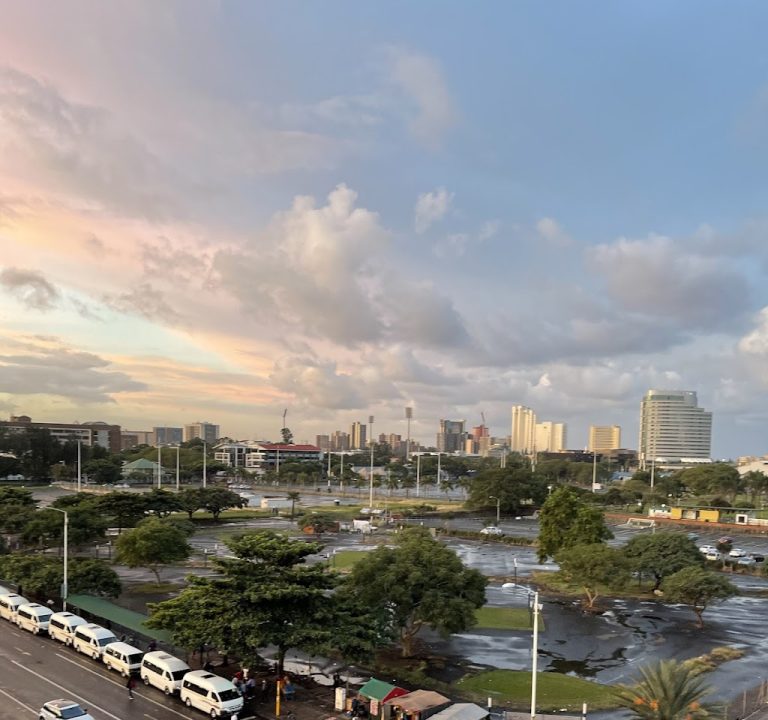
Durban in KwaZulu-Natal is a city of warm welcomes, subtropical streets and a coastline that invites long days by the sea. When planning a stay, consider the mix of neighbourhoods that suit different aims—family breaks, romantic escapes, or active city explorations. Durban’s accommodation ranges from boutique guesthouses to larger hotels and self-catering apartments, many offering easy access to the beach, parks and the city’s cultural hubs. A well‑chosen base makes it easier to pace days, explore on foot or by public transport, and return to a comfortable perch after busy itineraries.
Where to stay is often the first decision. The beachfront area along the Golden Mile blends easy sea access with dining, nightlife and strolls along the promenade. The Berea neighbourhoods provide a quieter, leafy setting with stylish guesthouses and character hotels, often just a short ride from the seafront. If you want a contemporary, family-friendly vibe with broad road access and shopping options, consider Durban North or Umhlanga, where many properties offer parking and modern amenities. For a more eclectic, inner-city experience, areas such as Morningside or Glenwood offer convenient access to culture, eateries and markets while staying within reach of central Durban’s sights. For those seeking a resort feel or coastal views with a little distance from the centre, outlying coastal suburbs and the wider Durban region can provide tranquil stays with good road links to major attractions.
Typical amenities you may encounter include reliable Wi‑Fi, air conditioning, private bathrooms, and well-equipped kitchens in self‑catering properties. Breakfast options vary from light continental offerings to hearty cooked dishes, and some places may publish guest access to shared lounges, gardens or swimming pools. If you are travelling with a family or group, look for larger suites or apartments with separate living areas and multiple bedrooms. For business travellers, enquire about workspaces, conference facilities or quiet zones. Parking availability is a practical consideration in busy areas, so check whether on-site parking, secure garage spaces or easy street access is included in the rate. Accessibility features, such as lifts or ground-floor entrances, are worth confirming if that is important to you.
Planning your days while in Durban often means balancing outdoor time with cultural stops. The coastline offers a long promenade for walks or cycling, with many places to stop for snacks or refreshments. The city’s larger parks and botanical spaces provide peaceful respite from the bustle, while museums and galleries offer insight into the region’s history and art. Family-friendly attractions, such as marine and theme areas along the coast, can be a highlight for younger visitors. For food lovers, Durban’s dining scene spans South African street-food style casual bites to modern eateries serving regional flavours. It is common to find venues that focus on seafood, Curries and other South African favourites, often with menus that highlight local ingredients. Booking ahead for peak hours or busy weekends is sensible, though many places welcome walk-ins outside of peak times.
Transport in Durban is fairly straightforward, though planning ahead helps. If you are staying near the beachfront or in central areas, walking and short rides by taxi apps or local shuttle services can be convenient. For longer day trips or to reach suburban areas, renting a car offers flexibility, especially if you prefer early starts to avoid traffic. Public transport options include local bus routes and, in certain corridors, commuter services. If you are staying in a hotel or guesthouse with arranged transfers, verify pickup points and times in advance. A waterproof map or offline navigation can be helpful given the varying road layouts in Durban and surrounding suburbs.
The best time to visit Durban tends to be influenced by weather patterns and the spirit of the city you want. Durban enjoys a subtropical climate with hot, humid summers and milder, drier winters. May to August is typically cooler and drier, making it pleasant for outdoor exploring and possibly lower humidity. December to February brings warmth, longer days and a lively beach atmosphere, though the humidity and occasional heavy showers are considerations. Shoulder seasons—April and September—can offer balanced weather and fewer crowds. Regardless of when you go, packing layers, sun protection and a light rain jacket will help you adapt to changing conditions.
Practical tips to maximise your stay:
- Book a property with secure parking if you will be hiring a car, especially in popular central areas.
- Check proximity to the beach, shops, and public transport when choosing accommodation, and read guest reviews for noise levels and neighbourhood character.
- If you have mobility needs, verify access features and whether lifts, ramps or level entrances are available.
- Look for properties with flexible cancellation policies and clear house rules about guests, arrivals, and shared spaces.
- Plan a mix of beach days, cultural stops and market visits to capture the breadth of Durban’s offerings, leaving space for spontaneous discoveries.
For inspiration and practical planning resources, you can explore Durban’s official visitor information online, which offers insight into areas to explore, suggested itineraries and practical travel tips. Whether you chase coastline or culture, Durban’s hospitality and diversity make it a city worth lingering in.