Durban: where to stay and what to do in KwaZulu-Natal
Durban offers a dynamic mix of beaches, urban culture and natural beauty, making it a rewarding destination for travellers seeking value and variety. When planning a stay, consider choosing a neighbourhood that matches your plans—whether you want beach access, easy transport links, or a quieter residential feel. Durban’s accommodation ranges from practical city hotels and budget-friendly lodges to boutique guesthouses and longer-stay apartments, making it possible to tailor a stay to most budgets and preferences.
One practical approach is to structure your stay around a couple of well-connected areas. The northern beachfront is ideal for seafront walks and easy access to swimming and water-based activities. The central business district offers proximity to historic architecture, markets, and a selection of dining options, while the southern parts of the city provide more relaxed, family-friendly neighbourhoods and easy access to larger shopping centres and drive-to excursions. If you are exploring the surrounding region, keeping a base near a reliable transport link—such as major roads or a convenient city centre hub—can save time and reduce daily commute stress.
Typical amenities to look for when booking include free Wi-Fi, air conditioning (important in Durban’s warm months), secure parking, and on-site dining or kitchen facilities. A comfortable bed, good quality linens, in-room storage, and a well-equipped bathroom are essential for a restful stay. For families, child-friendly spaces, perhaps a balcony or a small outdoor area, and easy access to parks or beaches can be decisive. For business travellers, quiet workspaces, power points near work surfaces, and easy access to meeting facilities can tip the balance toward one property over another.
Transport is a practical consideration in Durban. A central base with easy access to major arterials and affordable taxi options can be more convenient than a remote location. If you plan to rely on public transport, check proximity to bus routes or rail links, and whether the property offers shuttle services or organised tours. If you prefer self-drive exploration, ensure your accommodation has secure parking and convenient street access. A quick tip: many guesthouses and hotels in Durban are happy to offer local tips on traffic patterns and best routes for day trips to nearby attractions.
Best time to visit Durban tends to be during the late spring, autumn and winter shoulder seasons when the weather remains mild and the city is less crowded than in the peak December holidays. Summer visits can be energetic, with beaches and outdoor events at their best, while winter evenings are cooler but still pleasant in many parts of the city. It’s wise to check forecasted rainfall and sea temperatures if you plan outdoor activities such as swimming or coastal walks.
Durban’s attractions cover coastal scenery, cultural experiences, and nature. Along the Golden Mile, you’ll find promenades, public art, and places to pause for a snack or a drink while enjoying ocean views. The uShaka Marine World complex is a destination for families and ocean enthusiasts, offering aquaria and marine-themed experiences. For nature lovers and hikers, the nearby hills and valleys of KwaZulu-Natal provide opportunities for scenic drives and wildlife spotting. Cultural experiences range from markets and craft stalls to districts with historical architecture and music scenes. When planning your days, consider pairing a beach morning with a later afternoon exploration of a nearby town or reserve to avoid the strongest midday sun.
Accommodation in Durban spans a spectrum of styles. Budget-conscious travellers can find functional hotels and roadside lodges, while mid-range options often combine comfortable rooms with practical amenities such as breakfast services or on-site dining. For those seeking a little more character, boutique guesthouses and stylish bed-and-breakfasts frequently offer personalised service, smaller intimate settings and locally sourced decor. If you are staying for a longer period or want more space, serviced apartments and self-catering options can be particularly convenient, with kitchen facilities and living areas that resemble a home away from home.
Dining in Durban is part of the experience. The city’s culinary scene reflects its diverse population and coastal location, with seafood-centric favourites, vibrant street food, and a range of contemporary eateries. While specific restaurants and menus evolve, travellers typically enjoy trying neighbourhood spots that offer fresh ingredients and a welcoming atmosphere. It’s common to find bakeries, coffee shops and casual eateries near major hotel clusters and along the beachfront, making it easy to dine without long waits or complicated reservations.
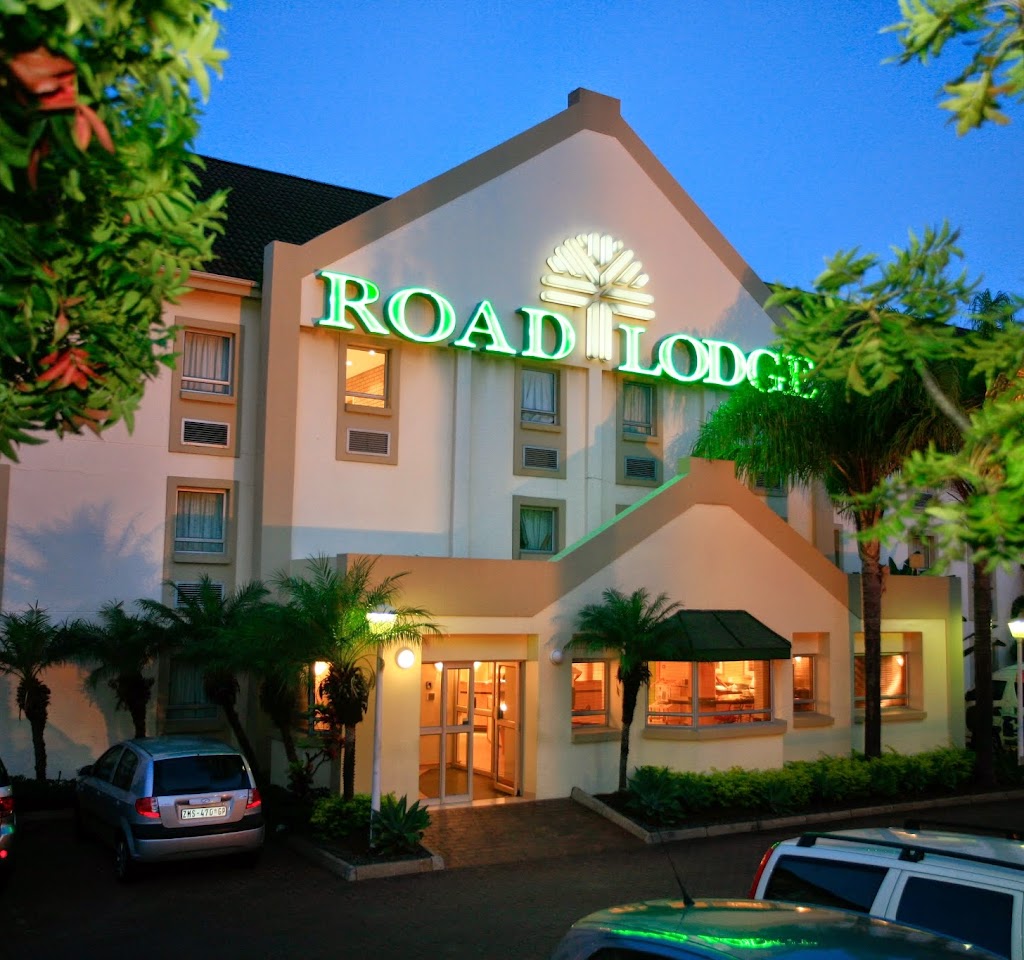
When booking specific properties, verify practical details such as check-in and check-out times, policies on children and pets, and cancellation terms. Reading recent guest reviews can reveal real-world insights into cleanliness, service consistency, and how well an area suits your travel style. If you are considering a well-known accommodation in Durban, for example a property with a strong city-centre profile, you can learn more about its location and features on the property’s official website: Road Lodge Durban.
To help you plan a balanced itinerary, here is a quick checklist:
- Identify 2–3 preferred neighbourhoods based on access to beaches, transport, and dining.
- Choose accommodation with essential amenities and clear cancellation terms.
- Map out a mix of beach days, cultural experiences and nature excursions.
- Check local markets and recommended eateries near your base.
- Consider a day trip to a KwaZulu-Natal natural area if time allows.
Durban is a destination that rewards flexible planning, a relaxed pace, and a willingness to explore both city and coast. With careful selection of accommodation, the right transport options, and a mix of experiences, a stay in KwaZulu-Natal can be both comfortable and richly memorable.