Durban: Where to stay, what to plan, and how to make the most of KwaZulu-Natal’s coastline
Durban, a dynamic mix of subtropical beaches, colonial architecture and a vibrant culinary scene, offers a wide range of accommodation to suit every type of traveller. Whether you’re seeking a beachfront hostel with social vibes, a characterful guesthouse tucked in a leafy suburb, or a modern hotel with easy access to the city’s attractions, you’ll find options that feel both convenient and welcoming. Planning a stay around Durban’s climate, transport links and local experiences helps you get the most from a visit to KwaZulu-Natal’s largest city.
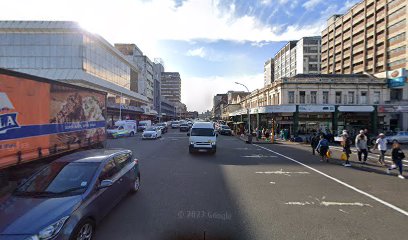
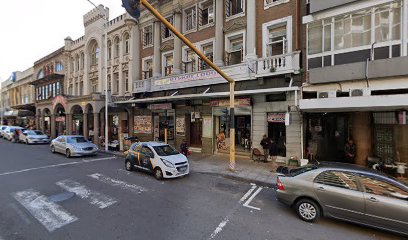
Areas to consider when booking are key to getting the most from your trip. The coast along the Golden Mile offers direct access to beaches, promenades and a concentration of hotels, guesthouses and self-catering apartments. For a quieter base with convenient access to shops and restaurants, consider central districts that blend residential charm with urban amenities. The northern suburbs provide a more resort-like atmosphere with newer developments and coastal viewpoints. Inland neighbourhoods near university campuses and parks can be cost-effective and convenient for longer stays, while still putting you within easy reach of the coast by short taxi or ride-share journeys. When choosing an area, think about how you’ll move around—Durban’s public transport is expanding, but many visitors find a car or regular ride-share convenient for exploring outside the immediate neighbourhood.
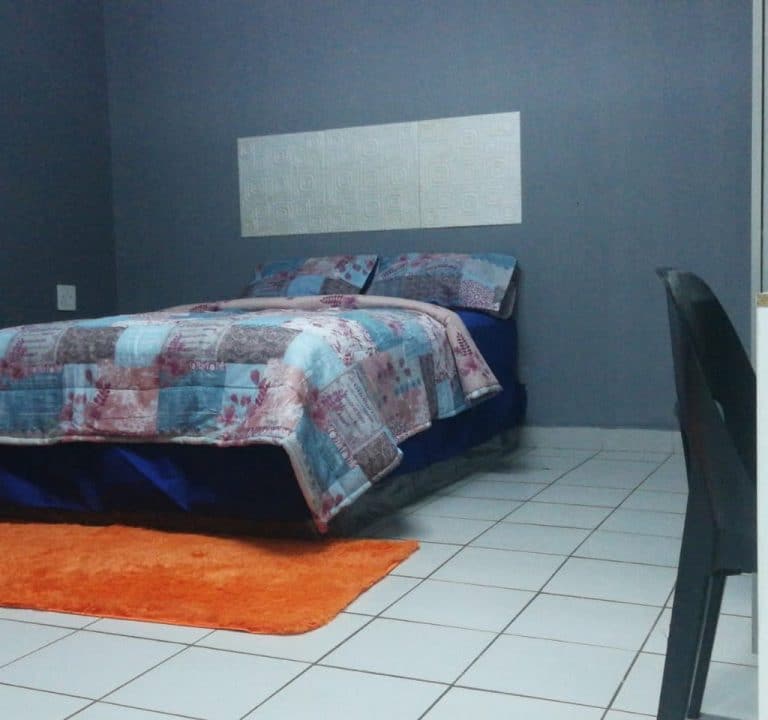
What to look for when you book is as important as the view from your window. Practical features to prioritise include secure access, reliable wi‑fi, effective housekeeping, and transparent cancellation policies. If you’re chasing a social vibe, a hostel or guesthouse with communal spaces and organised activities can be ideal. For families or those seeking a bit more privacy, serviced apartments or boutique hotels with kitchenette facilities can be a better fit. Check the property’s policies on parking, daily housekeeping, and accessibility if relevant to your plans. When comparing rates, consider what’s included in the price—breakfast options, use of a communal kitchen, access to a pool, or proximity to public transport can all influence overall value.
Typical amenities in Durban accommodation range from air conditioning and ceiling fans to en-suite bathrooms and safety features such as electronic door entry and secure parking. Many guesthouses and B&Bs offer personalised service, with hosts who can provide local tips, arrange transport, or recommend nearby attractions and dining spots. Beachfront properties often feature easy access to the promenade, while city-centre stays may boast stylish design, on-site dining, and meeting or workspaces for travellers who need a bit of remote-working setup.
Transport in Durban is a practical consideration for planning your stay. The city has a growing network of bus services and a rail system that crosses the coastal belt and beyond, which can be cost-effective for day trips. Taxis and ride-sharing apps are widely used, and many accommodation providers offer airport or transfer services for guests travelling from afar. If you plan day excursions to the inland parks, reserves, or nearby coastal villages, having a car can give you flexibility and control over your schedule.
The best time to visit Durban is influenced by the climate and crowds. The city enjoys warm, subtropical weather for most of the year, with summer rainfall and balmy winters. Peak holiday periods often coincide with school holidays and long weekends, so booking well in advance is advisable if you’re travelling during these times. A lighter crowd and lower rates can be found outside peak periods, while still offering pleasant beach conditions and plenty of daylight hours to explore.
Plan your days with a mix of outdoor and cultural experiences. Durban’s beaches are famous for their long stretches of golden sand and safe swimming areas. Beyond the coast, you’ll find cultural experiences and markets, historic architecture, and green spaces where you can enjoy picnics or a relaxed stroll. In terms of dining, Durban’s restaurant scene is wonderfully diverse, reflecting Indian, African, Malay, and contemporary influences. You’ll typically find casual eateries, casual fine-dining options, and family-friendly venues offering something for every palate. As you plan meals, you can check restaurant reviews and local guides for recommendations on where to sample a mix of street-food style snacks and more sit-down meals.
Practical tips to maximise comfort and enjoyment on a Durban stay:
- Book accommodation with secure access and reliable wi‑fi, especially if you need to stay connected for work or travel planning.
- Consider a base with easy access to the coast for daily beach time or a quick stroll along the promenade.
- Factor in transport needs: a central location with good access to taxis or ride-share options can reduce travel time between sights and meals.
- Pack sun protection, light cotton clothing for the subtropical climate, and a light rain jacket for occasional showers in the warmer months.
- Ask hosts or front desk staff for current safety tips and local etiquette to ensure a smooth stay in busy tourist areas.
Durban has plenty to offer beyond the coast, with experiences that showcase the region’s natural beauty, cultural heritage, and culinary creativity. For inspiration, you can visit official tourism resources or hotel and guesthouse websites that provide practical guidance, local tips, and suggested itineraries. Whether your stay is a short city break or a longer island-hopping style visit within KwaZulu-Natal, Durban’s welcoming lodging, friendly neighbourhoods and range of activities can help you plan a memorable and enjoyable trip. For more information and ideas, explore the city’s official tourism portals and accommodation booking sites.