Johannesburg: A guide to accommodation and experiences in Gauteng
Johannesburg, often simply called Jo’burg or Jozi, is a sprawling city of contrasts, where modern towers sit beside historic streets and vibrant neighbourhoods pulse with culture. When planning a stay, think about the area that suits your style, the pace you want, and how you’ll get around. A well-chosen base can make it easy to explore museums, markets, parks and lively dining scenes without long-haul travel every day.
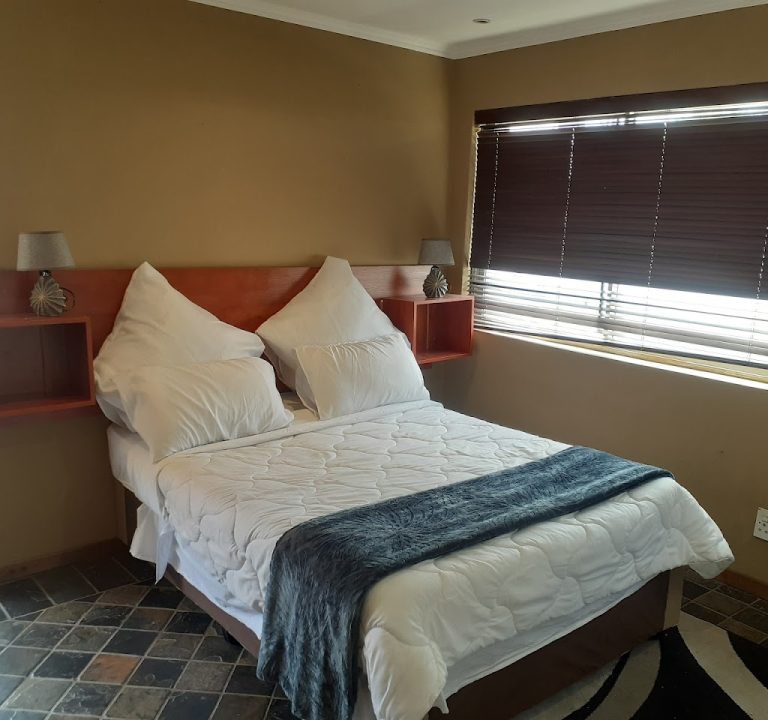
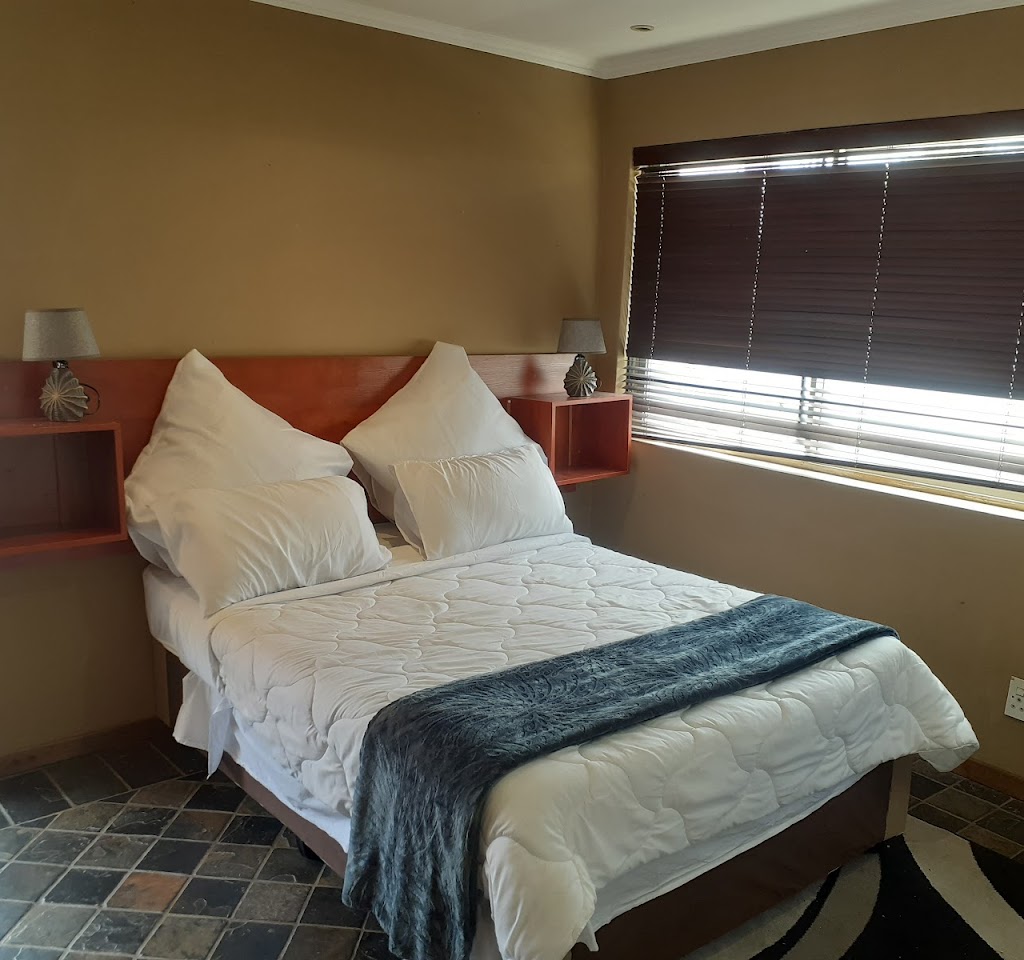
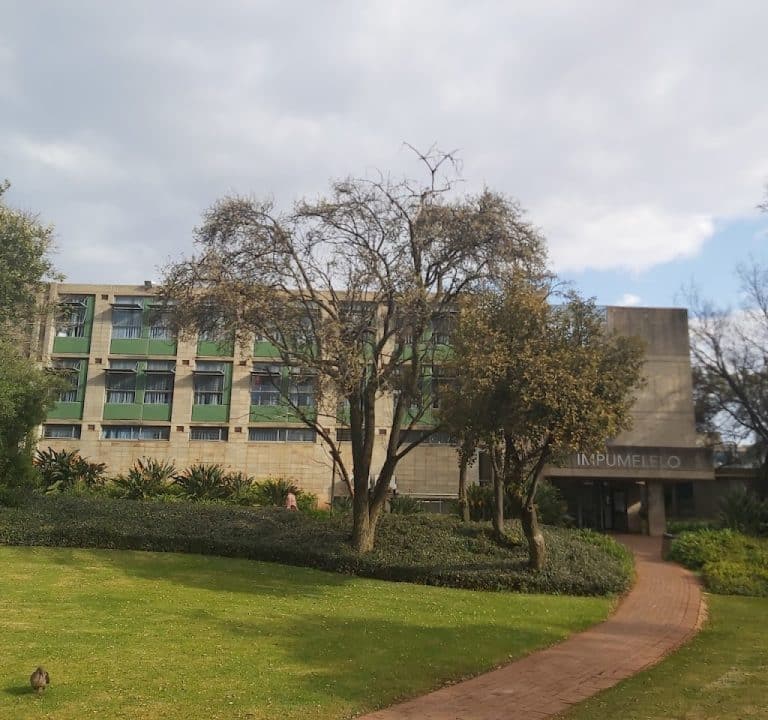
Consider staying in a few distinct areas to get a feel for the city. Sandton and surrounding suburbs offer a cosmopolitan mood with large shopping centres, business facilities and good transport links for day trips. Rosebank provides a mix of galleries, markets and accessible metro routes, while Maboneng and Braamfontein offer a more bohemian, artsy tempo with hip cafés and street art. For leafy streets and easy access to university campuses, Parktown and surrounding neighbourhoods can be quieter bases. If you prefer a lively, budget-friendly vibe with a historic-core feel, Melville is a popular choice for visitors who enjoy a walkable precinct with eateries and a relaxed atmosphere. A guest house such as Sasha guest house can be a comfortable mid-range option that balances character with practical amenities while staying close to major routes and attractions.
When choosing accommodation, assess a few practical features. Look for secure, well‑lit entrances and reliable reception or front-door accessibility. Check bed configuration options—whether the property offers en-suite bathrooms, air conditioning, suitable heating for the season, good Wi‑Fi, and self-catering facilities if you want flexibility. A clean, well‑maintained common area and reliable housekeeping are important signals of thoughtful hosting. If you plan to navigate independently, proximity to public transport hubs or main roads can save time; many visitor-friendly guest houses will advertise easy access to the Gautrain stations, bus routes, and rideshare options.
Booking tips to help you plan:
- Read recent guest reviews to gauge consistency in service and cleanliness.
- Compare cancellation policies and whether breakfast options are included or available nearby.
- Check parking arrangements if you are driving, and whether street parking is available and safe.
- Confirm if staff can assist with local information or arrange day trips and secure airport transfers.
- Look at accessibility if you have mobility needs, including lift access and step-free routes.
Typical amenities that travellers value include reliable Wi‑Fi, a well-equipped kitchenette or kitchen lounge, communal areas for socialising, and laundry facilities. A comfortable bed, quiet rooms, good temperature control, and ample storage can make a big difference during a busy itinerary. Several guest houses also offer curated guest information—maps, suggested walking routes, and local dining recommendations—that can help you tailor days to your interests, whether you’re into history, modern art, markets, or gastronomic adventures.
Getting around Johannesburg requires a bit of planning. The city is large, and traffic can be busy, especially during peak hours. If you are staying near a Gautrain link or major bus corridors, you’ll have quicker access to the northern business areas, Sandton, and Pretoria. Uber and other ride-hailing services are widely used, though it’s sensible to arrange city-centre routes during daylight hours and in well-lit areas after dark. For day trips, consider combining a half-day museum visit with a stroll through a cultural precinct, or book a gentle guided tour that focuses on architecture, street art, or historical sites. Many guest houses can help you book reputable guides or secure transfers, which can take the guesswork out of your plans.
The best time to visit Johannesburg is generally during the dry season, from May to September, when visibility is high and outdoor activity is comfortable. Spring and autumn offer milder temperatures and can be ideal for city walks and neighbourhood exploring. If you travel in the summer, be prepared for warm days with sudden showers; afternoons can be settled with a café stop or a short visit indoors to beat the heat. Rain rarely disrupts major outdoor attractions for long, but it’s wise to plan flexible days so you can swap activities if needed.
Tourism in Johannesburg tends to revolve around museums, markets, heritage sites, and creative hubs. You’ll encounter a spectrum of experiences—from galleries and restored industrial spaces to markets where crafts and fresh produce are traded, alongside bookstores, cafés and casual eateries. In terms of dining, look for venues that offer a mix of traditional flavours and contemporary South African cuisine, alongside spots that specialise in seasonal, locally sourced ingredients. The city’s restaurant scene is as varied as its neighbourhoods, with options ranging from casual bistros to more curated dining experiences. If you enjoy a meal with a view, you’ll also find venues that place you close to urban panoramas or garden spaces, making a stay both convenient and refreshing.
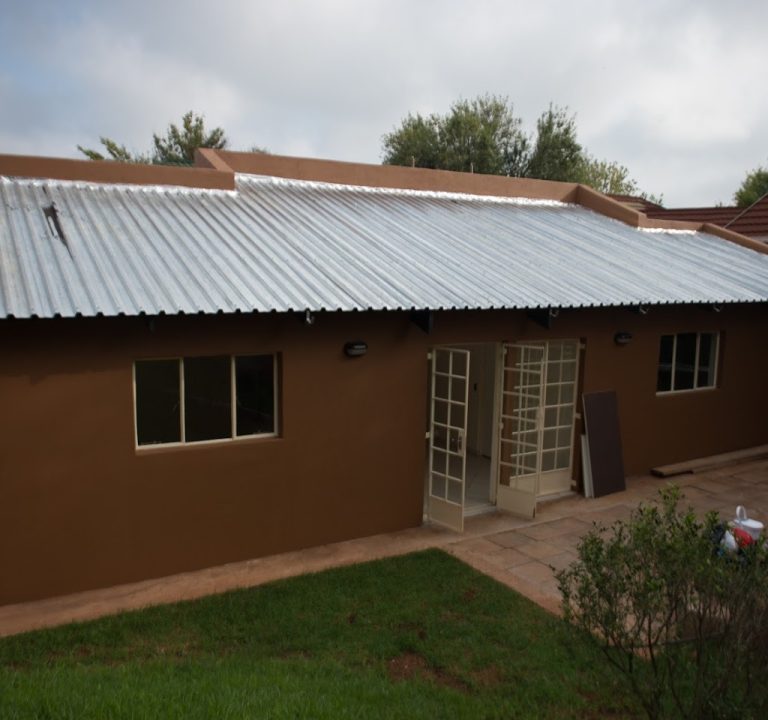
In planning your stay, a practical approach helps you balance comfort with discovery. An example of a well-placed base is Sasha guest house, which sits in a position that can facilitate easy access to central Johannesburg’s highlights while offering typical guest-house comforts. Always verify website details for current facilities and any seasonal specials, and keep a flexible mindset so you can adjust plans as you explore.