Accommodation and Travel Tips for a Stay in Johannesburg, Gauteng
Johannesburg, or Jo’burg as it is affectionately known, blends urban energy with rich history and a growing scene of culture, cuisine, and convenient lodging. Whether you are travelling with friends, family, or colleagues, the city offers a range of accommodation from purpose-built group properties to stylish boutique stays. Planning ahead helps you secure a comfortable base and makes it easier to explore the surrounding neighbourhoods, markets, museums and leafy parks.
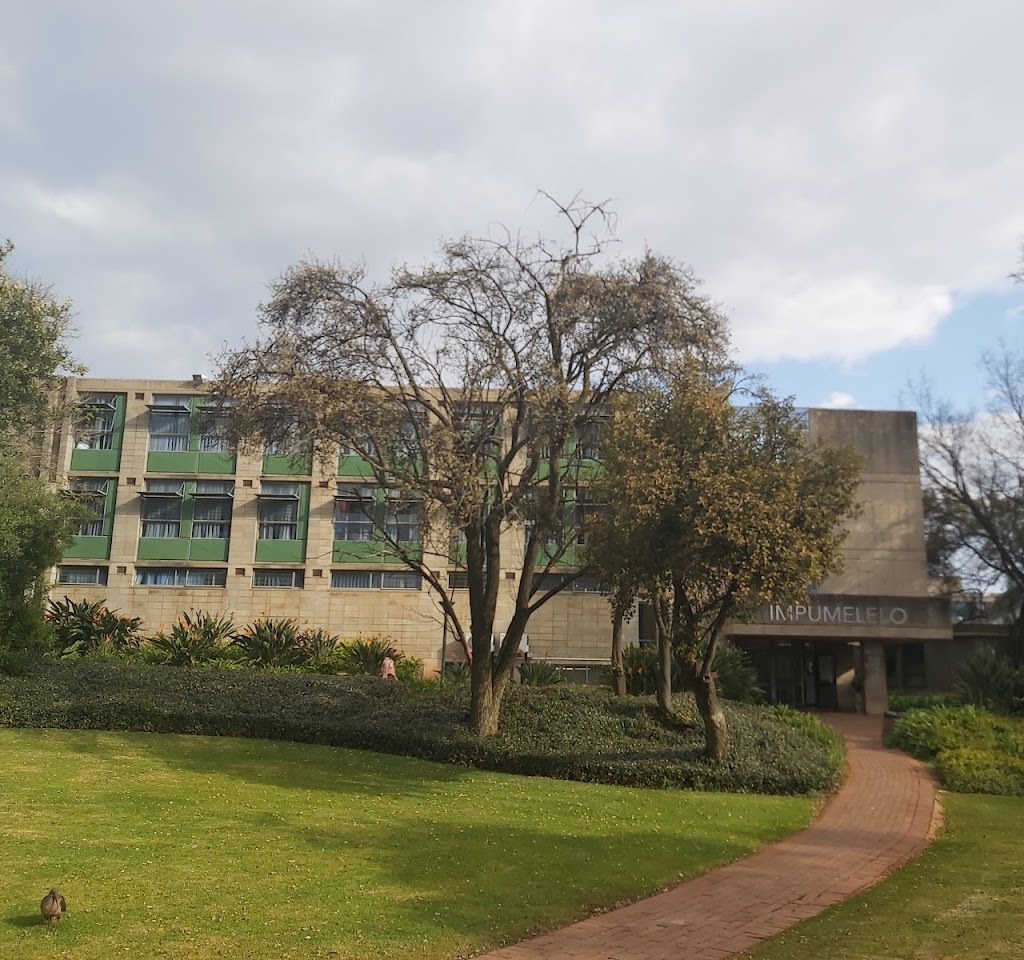
When choosing where to stay, consider three core factors: location, transport access and the type of experience you want. The central northern suburbs offer easy links to business hubs and modern dining, while areas closer to the city centre put you near markets, street art and a vibrant nightlife. For those visiting on business or with a larger travel party, group-focused options such as guesthouses or dedicated residences can provide value, privacy, and shared communal spaces. Impumelelo Ladies Residence, listed as a group accommodation option, illustrates how purpose-built or well-equipped properties can be ideal for coordinated trips or extended stays with a crew, offering common areas and affordable room configurations.
In terms of areas to consider, here are a few popular options:
- City centre and southern surroundings for easy access to museums, theatres and live music venues, with a mix of historic and newly developed spaces.
- Southern and north-eastern suburbs, which tend to offer a calmer residential feel, larger rooms or self-catering facilities, and convenient access to highways.
- Sandton and Rosebank for shopping, business districts, high-end dining, and well-connected transport links.
- Maboneng Precinct and Newtown for hip, artsy stays close to galleries, street food, and urban culture.
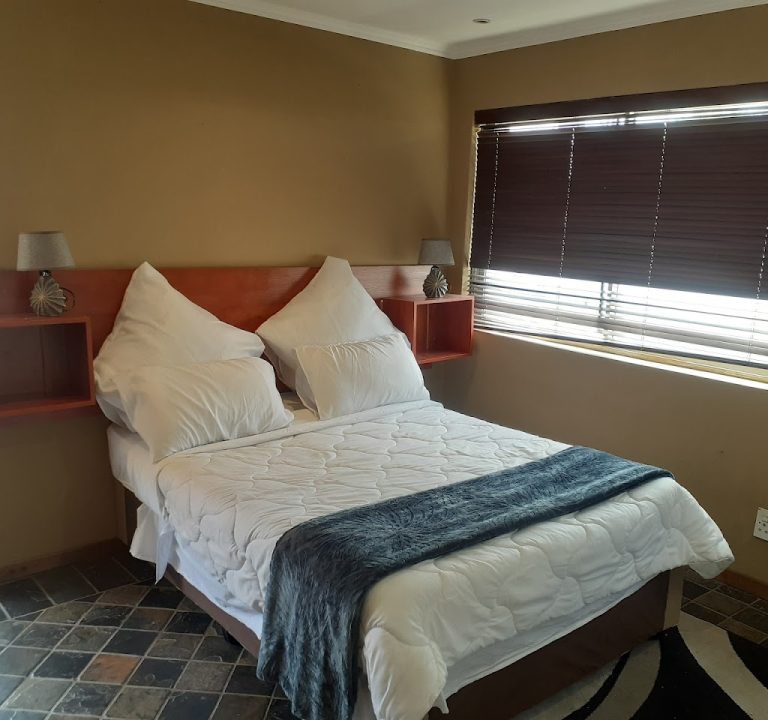
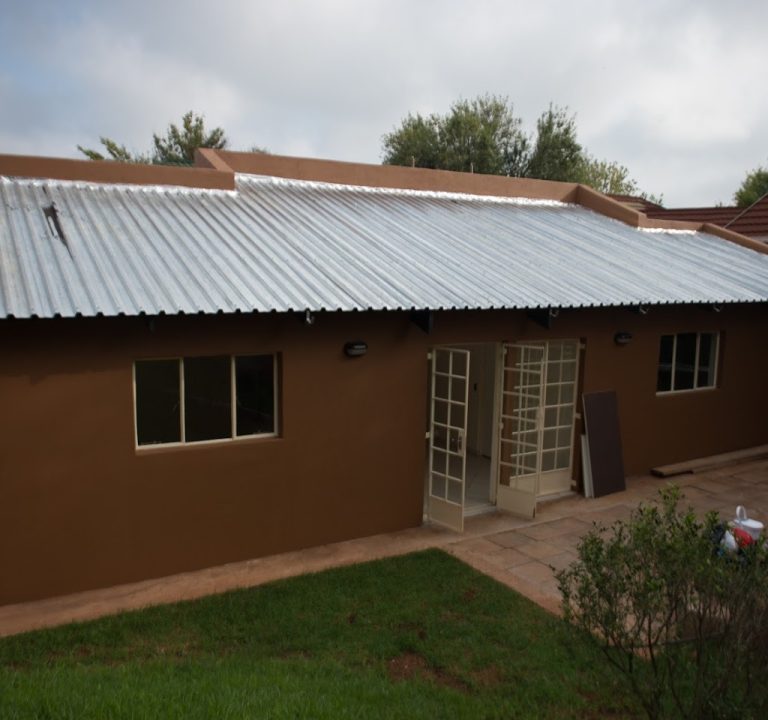
What to look for when booking: ensure the listing clearly states the size of the property, the number of bedrooms, and whether there are shared spaces. Review photos for kitchen facilities, laundry options and parking if needed. Check the neighbourhood safety notes and the proximity to transport hubs, such as rail or bus links, and pay attention to visitor reviews about noise, check-in processes, and the responsiveness of the host or management team. For group stays, confirm how many people can be accommodated and whether extra beds or cots are available. Consider whether a property offers self-catering facilities, a communal lounge, a dining area, or outdoor space, as these can enhance a group stay considerably.
Typical amenities you might expect in Johannesburg accommodations include reliable Wi‑Fi, air conditioning or fans for warmer months, clean and well-appointed bathrooms, and secure access. Some properties provide airport transfers or shuttle connections to major hubs, while others rely on nearby public transport or rideshare options. If you rely on driving, look for on-site parking or safe street parking. For longer stays, a well-equipped kitchenette or a full kitchen can save money and offer flexibility for meals after exploring late into the evening.
Transport and getting around the city are straightforward, but planning helps. Gauteng’s road network is extensive, and rideshare services are widely available in most parts of Johannesburg. For those who prefer not to drive, choosing a central base with easy access to bus routes, metro links, or car-sharing options can simplify daily explorations. In addition, many neighbourhoods feature pedestrian-friendly streets with cafés and markets that are enjoyable to explore on foot or by bicycle, weather permitting.
The best time to visit Johannesburg is generally during the drier, cooler months from April to September, when outdoor days are pleasant and wildlife or outdoor attractions are more enjoyable. However, the city’s indoor cultural venues—museums, theatres, galleries and markets—are available year-round. If you are planning a driving itinerary to nearby attractions outside the city, such as nature reserves or scenic viewpoints, consider the longer daylight hours of the southern hemisphere spring or autumn for comfortable day trips.
Practical tips to help you plan and enjoy your stay:
- Book early for group stays and confirm bed configurations, kitchen access, and communal spaces in writing.
- Ask about security features, such as access control, CCTV, and well-lit parking areas.
- Check for luggage storage options if you arrive before check‑in or have a late departure.
- Consider travel insurance and a flexible booking policy in case plans change.
- Explore a mix of dining and casual eateries to experience South African flavours while staying within a comfortable budget.
- Plan a balanced itinerary that includes both indoor cultural venues and outdoor markets or parks to enjoy Johannesburg’s climate and vibe.
When it comes to experiences, Johannesburg offers a broad palette: museums that speak to the city’s complex history, markets where artisans and small businesses showcase crafts, and neighbourhoods where you can sample diverse cuisines. After a day of exploring, you might unwind at a relaxed restaurant district or a casual bistro, then return to your base to recharge for another day of discovery. For more information on official tourism resources and destination ideas, you can visit local tourism sites or the city’s official pages online.