Exploring Johannesburg: where to stay and what to do
Johannesburg, or Jo’burg as it is affectionately known, offers a dynamic mix of urban culture, history, and modern comforts. When planning a stay in Gauteng’s largest city, the choice of neighbourhood can shape your experience as much as the property you book. From the leafy security of Sandton to the creative buzz of Braamfontein and the lively markets of Rosebank, there are options to suit different itineraries, budgets and travel styles. For first‑time visitors, a centrally located guest house or boutique hotel often provides an ideal base with easy access to transport links and a range of dining and cultural experiences.
Accommodation in Johannesburg tends to balance comfort with practicality. Expect well‑appointed rooms, reliable Wi‑Fi, and thoughtful extras such as breakfast, secure parking, and 24‑hour reception at many guest houses and lodges. In business districts, you’ll find contemporary stays geared towards convenience with quick access to corporate hubs, while in more residential neighbourhoods you can enjoy a quieter atmosphere with terraces, leafy streets, and a neighbourhood café culture. If you’re seeking something with a distinctly local flavour, consider guest houses or small boutique hotels in areas known for their creative energy and diverse dining scenes.
Areas to consider include:
- Sandton: A polished hub of shopping, business and high‑end hotels. Easy to reach by car or Gautrain, with numerous dining options and parks nearby.
- Rosebank and Melrose: A mix of modern lodgings and guest houses, close to markets and convenient transport routes, with a vibrant brunch and casual dining scene.
- Braamfontein and Newtown: Central for culture and nightlife, with walkable access to theatres, museums, street art and student energy. Accommodation tends to be stylish and compact, suited to urban explorers.
- Maboneng and JEFF: For a boutique, artsy stay close to creative spaces, galleries and urban eateries—great for short breaks and weekend getaways.
- Soweto and surrounding areas: Offers a more expansive experience with guided tours and community projects; some guest houses provide a home‑away‑from‑home atmosphere with personalised touches.
When booking, a few practical considerations help ensure a stress‑free stay. Look for properties with secure parking if you’ll be driving, or easy access to public transport if you plan to rely on rail or bus services. Check the proximity to your planned activities or business meetings and whether the property offers a shuttle service or easy Uber or taxi availability. Read recent guest reviews to gauge consistency in cleanliness, breakfast quality, and staff attentiveness. If you have mobility requirements, verify elevator access and room layouts to avoid surprises on arrival.
Typical amenities to expect include a well‑equipped en suite bathroom, air conditioning or ceiling fans for Jo’burg’s warm summers, reliable Wi‑Fi, a comfortable workspace, and a generous breakfast offering. Many guest houses and lodges provide communal spaces such as lounges, verandas or gardens, which are ideal for relaxing after a day of touring. A pool or outdoor area is a welcome bonus in hot weather. If you value culinary variety, look for properties with on‑site dining or close proximity to a selection of eateries—from casual bistros to more formal restaurants.
Transport within Johannesburg is straightforward once you understand the options. Driving gives you the most flexibility, but the city’s rail and bus networks can be efficient for certain routes. The Gautrain offers a fast connection to Pretoria and the airport from central Johannesburg, while Uber and other ride‑hailing services are widely used for short hops around the city. If you prefer a guided approach, many accommodation providers can arrange day tours or recommend reputable local guides to explore highlights safely and efficiently.
The best time to visit Johannesburg is generally during the mild shoulder seasons, from late autumn to early winter and from spring into early summer, when temperatures are comfortable and rainfall is relatively low. However, the city’s attractions—and the markets, galleries, and parks—are enjoyable year‑round. If you’re visiting during South Africa’s festive periods or school holidays, anticipate busier streets and higher demand for accommodation, and plan and book ahead to secure preferred options.
Major attractions unfold around the city’s rich history and contemporary culture. You can learn about the country’s past at museums and memorial sites, explore vibrant districts known for their street art and food culture, and take in panoramic city views from purpose‑built viewpoints. Dining in Johannesburg ranges from bustling food markets to refined restaurants, with options to suit every budget and mood. In addition to well‑established favourites, dial‑in to local guides or guest‑house hosts for recommendations on hidden gems and seasonal openings.
Practical planning tips:
- Book with a clear cancellation policy in case your plans change.
- Confirm airport transfer or access to reliable transport if arriving late.
- Check for secure parking, particularly in areas where street parking is limited.
- Pack adaptable layers to accommodate changing weather from day to night.
- Explore a mix of neighbourhoods to balance convenience with cultural experience.
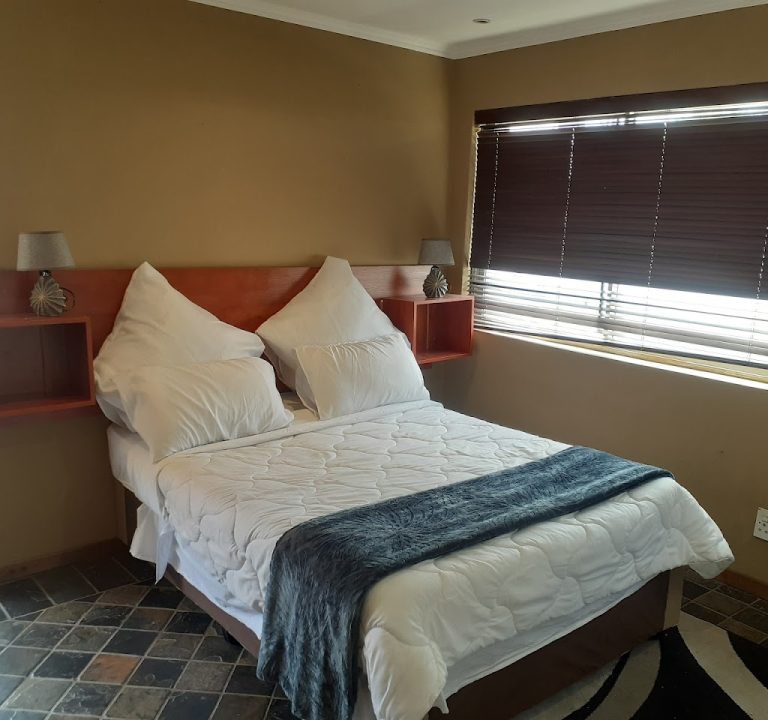
To learn more about Johannesburg’s accommodation options and visitor information, you may wish to browse national or local tourism resources and the websites of individual guest houses and hotels. For a sense of the city’s hospitality landscape, visit general guides and tourism portals that highlight an array of stays, from guest houses to boutique lodges. FAM GUEST ROOMS exemplifies the type of warm, intimate stay that can be a comfortable home base while exploring Gauteng’s capital city.