Johannesburg, Gauteng: Accommodation, Attractions and Planning Your Stay
Johannesburg, often simply called Jo’burg or Joburg, is a vibrant gateway to Gauteng’s culture, history and modern city life. When planning a stay, travellers are spoilt for choice for accommodation that spans chic city boutique hotels, stylish guesthouses, practical family-friendly lodges and group-focused options in nearby neighbourhoods. The key is to align your choice with the kind of experience you want—central access to urban attractions, a calmer base for day trips, or convenient space for groups on a shared itinerary.
Areas to consider include the northern suburbs for a polished, business-friendly vibe with easy access to shopping centres and corporate hubs; the central and inner-city districts for a creative, urban scene with galleries, cafés and nightlife; and the older, leafy southern suburbs or nearby townships that offer cultural insights and a different pace. For a combination of modern comforts and proximity to museums, theatres and restaurants, consider staying in the nodes around Braamfontein, Rosebank and Sandton. For a more authentic, community-minded experience, some travellers opt for guesthouses or group accommodation in Soweto or other townships, often with guided experiences that add depth to the visit.
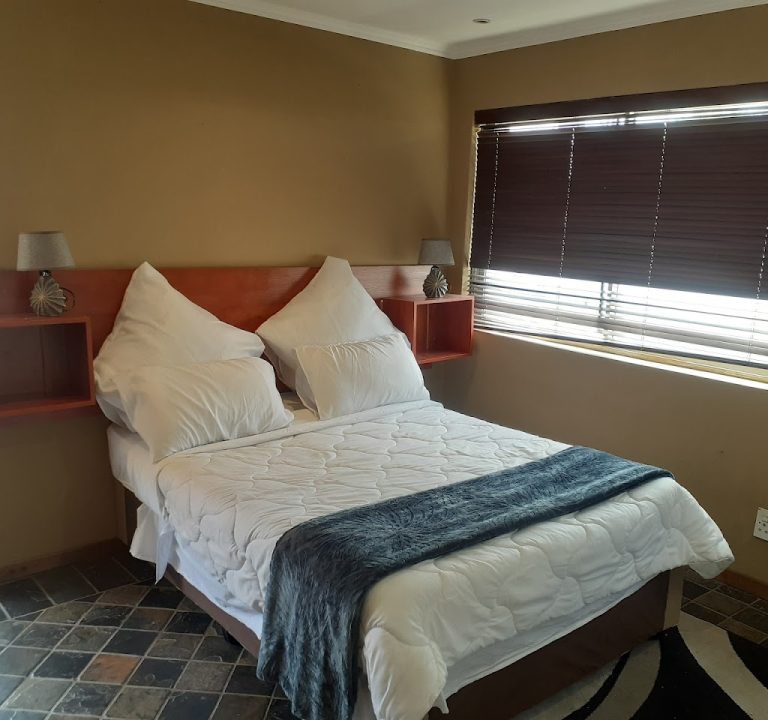
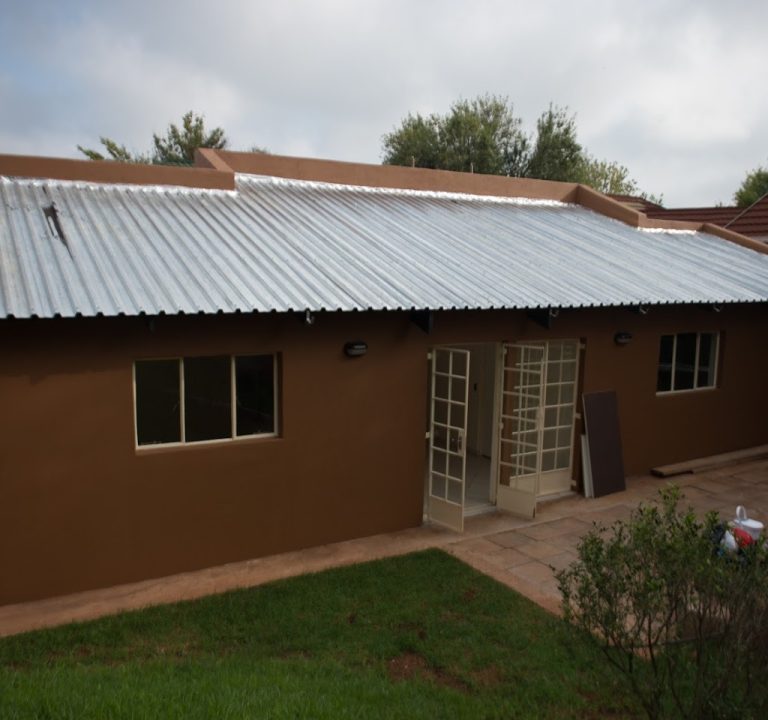
Typical amenities you might expect to find include free Wi‑Fi, private or shared bathrooms, breakfast options, secure parking, and reception services. For groups, look for properties marketed as family or group accommodation with multiple bedrooms, shared common areas, event or meeting spaces, and convenient dining setups. If you’re travelling with children, check for family rooms, babysitting services or easy access to parks and open spaces nearby. For longer stays, consider self-catering apartments or lodges with kitchen facilities, which can offer flexibility and cost efficiency.
Transport is an important planning factor. Johannesburg is well connected by road, and the Gautrain offers fast rail links to Pretoria and the city centre from the northern suburbs. In the city itself, rideshare services are common and widely used, while some accommodation options provide shuttle services or on-site parking. If you’re renting a car, you’ll gain easy access to attractions across the region, including the booming urban-core precincts and the more relaxed, leafy suburbs. When using public transport, plan for peak times, and keep valuables secure, as in any major city.
Best time to visit Johannesburg is influenced by weather and events. The city enjoys warm to hot summers with afternoon thunderstorms, and cool, dry winters. Summer can be lively with outdoor markets and events, but be prepared for sudden showers. Winter days are typically mild and pleasant for exploring museums and architecture, with cooler evenings that make a cosy dining or nightlife outing appealing. If you plan outdoor experiences, early mornings or late afternoons tend to be more comfortable. Always check the local forecasts and plan indoor alternatives for extreme weather days.
When planning your itinerary, balance towered city highlights with more intimate experiences. In terms of attractions, many visitors enjoy learning about South Africa’s history and culture at national museums, historic sites and contemporary art districts. The city’s revival in certain districts offers galleries, street art, and markets that reveal a contemporary, creative side of Johannesburg. For dining, you’ll find a spectrum from traditional South African menus to modern fusion concepts, with several areas offering vibrant restaurant scenes in walkable clusters. While I won’t name specific venues here, look for places that emphasise local produce, seasonal menus and casual, welcoming atmospheres where staff can offer recommendations based on your tastes.
Enjoying a stay in Johannesburg can be greatly enhanced by choosing accommodation that matches your daily rhythm. If you’re planning a group trip, you may seek properties with multiple bedrooms, common rooms for gatherings, and flexible dining or kitchen arrangements. Group accommodation can provide a practical base for city explorations, day trips to nearby parks or nature reserves, and guided cultural experiences. When booking, consider proximity to your preferred districts, access to transport options, and the ability to coordinate welcoming spaces for all travellers in the group.
Practical tips for a smooth visit:
- Check security and access features, such as controlled entry, well-lit surroundings and reliable on-site staff.
- Ask about electricity contingency plans or generators, as load shedding can affect power supply in some areas.
- Confirm Wi‑Fi reliability and workspace areas if you plan to work remotely during your stay.
- Look for hosts or properties that offer clear guidance on neighbourhood safety, transport options and nearby conveniences.
- Plan a balanced itinerary with a mix of cultural experiences, parks or gardens, and time to simply enjoy a café culture or a relaxed meal.
If you’d like to explore further, official tourism resources and city information can help refine your plans. The city’s visitor information pages and regional tourism sites provide area highlights, practical travel tips, and suggested itineraries. These resources can help you craft a stay that suits a short city break, a longer cultural discovery, or a group-centric sojourn in Gauteng. For more background and practical inspiration, you may wish to consult the City of Johannesburg’s site and regional tourism guides.