Sabie, Mpumalanga: Accommodation, Attractions and Practical Planning Tips
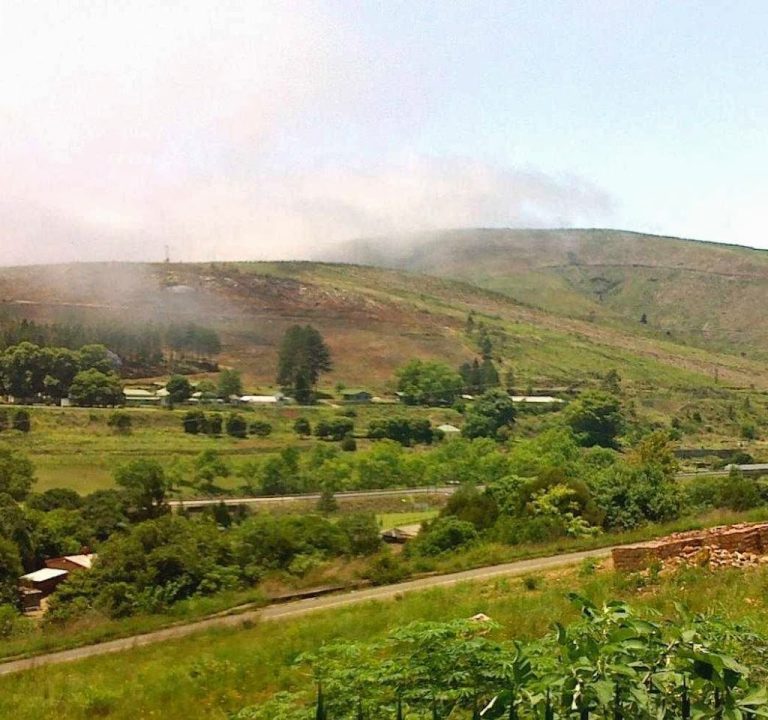
Nestled in the forested hills of Mpumalanga, Sabie is a gateway town that blends natural beauty with comfortable places to rest. Whether you prefer a cosy self-catering lodge, a boutique guesthouse, or a family-friendly chalet, Sabie offers a range of stays set against a backdrop of pine forests, waterfalls and winding rivers. Planning a visit from the town centre to the surrounding landscapes helps you make the most of what the region has to offer while ensuring a relaxed pace for a memorable break.
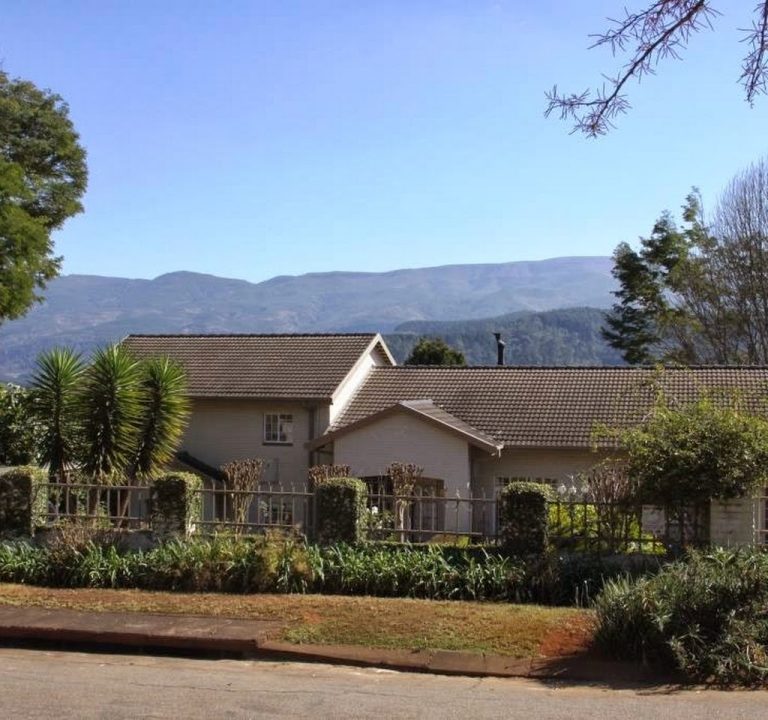
Areas to consider when choosing where to stay include the town centre, where easy access to shops, cafés and starting points for day trips can be convenient, and the outskirts or forest-edge routes that offer more solitude and direct access to nature. The town itself is compact and walkable, but to reach some of the more dramatic viewpoints, hiking trails, and scenic drives you’ll likely want a vehicle. If you prefer a quieter backdrop, look for lodges or guesthouses perched on the edge of the Sabie valley or within short drives to forest reserves and waterfall circuits.
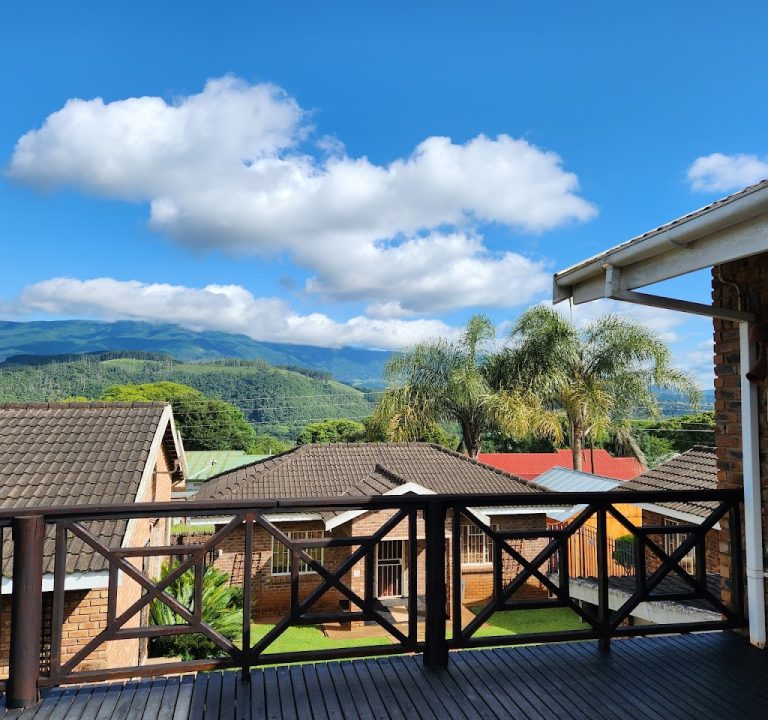
Typical accommodation features you may come across include self-catering kitchens or kitchenettes, ensuite bathrooms, televisions in rooms, and outside seating where you can enjoy morning birdsong or evening skies. Many properties in Sabie provide complimentary Wi-Fi, secure parking, and, depending on the season, access to outdoor spaces such as decks or verandas with forest views. Some lodges offer fireplaces for cooler evenings and heated pools or plunge pools in summer. When comparing options, consider whether you’d prefer daily housekeeping, 24-hour reception, or self-check-in arrangements for flexibility when you arrive late or depart early.
Transport in Sabie is straightforward for most visitors. A car is the most practical way to explore the surrounding scenery and to access the waterfalls, forest trails, and viewpoints that characterise the Panorama Route. If you are relying on public transport, plan your connections carefully and allow extra time for transfer between points of interest. Local organised tours are a good option if you want to cover multiple attractions in a day without worrying about navigation. Check whether your chosen accommodation offers shuttle services or can arrange guided experiences to nearby natural wonders.
The best time to visit Sabie is guided by weather and how you want to spend your days. Spring and autumn bring mild temperatures and comfortable conditions for hiking and forest walks. Summer can be lush and vibrant, though afternoons may bring rain showers. Winter is crisp and clear, with excellent visibility for panoramic viewpoints. Pack accordingly: sturdy walking shoes, a lightweight rain shell, sun protection, and layers for variable temperatures. If you plan to drive the longer Panoramas or forest roads, keep an eye on local advisories and road conditions, especially during the rainy season.
When booking, look for practical details that enhance your stay. Confirm the cancellation policy and whether bed configurations can accommodate your party, including children. Check for accessibility features if needed, such as ground-floor rooms or ramps. Inquire about on-site facilities that support longer visits, such as laundry services, kitchen access, or luggage storage. If you anticipate early starts to chase sunrise light on waterfalls or viewpoints, a property with breakfast options or a nearby café can be convenient. Some lodges showcase their local charm through interiors that celebrate wood, natural textures, and panoramic views—these touches can add to the sense of place during your stay.
Sabie acts as a launchpad for a variety of experiences beyond lodging. Waterfalls and forest trails are major draws, offering family-friendly strolls and more adventurous treks through indigenous forests and scenic canyons. Wildlife encounters are possible in nearby reserves, while day trips along the Panorama Route reveal dramatic vistas, craggy cliffs, and sweeping valleys. For those who enjoy a lighter pace, tranquil riverside walks and garden surroundings provide restful moments between excursions. Dining in Sabie tends to emphasise wholesome, locally sourced ingredients with a range of casual eateries, coffee shops and informal bistros where you can refuel after a day outdoors. Many establishments prioritise seasonal produce, comfort dishes and plenty of options for travellers seeking meat, fish, or vegetarian meals.
Practical tips to optimise your stay:
- Book accommodation with easy access to your planned activities, but also allow for downtime at your lodging—this helps you balance busy days with restful evenings.
- Pack for changeable weather and outdoor activities. Bring a breathable rain jacket, sturdy walking shoes and a compact daypack for hikes or waterfalls visits.
- Arrange transport in advance if you are relying on tours or transfers between remote viewpoints and lodges.
- Check fibre or Wi‑Fi access if you need to work remotely or stream content during your stay.
- Respect nature by staying on marked paths, following safety guidelines at waterfalls and parks, and carrying out any waste you generate.
For more information on Sabie and the surrounding Mpumalanga region, you can visit regional tourism sites for practical visitor information, sample itineraries and links to accommodation providers. A well-chosen lodge or guesthouse can become a relaxing base while you explore the forests, waterfalls, and scenic drives that make Sabie special. Whether you seek a romantic forest escape, a family-friendly break, or a peaceful retreat in nature, Sabie provides a thoughtful balance of comfort and adventure.